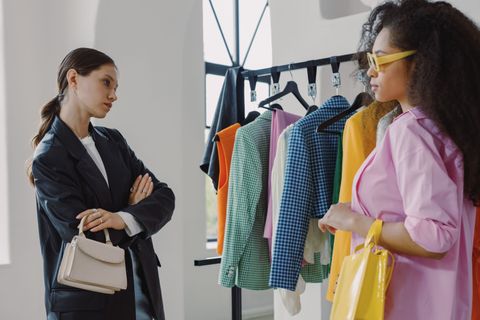
Women’s Fashion Trends Explained: Explore Popular Outfits, Styling Basics, and Essential Tips
Women's fashion continues to evolve through changing lifestyles, cultural influences, creative designs, and personal preferences. Clothing is not only a part of everyday life but also a way for individuals to express their personality, creativity, and confidence. From comfortable casual outfits to elegant formal clothing, modern women's fashion includes a wide variety of styles for different occasions.
In 2026, women's fashion trends reflect a combination of comfort, individuality, practical designs, and timeless clothing choices. Many people are exploring versatile wardrobes that include everyday essentials, business casual outfits, contemporary ethnic wear, designer dresses, and sustainable clothing options.
Fashion preferences also vary according to climate, culture, age, professional requirements, and personal taste. Some women prefer minimal clothing styles, while others enjoy bold colours, detailed patterns, and statement accessories.
Understanding different clothing categories, styling basics, fabric choices, and emerging trends can help women develop a wardrobe that reflects their individual preferences.
Importance of Understanding Women's Fashion Trends
Fashion trends influence clothing designs, colour combinations, fabric preferences, and everyday styling choices. Understanding these trends can help individuals make more informed wardrobe decisions.
Personal expression: Clothing provides an opportunity to communicate personality and individual preferences. Colours, patterns, silhouettes, and accessories can create different visual styles.
Everyday comfort: Modern clothing trends increasingly include comfortable fabrics, practical designs, and flexible silhouettes suitable for daily activities.
Wardrobe versatility: Understanding popular styles can help individuals select clothing pieces that work across multiple occasions.
Professional appearance: Business casual and formal clothing styles help create appropriate outfits for workplaces, meetings, and professional environments.
Cultural representation: Traditional clothing and contemporary ethnic wear reflect cultural influences while allowing individuals to explore modern styling combinations.
Fashion awareness: Following fashion developments helps individuals understand changing design preferences, seasonal colours, and emerging clothing styles.
Popular Women's Fashion Trends in 2026
Women's fashion in 2026 includes a mixture of classic wardrobe essentials, contemporary silhouettes, relaxed clothing, and expressive designs. The following trends represent broad fashion directions rather than rules that everyone needs to follow.
1. Minimalist Clothing Styles
Minimalist fashion focuses on simplicity, clean silhouettes, neutral colours, and versatile clothing pieces. This style is suitable for individuals who prefer an organised wardrobe with fewer complicated combinations.
Common minimalist clothing options include:
White and black shirts.
Straight-fit trousers.
Neutral-coloured dresses.
Simple skirts.
Classic blazers.
Plain tops and comfortable trousers.
Beige, grey, navy, cream, and black are frequently used in minimalist wardrobes because they can be combined in different ways.
2. Oversized and Relaxed Outfits
Oversized clothing remains an important part of contemporary casual fashion. Relaxed silhouettes provide a comfortable appearance and allow different styling combinations.
Popular oversized clothing options include:
Loose-fit shirts.
Oversized blazers.
Wide-leg trousers.
Relaxed denim jackets.
Loose sweaters.
Comfortable oversized T-shirts.
These pieces can be combined with fitted trousers, straight-leg jeans, or simple accessories to create balanced outfits.
3. Sustainable Fashion
Sustainable fashion focuses on clothing materials, production methods, garment durability, and responsible consumption.
Some commonly discussed sustainable fashion practices include:
Choosing durable clothing.
Reusing existing wardrobe pieces.
Exploring recycled fabrics.
Supporting transparent manufacturing practices.
Repairing garments instead of immediately replacing them.
Selecting versatile designs that remain useful across seasons.
Sustainable clothing brands may use organic cotton, recycled polyester, linen, or other materials depending on their production approach. However, the environmental impact of a garment depends on several factors, including manufacturing, transportation, durability, and disposal.
4. Statement Dresses
Statement dresses feature distinctive silhouettes, patterns, textures, or design details. They are commonly selected for celebrations, formal gatherings, social occasions, and special events.
Popular design elements include:
Pleated skirts.
Floral patterns.
Structured shoulders.
Asymmetrical necklines.
Draped silhouettes.
Embroidered details.
Women's designer dresses are available in different lengths, fabrics, and styles, making it possible to explore options for different occasions.
5. Contemporary Ethnic Wear
Women's ethnic wear trends combine traditional clothing elements with modern silhouettes and styling techniques.
Popular options include:
Anarkali suits.
Straight-cut kurtas.
Contemporary sarees.
Sharara sets.
Indo-western dresses.
Embroidered lehengas.
Palazzo suit combinations.
Modern ethnic wear often includes lighter fabrics, updated cuts, subtle embroidery, and contemporary colour combinations. These designs are commonly seen at weddings, festivals, family gatherings, and cultural celebrations.
Different Categories of Women's Clothing
Understanding clothing categories can make wardrobe planning easier. Each category serves different occasions, comfort requirements, and personal styling preferences.
1. Women's Casual Wear
Popular casual clothing options include:
Jeans with T-shirts.
Cotton tops.
Casual dresses.
Relaxed trousers.
Denim jackets.
Shirts with skirts.
Comfortable co-ord sets.
Women's casual wear focuses on practicality and comfort. Cotton, denim, linen, and breathable blends are commonly used for everyday clothing.
2. Business Casual Outfits for Women
Business casual clothing combines professional appearance with comfortable styling. It is commonly used in workplaces where highly formal clothing is not required every day.
Some popular combinations include:
Tailored trousers with shirts.
Blazers with straight-leg pants.
Knee-length skirts with simple blouses.
Structured dresses.
Neutral-coloured tops with formal trousers.
Comfortable footwear with coordinated outfits.
Colours such as navy, black, white, grey, beige, and brown are commonly used in professional wardrobes.
The appropriate business casual style depends on workplace culture, dress requirements, and the nature of professional activities.
3. Luxury Women's Fashion
Luxury women's fashion is associated with specialised craftsmanship, distinctive designs, premium materials, and established fashion houses.
Common features include:
Detailed tailoring.
Carefully selected fabrics.
Distinctive silhouettes.
Intricate embroidery.
Structured garments.
Recognisable design aesthetics.
Luxury fashion brands for women present different interpretations of formalwear, casual clothing, accessories, and seasonal collections. However, luxury fashion is not limited to expensive-looking designs. Personal style, fit, and clothing quality are also important considerations.
4. Women's Designer Clothes
Designer clothes for women include garments developed through distinctive creative concepts, fabric selection, construction methods, and design details.
Common categories include:
Designer dresses.
Tailored jackets.
Contemporary sarees.
Evening gowns.
Formal suits.
Fashion-forward co-ord sets.
Statement skirts.
Designer clothing may reflect seasonal fashion directions, cultural influences, and individual creative approaches.
5. Women's Ethnic Wear
Ethnic clothing remains an important part of women's fashion, particularly in countries with diverse cultural traditions.
In India, common ethnic clothing categories include sarees, salwar kameez, kurtas, lehengas, and anarkali suits.
Different regions have their own traditional fabrics, embroidery techniques, weaving patterns, and clothing styles. Contemporary designs often combine these traditional elements with modern cuts and practical silhouettes.
Essential Styling Basics for Women
Good styling does not always require complicated clothing combinations. Understanding a few basic principles can help create coordinated and comfortable outfits.
1. Understand Your Clothing Fit
Fit plays an important role in how an outfit looks and feels. Clothing that is too tight or excessively loose may affect comfort and movement.
Consider the following points:
Check shoulder alignment in shirts and jackets.
Ensure trousers allow comfortable movement.
Select dresses according to preferred silhouettes.
Pay attention to sleeve and garment lengths.
Consider fabric flexibility and structure.
Different silhouettes suit different preferences, so personal comfort should remain a priority.
2. Choose Suitable Colour Combinations
Colour coordination can make outfits look more balanced. Some combinations create a classic appearance, while others provide a more expressive look.
Examples include:
Colour Combination | General Style |
|---|---|
Black and white | Classic and minimal |
Beige and brown | Warm and neutral |
Navy and cream | Refined and versatile |
Pink and white | Soft and fresh |
Green and beige | Natural and balanced |
Burgundy and black | Bold and elegant |
The most suitable colour combination depends on personal preference, occasion, season, and the overall outfit design.
3. Select Appropriate Fabrics
Fabric selection affects comfort, appearance, breathability, and garment maintenance.
Fabric | Common Characteristics |
|---|---|
Cotton | Breathable and comfortable |
Linen | Lightweight and suitable for warm weather |
Silk | Smooth texture and elegant appearance |
Wool | Provides warmth |
Denim | Durable and structured |
Chiffon | Lightweight and flowing |
Satin | Smooth surface with a subtle shine |
Polyester | Available in different textures and constructions |
When choosing clothing, consider the climate, intended use, fabric composition, and care instructions.
4. Use Accessories Thoughtfully
Accessories can add visual interest to simple outfits. The right combination can complement clothing without making the overall appearance complicated.
Common accessories include:
Watches.
Handbags.
Belts.
Earrings.
Necklaces.
Scarves.
Sunglasses.
Hair accessories.
For everyday outfits, simple accessories may be sufficient. For celebrations and formal events, statement jewellery and coordinated accessories can create a more distinctive appearance.
5. Consider the Occasion
Different situations may require different clothing choices.
Casual outings may involve jeans, tops, and comfortable dresses. Professional environments may require tailored trousers, shirts, blazers, or structured dresses. Weddings and cultural celebrations may involve sarees, lehengas, and embroidered ethnic outfits.
Selecting clothing according to the occasion helps maintain an appropriate and comfortable appearance.
Women's Fashion Trends by Season
Seasonal changes influence fabric selection, colours, layering, and clothing silhouettes.
Summer Fashion
Popular summer clothing options:
Cotton dresses.
Linen shirts.
Lightweight trousers.
Floral-print tops.
Breathable kurtas.
Relaxed skirts.
Lightweight and breathable fabrics are commonly preferred during warmer months.
Winter Fashion
Common winter wardrobe choices:
Wool sweaters.
Long coats.
Knit dresses.
Layered shirts.
Warm trousers.
Jackets and cardigans.
Layering allows individuals to adjust clothing according to temperature while creating different outfit combinations.
Monsoon Fashion
Practical monsoon clothing options:
Lightweight synthetic-blend garments.
Comfortable trousers.
Easy-to-dry clothing.
Simple dresses.
Breathable tops.
Practical footwear.
During rainy weather, fabric drying time, comfort, and easy maintenance can be important considerations.
Online Clothing Shopping: Important Things to Consider
Women's clothing online provides access to different clothing categories, sizes, designs, and fashion collections. However, selecting garments through online platforms requires attention to product information.
Check size charts: Clothing sizes can vary between brands. Compare garment measurements rather than relying only on standard size labels.
Read fabric details: Review material composition, lining information, and washing instructions.
Examine product descriptions: Check garment length, fit type, sleeve design, neckline, and other construction details.
Review product photographs: Different images can help explain colour, texture, and garment structure. Screen settings may affect how colours appear.
Understand return policies: Review the applicable return, exchange, and refund conditions before completing an order.
Compare design details: Look at stitching, buttons, zippers, embroidery, and other visible construction features.
These considerations can make online clothing shopping more informed and help reduce confusion about product fit and appearance.
Building a Versatile Women's Wardrobe
A versatile wardrobe includes clothing pieces that can be combined in different ways. It does not require following every fashion trend or maintaining a large collection.
Some useful wardrobe essentials include:
A classic white shirt.
Comfortable straight-leg jeans.
Neutral-coloured trousers.
A versatile black dress.
A well-fitted blazer.
Basic T-shirts.
A comfortable everyday kurta.
A simple skirt.
A lightweight cardigan.
Comfortable footwear.
These pieces can be used in multiple combinations depending on the occasion and personal styling preferences.
For example, a white shirt can be paired with denim for a casual appearance or tailored trousers for a professional setting. A neutral blazer can complement dresses, skirts, and trousers.
The objective is to create a wardrobe where individual pieces work together while reflecting personal preferences.
Recent Developments in Women's Fashion (2025–2026)
Fashion trends continue to change through creative design, material innovation, cultural influences, and evolving lifestyle preferences. Several broad developments remain relevant in 2025–2026.
Relaxed tailoring: Blazers, wide-leg trousers, and structured but comfortable clothing continue to influence contemporary wardrobe designs.
Versatile everyday clothing: Many collections focus on garments that can transition between casual and semi-formal occasions.
Modern ethnic silhouettes: Traditional Indian garments are increasingly presented with contemporary cuts, lighter construction, and updated styling combinations.
Expressive colour palettes: Neutral colours remain popular, while brighter shades and distinctive colour combinations provide additional styling choices.
Sustainable material exploration: Recycled textiles, organic fibres, and material traceability continue to receive attention across parts of the fashion industry.
Personalised fashion preferences: Individual styling, customisation, and clothing choices based on personal identity remain important influences.
Comfort-focused designs: Breathable fabrics, flexible silhouettes, and relaxed fits continue to shape everyday clothing preferences.
These developments represent general fashion directions. Actual trends can differ between regions, designers, seasons, and individual communities.
Laws and Policies Related to the Fashion Industry in India
The Indian fashion and textile industry operates within several legal and regulatory frameworks. These rules relate to consumer rights, product information, textiles, manufacturing, and environmental responsibilities.
Consumer Protection Act, 2019: This legislation provides a framework for consumer rights and addresses issues such as misleading advertisements, unfair trade practices, and consumer grievances.
Consumer Protection (E-Commerce) Rules, 2020: These rules establish obligations for e-commerce entities, including requirements relating to product information, grievance handling, and consumer protection.
Legal Metrology Act, 2009: Applicable packaged commodity requirements may include declarations such as manufacturer details, country of origin, and other prescribed information.
Textile labelling and product information: Garment labels and descriptions can provide details about fibre composition, care instructions, size, and manufacturing information. Applicable requirements depend on the product category and relevant regulations.
Environmental regulations: Certain manufacturing activities may be subject to environmental laws and pollution-control requirements. These frameworks are relevant to textile production, processing, and waste management.
Consumers should review product descriptions, labels, and applicable policies to understand garment characteristics and their rights.
Frequently Asked Questions (FAQs)
1. What are the popular women's fashion trends in 2026?
Popular fashion directions include minimalist clothing, oversized silhouettes, relaxed tailoring, contemporary ethnic wear, versatile dresses, and sustainable fashion practices. Individual trends vary across regions and seasons.
2. What are the essential clothing pieces for a women's wardrobe?
Common wardrobe essentials include basic T-shirts, white shirts, jeans, neutral trousers, a blazer, comfortable dresses, everyday ethnic wear, and versatile footwear.
3. How can women choose suitable business casual outfits?
Women can consider tailored trousers, shirts, structured dresses, blazers, and simple skirts. Clothing should match workplace expectations while providing comfort and appropriate fit.
4. What should women consider when shopping for clothing online?
Important considerations include size charts, fabric composition, product photographs, garment measurements, care instructions, and return policies.
5. What is sustainable women's fashion?
Sustainable women's fashion focuses on practices such as garment durability, responsible material selection, reuse, recycling, and reducing unnecessary textile waste.
6. What is the difference between luxury fashion and designer clothing?
Luxury fashion generally refers to clothing associated with premium positioning, craftsmanship, materials, and brand identity. Designer clothing refers to garments developed through distinctive creative designs and construction approaches. The categories can overlap.
Conclusion
Women's fashion in 2026 includes a broad range of clothing styles, from minimalist everyday outfits and relaxed casual wear to professional business clothing, designer dresses, and contemporary ethnic wear. These styles reflect changing lifestyles, cultural influences, personal preferences, and developments in fabric and garment design.
Understanding clothing fit, fabric selection, colour coordination, accessories, and occasion-based styling can help women create practical and versatile wardrobes. Women's Clothing Online and online clothing shopping also provide opportunities to explore different designs, although checking garment details and size information remains important.
Whether exploring luxury women's fashion, premium women's clothing, sustainable clothing brands, or modern women's clothing styles, the most useful approach is to prioritise comfort, quality, versatility, and personal expression.
Disclaimer: This article is intended for general informational and educational purposes only. Fashion preferences and trends may vary according to individual taste, location, and season. The website does not sell products or promote any particular brand, product, or service, and no specific results or outcomes are guaranteed.
Related Post...
Latest Women Clothing Trends Overview: Learn About Fashion Styles, Seasonal Looks, and Outfit Ideas
Updated: November 27, 2026
Read More
Discover Latest Women Fashion Trends: A Complete Guide to Modern Styles and Fashion Insights
Updated: November 27, 2026
Read More
Semiconductor Company Guide: Explore Industry Types, Technologies, and Key Insights
Updated: November 26, 2026
Read More