Women’s Activewear Trends and Insights for Modern Fitness and Lifestyle Fashion
Women’s activewear has become an important part of modern fashion, fitness, and everyday clothing. It combines comfort, flexibility, practical design, and contemporary style to support different activities, including yoga, running, gym workouts, cycling, walking, and outdoor exercise.
As fitness habits and lifestyle preferences continue to change, women’s activewear trends are also developing with new fabrics, designs, and technologies.
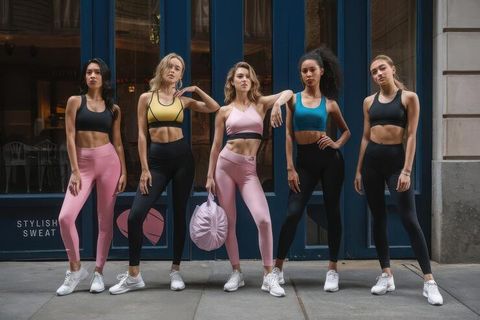
Modern fitness fashion focuses on clothing that supports movement while maintaining comfort throughout the day. From high-waisted leggings and supportive sports bras to breathable tops and coordinated outfits, activewear now represents a combination of athletic performance and personal style. Understanding these developments helps consumers make informed decisions about clothing materials, functionality, and fashion preferences.
Context – Understanding Women’s Activewear Trends and Lifestyle Fashion
Women’s activewear refers to clothing specifically designed for physical activities, exercise, sports, and everyday movement. It includes leggings, sports bras, workout tops, athletic shorts, tracksuits, yoga pants, jackets, and other fitness-related garments.
Traditionally, athletic clothing focused mainly on physical performance and durability. However, changing lifestyles have encouraged designers to combine sportswear with everyday fashion. This development is commonly associated with athleisure, a style that blends athletic clothing with casual outfits.
Several factors influence the development of women's activewear:
Fitness participation and changing exercise routines.
Demand for comfortable and flexible clothing.
Developments in textile manufacturing.
Growing interest in personal wellness.
Fashion influences from social media and lifestyle communities.
Greater awareness of environmental materials and production methods.
Modern activewear is designed for different body shapes, activity levels, and personal preferences. Its purpose is to support movement without unnecessarily restricting comfort or individual expression.
Importance – Why Women's Activewear Matters in Modern Fitness
Women's activewear plays an important role in creating a comfortable exercise experience. Appropriate clothing can support movement, manage moisture, and provide suitable coverage during different physical activities.
Its importance extends beyond appearance because fabric selection, garment construction, and fit can influence how clothing performs during exercise.
Comfort, Performance, and Practical Design
Different activities require different clothing characteristics. For example, yoga generally involves stretching and controlled movements, while running requires garments that remain comfortable during repeated movement.
The following table explains common activewear categories and their practical applications.
Activewear category | Main purpose | Important features |
|---|---|---|
Sports bras | Exercise support | Secure fit and suitable support |
Yoga leggings | Stretching and yoga | Flexibility and comfortable waistbands |
Running shorts | Running and outdoor fitness | Lightweight and breathable materials |
Workout tops | Gym and fitness sessions | Moisture management and ventilation |
Tracksuits | Warm-ups and casual activities | Comfortable construction |
Athletic jackets | Outdoor exercise | Weather protection and layering |
Choosing clothing according to activity requirements can improve comfort and reduce distractions during exercise.
Body inclusivity is another important development. Different sizing systems, adjustable designs, and varied garment constructions help accommodate different body proportions and preferences.
Activewear also affects everyday lifestyle fashion. Many women use athletic clothing for walking, travelling, casual activities, and daily routines because of its practical design.
Recent Updates – Women's Activewear Trends and Developments
Women's activewear continues to evolve through changes in fashion preferences, textile technology, and fitness culture. Recent developments for 2025 and 2026 highlight the combination of performance clothing, everyday styling, and more environmentally conscious design.
1. Athleisure and Everyday Fitness Fashion
Athleisure remains an important direction in modern clothing. Leggings, fitted tops, lightweight jackets, and coordinated sets are increasingly designed to work across exercise and casual settings.
Neutral colours, minimal patterns, relaxed silhouettes, and versatile combinations are common design directions.
2. Advanced Fabric Technology
Textile innovation is influencing how activewear is manufactured. Different materials provide specific characteristics depending on their construction and intended use.
Common materials include:
Polyester blends for lightweight construction and moisture management.
Nylon blends for flexibility and smooth textures.
Elastane or spandex for stretch and movement.
Cotton blends for softness and casual comfort.
Recycled polyester for incorporating recovered plastic materials into textiles.
Some manufacturers also use seamless knitting and specialised fabric structures to reduce bulky stitching and improve garment flexibility.
3. Sustainable Activewear Development
Environmental awareness is influencing textile research and clothing production. Recycled fibres, longer-lasting garment construction, and improved material traceability are receiving greater attention.
However, sustainability depends on several factors, including fibre production, manufacturing processes, transportation, garment durability, washing practices, and disposal.
Recycled materials do not automatically make a garment environmentally sustainable. Its complete lifecycle should be considered.
4. Inclusive Sizing and Functional Design
Modern activewear collections increasingly consider different body shapes and personal preferences. Adjustable waistbands, varied inseam lengths, different support levels, and wider size ranges are important design considerations.
Functional details such as secure pockets, flat seams, adjustable straps, and supportive waistbands also influence garment development.
5. Colour and Design Preferences
Colour selection remains an important part of activewear fashion.
Some commonly observed design directions include:
Design trend | Common characteristics |
|---|---|
Neutral colours | Beige, grey, black, and brown |
Earth-inspired shades | Olive, terracotta, and muted green |
Pastel colours | Lavender, soft pink, and light blue |
Minimalist styling | Simple patterns and clean shapes |
Coordinated sets | Matching leggings and tops |
These trends reflect broader fashion preferences rather than universal requirements. Individual choices continue to depend on comfort, activity, and personal style.
Laws or Policies – Rules Affecting Women's Activewear
Women's activewear is covered by textile, product safety, consumer protection, and environmental regulations. Requirements differ between countries, so manufacturers and consumers should understand the relevant rules in their markets.
In the United States, the Federal Trade Commission (FTC) administers important textile labelling requirements.
Most covered textile products must identify:
Fibre composition.
Country of origin.
Manufacturer, importer, or another responsible business.
The FTC's Care Labeling Rule also requires appropriate garment-care instructions for covered textile apparel. These instructions help consumers understand how clothing should be washed and maintained.
In the European Union, textile products generally require labels identifying their fibre composition. This information supports transparency about garment materials.
Environmental policies are also influencing the apparel industry. The EU's Ecodesign for Sustainable Products Regulation identifies textiles, particularly clothing, as a priority product group for future ecodesign requirements and Digital Product Passport development.
In February 2026, the European Commission adopted measures addressing the destruction of unsold clothing, accessories, and footwear. The related rules form part of wider efforts to reduce textile waste and encourage circular production practices.
In India, textile and apparel businesses must also consider applicable consumer protection, product labelling, quality, and environmental requirements. The relevant requirements depend on the product category and applicable regulations.
These policies demonstrate why accurate product information, responsible manufacturing, and transparent environmental claims matter in modern activewear.
Tools and Resources – Useful Platforms for Activewear Research
Several digital resources can help consumers, researchers, designers, and textile professionals understand women's activewear trends.
Resource | Main purpose |
|---|---|
Google Trends | Explore changing fashion search interests |
Pinterest Trends | Understand visual fashion preferences |
Textile Exchange | Research textile materials and sustainability |
FTC Website | Understand US apparel labelling requirements |
European Commission | Explore European textile regulations |
Canva | Create fashion mood boards and design concepts |
WGSN | Research fashion forecasting and industry developments |
These resources support different research activities, including identifying colour preferences, understanding fabric characteristics, studying fashion movements, and reviewing regulatory information.
Consumers can also examine garment labels to understand fibre composition and care instructions before choosing clothing.
For activewear research, it is useful to compare fabric thickness, stretch recovery, breathability, stitching, waistband construction, and garment coverage.
FAQs – Women's Activewear Trends and Insights
1. What is women's activewear?
Women's activewear is clothing designed for exercise, sports, fitness activities, and everyday movement. Common examples include leggings, sports bras, athletic tops, shorts, and tracksuits.
2. What are the major women's activewear trends in 2026?
Important trends include athleisure outfits, neutral colours, coordinated sets, recycled textile materials, seamless construction, inclusive sizing, and versatile athletic clothing.
3. Which fabrics are commonly used in women's activewear?
Polyester, nylon, elastane, spandex, and cotton blends are commonly used. Fabric selection depends on flexibility, breathability, moisture management, durability, and the intended activity.
4. How is sustainable fashion influencing activewear?
Sustainable fashion encourages the use of recycled fibres, improved manufacturing practices, longer-lasting garments, and better textile waste management. Environmental impact depends on the entire lifecycle of a garment.
5. How can women choose suitable activewear for different activities?
Consider the activity, garment fit, fabric properties, support requirements, and personal comfort. For example, running may require lightweight clothing, while yoga generally benefits from flexible garments that allow unrestricted movement.
Conclusion – The Future of Women's Activewear and Fitness Fashion
Women's activewear continues to connect fitness, comfort, textile innovation, and modern lifestyle fashion. Developments in fabric technology, athleisure, inclusive design, and environmental awareness are influencing how athletic clothing is designed and used.
Understanding these trends helps consumers recognise the differences between garment materials, construction methods, and activity-specific features.
The future of activewear will likely involve further developments in textile technology, material transparency, and functional clothing design. As fitness habits and fashion preferences evolve, comfort, practicality, durability, and responsible production will remain important considerations.

Related Post...

Women’s Lingerie in Poland Guide: Discover Bras, Briefs, Bodysuits, and Nightwear Styles
Updated: October 09, 2026
Read More
Triangle Bikini Trends Guide to Colors, Patterns, and Modern Beach Styles
Updated: October 23, 2026
Read More
High-Cut Brazilian Guide: Explore Swimwear Styles, Fit, Fabrics, and Design Features
Updated: October 10, 2026
Read More