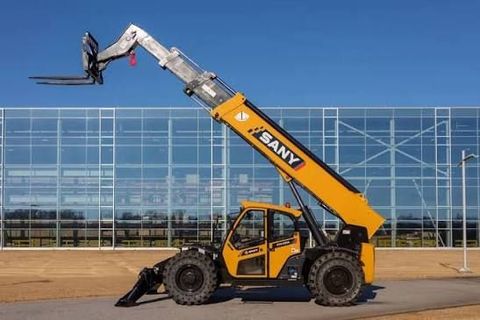
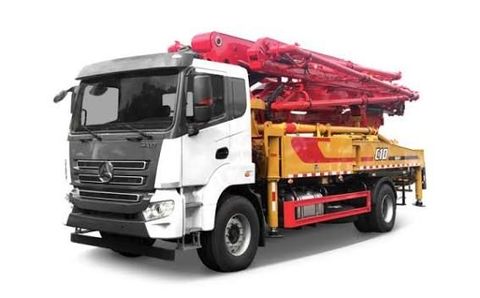
Wheel Loaders: Guide to Choosing the Right Machine Before Project Delays
Wheel Loaders are mobile construction machines designed to move, lift, and load materials such as soil, gravel, sand, crushed stone, and construction debris.
They use a front-mounted bucket and articulated steering system, allowing them to work across construction sites, aggregate yards, road projects, and material-handling areas.
Choosing the right machine involves more than looking at bucket capacity. Factors such as operating weight, engine output, lift height, tire configuration, ground conditions, and attachment compatibility can affect how effectively a wheel loader performs its intended task.
How Wheel Loaders Work
A wheel loader typically uses a hydraulic system to raise and lower the front arms and control the bucket. The operator can scoop material, lift it, transport it over a short distance, and discharge it into a truck, hopper, or stockpile.
Different machine sizes are designed for different workloads. Compact models can operate in restricted areas, while larger wheel loaders are generally used where high material volumes and greater lifting capacity are required.
| Machine factor | What it affects |
|---|---|
| Bucket capacity | Amount of material moved per cycle |
| Operating weight | Stability and ground pressure |
| Lift height | Ability to load elevated containers |
| Engine output | Available power during operation |
| Tire configuration | Traction and surface performance |
| Attachment type | Range of possible applications |
Why Choosing the Right Wheel Loader Matters
Selecting a wheel loader that matches the working environment can influence material-handling efficiency, operator visibility, fuel consumption, and project scheduling. An unsuitable machine may require additional passes, have difficulty operating in confined spaces, or lack sufficient reach for the required loading height.
Project planners, equipment operators, contractors, and site managers may all need to consider machine specifications before work begins. The decision becomes particularly important when material volumes, haul distances, or site conditions change throughout a project.
Factors That Can Affect Project Delays
Several factors can contribute to slower wheel loader operations:
- Incorrect bucket size: A bucket that is too small may require more loading cycles, while an oversized bucket can affect maneuverability and stability.
- Poor ground conditions: Mud, loose aggregate, steep areas, and uneven surfaces can influence traction and machine movement.
- Insufficient lift height: The machine needs adequate reach for the intended truck, hopper, or stockpile.
- Attachment mismatch: Forks, buckets, grapples, and other attachments are designed for different applications.
- Restricted working space: Larger machines may require more room for turning and positioning.
Understanding these factors before equipment selection can help project teams align machine specifications with actual site requirements.
Recent Wheel Loader Developments
Current wheel loader development increasingly focuses on electronic controls, operator assistance, fuel efficiency, emissions management, and machine monitoring. Manufacturers are incorporating technologies that can provide information about machine performance, operating conditions, and maintenance requirements.
Technology and Efficiency Trends
Modern wheel loaders may include features such as automatic bucket positioning, payload measurement, adjustable operating modes, rear-view cameras, onboard monitoring systems, and electronic transmission controls. These technologies are intended to improve operational awareness and help operators maintain consistent loading cycles.
Another ongoing trend is the development of battery-electric and alternative-power wheel loaders for applications where reduced local emissions and lower noise levels are important considerations. Availability varies by machine size, application, and region.
Tools and Resources for Wheel Loader Selection
Several resources can help readers understand machine specifications before a project begins. Manufacturer specification sheets can provide information about bucket capacity, operating weight, breakout force, lift height, dimensions, and rated load.
Useful Planning Resources
Equipment comparison worksheets can organize specifications from different machines in one place. Productivity calculators can also help estimate the number of loading cycles required for a particular material volume, although actual performance depends on operator technique, site layout, material characteristics, and travel distance.
Other useful resources include:
- Equipment specification databases
- Payload calculation tools
- Attachment compatibility guides
- Construction equipment manuals
- Site planning templates
- Fuel and operating-efficiency calculators
These resources can help translate technical specifications into practical project requirements.
FAQs
What are Wheel Loaders mainly used for?
Wheel Loaders are primarily used for loading, transporting, stockpiling, and handling loose materials. Common applications include construction, roadwork, quarry operations, landscaping, and aggregate handling.
How do I choose the right Wheel Loader?
Consider bucket capacity, operating weight, lift height, ground conditions, required attachments, maneuvering space, and expected material volume. The machine specifications should correspond with the actual work environment.
What Wheel Loader size is suitable for a construction project?
The appropriate size depends on material volume, site dimensions, loading height, ground conditions, and transportation requirements. Compact machines may suit restricted areas, while larger models can handle higher material volumes.
Can Wheel Loaders use different attachments?
Yes. Depending on the machine and attachment system, wheel loaders can use buckets, forks, grapples, snow equipment, and other implements. Compatibility should be checked against the machine's hydraulic and lifting specifications.
How does technology affect modern Wheel Loaders?
Electronic controls, payload systems, cameras, monitoring technology, and automated functions can provide additional information and operational control. The available features vary between machine models and configurations.
Conclusion
Wheel Loaders are versatile machines used across construction, aggregate handling, roadwork, and material-moving applications. Selecting a suitable machine requires attention to bucket capacity, operating weight, lift height, ground conditions, attachments, and working space. Recent developments are adding greater electronic monitoring, operator assistance, and alternative power options to the equipment category. Understanding these factors can provide a clearer basis for matching machine specifications with project requirements.

Related Post...
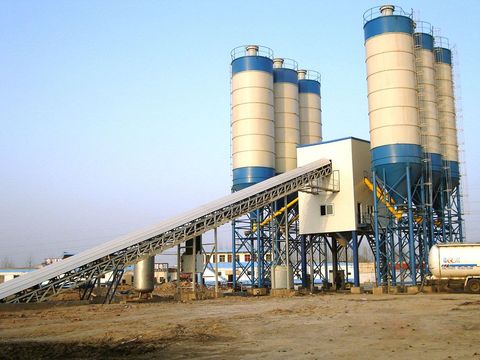
Concrete Batching Plants: Discover Critical Details Before You Choose
Updated: September 26, 2026
Read More
Asphalt Pavers: Explore the Latest Features Before Your Next Road Project
Updated: September 26, 2026
Read More