What Every Traveler Should Know Before Starting a Road Trip
A road trip offers the freedom to explore new destinations at your own pace while enjoying scenic routes, local attractions, and memorable experiences along the way. Whether traveling for a weekend getaway or a cross-country adventure, proper planning can make the journey safer, more comfortable, and more enjoyable.
Modern travel tools such as GPS navigation, mobile travel apps, digital maps, and real-time weather updates have made road trips easier to organize than ever before. However, preparation remains essential. Understanding vehicle readiness, route planning, safety practices, budgeting, and travel essentials can help ensure a smooth journey from departure to destination.
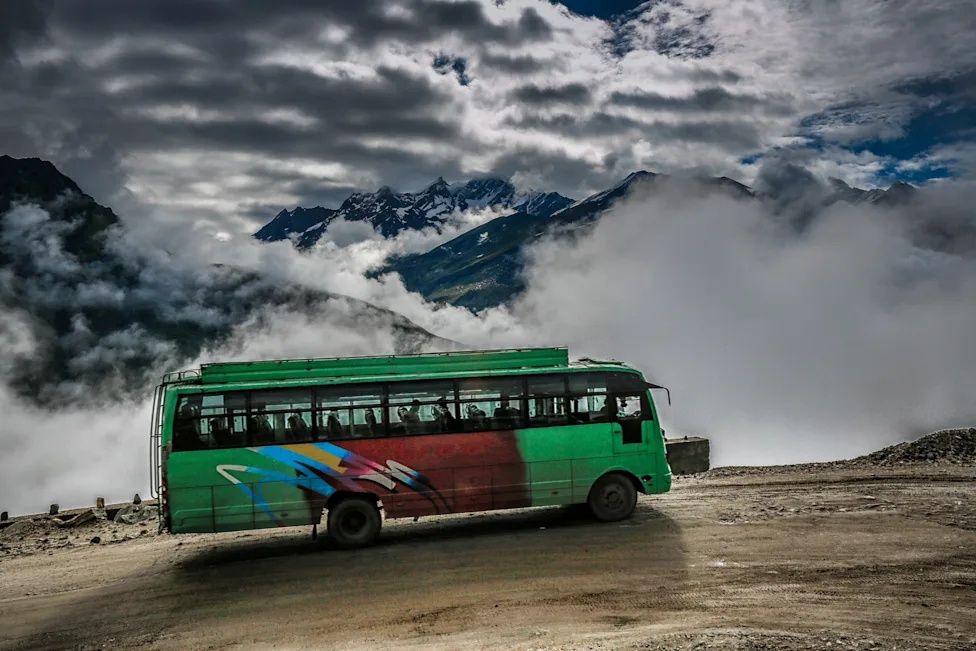
This guide explains how to prepare for a road trip, what to pack, vehicle safety checks, budgeting tips, and current travel trends.
Note: Road conditions, traffic regulations, weather, accommodation availability, and travel requirements vary by country and region. This article is intended for general informational purposes only.
Why Plan Your Road Trip in Advance?
Careful planning helps reduce unexpected challenges during travel.
Benefits of planning include:
More efficient route selection
Better fuel and budget management
Increased travel safety
Easier accommodation planning
Time to identify attractions along the route
Reduced travel stress
Greater flexibility for schedule adjustments
Improved overall travel experience
Even short road trips benefit from advance preparation.
Vehicle Safety Checklist
Before beginning a journey, inspect your vehicle to help reduce the risk of mechanical issues.
Important checks include:
Engine oil level
Tire pressure and tread condition
Brake performance
Coolant level
Battery condition
Windshield wipers
Exterior lights
Spare tire and repair tools
If your vehicle requires maintenance, consider having it inspected before traveling.
Essential Items to Pack
Packing thoughtfully can improve comfort and preparedness.
Useful items include:
Driver's license
Vehicle registration and insurance documents
Mobile phone charger
First-aid kit
Drinking water
Snacks
Flashlight
Power bank
Emergency contact information
Weather-appropriate clothing
Adjust your packing list based on your destination and trip duration.
Route Planning Tips
A well-planned route helps make travel more efficient.
Consider:
Distance between destinations
Fuel station availability
Rest stops
Weather forecasts
Traffic updates
Scenic routes
Accommodation options
Alternative routes for unexpected delays
Navigation apps can provide real-time traffic and route information.
Road Safety Practices
Safe driving should remain the highest priority throughout the journey.
Helpful recommendations include:
Wear seat belts at all times.
Follow local traffic laws.
Observe speed limits.
Avoid distractions while driving.
Take regular breaks during long journeys.
Stay hydrated.
Avoid driving while fatigued.
Maintain a safe following distance.
These habits contribute to a safer travel experience.
Budgeting for a Road Trip
Creating a travel budget helps manage expenses.
Common costs may include:
Fuel
Accommodation
Food and beverages
Parking fees
Road tolls
Attraction entry tickets
Vehicle maintenance
Emergency expenses
Tracking expenses throughout the trip can help you stay within your planned budget.
Road Trip Overview
| Travel Element | Purpose |
|---|---|
| Vehicle Inspection | Improve safety and reliability |
| Route Planning | Optimize travel time |
| Emergency Kit | Prepare for unexpected situations |
| Travel Budget | Manage expenses |
| Navigation Tools | Support efficient travel |
| Rest Stops | Reduce driver fatigue |
Technology for Modern Road Trips
Digital tools make planning and traveling more convenient.
Popular technologies include:
GPS navigation systems
Mobile mapping applications
Weather forecasting apps
Fuel price comparison tools
Hotel booking platforms
Digital payment services
Roadside assistance applications
Travel itinerary organizers
These tools help travelers stay informed throughout their journey.
Current Travel Trends
Road travel continues to evolve with changing traveler preferences.
Recent trends include:
Electric vehicle road trips
Sustainable travel practices
Smart navigation systems
Contactless accommodation check-in
Remote work travel ("workcations")
Scenic route tourism
Camping and outdoor adventures
Digital travel planning platforms
These trends encourage more flexible and environmentally conscious travel experiences.
Looking Ahead
The future of road trips is expected to include greater adoption of electric vehicles, AI-powered navigation, connected vehicle technologies, and smart transportation infrastructure. As travel technology continues to improve, road trips are likely to become safer, more efficient, and increasingly personalized for travelers.
Why Understanding Road Trip Planning Matters
Understanding how to prepare for a road trip helps travelers reduce risks, manage expenses, and enjoy a more organized journey. Careful planning, routine vehicle maintenance, and safe driving practices contribute to memorable and stress-free travel experiences.
Conclusion
A road trip offers an exciting opportunity to discover new destinations while enjoying the flexibility of independent travel. By preparing your vehicle, planning your route, packing essential supplies, following safe driving practices, and using modern travel technology, you can make the journey both enjoyable and efficient. Whether exploring nearby attractions or embarking on a long-distance adventure, thoughtful preparation is the key to a successful road trip.

Related Post...

Bengaluru to Singapore Complete Guide to Travel Planning and Journey Preparation
Updated: August 08, 2026
Read More
Dubai Desert Trips Complete Guide to Adventure Culture and Desert Exploration
Updated: June 20, 2026
Read More