What Are the Latest Jewelry Trends and How Do They Shape Personal Style?
Jewelry trends reflect changing preferences in fashion, personal expression, craftsmanship, and everyday styling. From minimalist necklaces and layered bracelets to statement earrings and personalized accessories, modern jewelry includes a wide range of designs, materials, and styles. Jewelry is not only used as a decorative accessory but also represents individual preferences, cultural influences, and personal identity.
Understanding the latest jewelry trends helps people explore how different designs, metals, gemstones, and styling techniques influence modern fashion. This article examines popular jewelry styles, material choices, emerging design developments, and the relationship between jewelry and personal style.
What Are Jewelry Trends?
Jewelry trends refer to changing preferences in the design, materials, shapes, colours, and styling of decorative accessories. These trends develop through fashion movements, cultural traditions, craftsmanship, technology, and consumer preferences.
Historically, jewelry has been used for personal decoration, cultural expression, ceremonies, and symbolic purposes. Different societies have developed distinctive jewelry-making traditions using metals, gemstones, beads, shells, and other materials.
Modern jewelry combines traditional techniques with contemporary design ideas. Designers consider several elements when developing jewelry collections, including:
Metal types and finishes
Gemstone shapes and colours
Design patterns and textures
Size and proportions
Personalization options
Comfort and durability
Everyday functionality
These characteristics influence how jewelry complements clothing and individual fashion preferences.
Why Are Modern Jewelry Trends Popular?
Modern jewelry trends attract attention because accessories can influence the overall appearance of an outfit. Different designs allow individuals to express their preferences through materials, colours, shapes, and decorative details.
Several factors contribute to changing jewelry preferences.
Personal expression: Jewelry allows individuals to communicate their fashion preferences through distinctive designs and combinations.
Fashion influences: Clothing collections, cultural movements, and seasonal styles influence jewelry shapes, colours, and materials.
Lifestyle requirements: Everyday activities, professional environments, and social occasions influence jewelry size and design.
Cultural significance: Traditional jewelry continues to represent heritage, ceremonies, and regional craftsmanship.
Design innovation: New manufacturing techniques and material combinations introduce additional creative possibilities.
Jewelry preferences also vary according to age, personal interests, cultural background, and individual styling choices.
Latest Jewelry Trends in Modern Fashion
Contemporary jewelry includes several design directions that combine traditional elements with modern styling.
1. Minimalist Jewelry Designs
Minimalist jewelry focuses on simple shapes, delicate details, and understated appearances. Thin necklaces, small hoop earrings, simple rings, and fine bracelets are common examples.
These designs often use gold, silver, and other metal finishes. Their uncomplicated appearance makes them suitable for everyday clothing and professional settings.
2. Layered Necklaces and Bracelets
Layering involves wearing multiple necklaces or bracelets together to create a combined appearance.
Common approaches include:
Combining different necklace lengths.
Mixing delicate chains with pendant necklaces.
Wearing bracelets with different textures.
Combining simple metal designs with decorative pieces.
The overall appearance depends on the balance of length, thickness, colour, and decorative elements.
3. Statement Jewelry
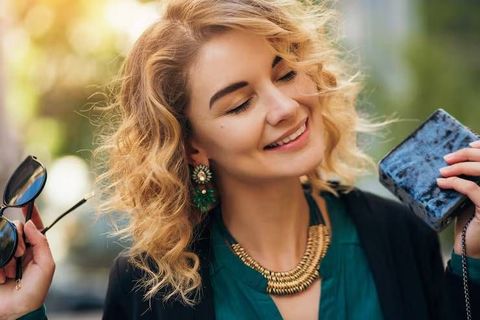
Statement jewelry includes larger or more visually noticeable accessories. Oversized earrings, bold necklaces, sculptural rings, and decorative cuffs are common examples.
These pieces can become prominent elements of an outfit. Their designs often incorporate geometric shapes, colourful gemstones, unusual textures, or distinctive metalwork.
4. Personalized Jewelry
Personalized jewelry includes designs that incorporate initials, names, dates, symbols, or meaningful decorative elements.
Common examples include engraved pendants, initial necklaces, birthstone rings, and customized bracelets.
These designs allow individuals to include personal meaning within their accessories.
5. Colorful Gemstone Jewelry
Colourful gemstones introduce different visual characteristics through their shades, patterns, and natural variations.
Popular gemstone categories include:
Emerald
Sapphire
Ruby
Amethyst
Topaz
Aquamarine
Gemstones are used in rings, necklaces, bracelets, and earrings. Their appearance depends on colour, cut, clarity, size, and setting.
6. Vintage-Inspired Jewelry
Vintage-inspired jewelry draws design ideas from earlier fashion periods. Art Deco patterns, antique-style settings, pearl details, decorative chains, and traditional metalwork are common examples.
These designs combine historical influences with contemporary proportions and manufacturing methods.
7. Sustainable and Alternative Materials
Material innovation is influencing contemporary jewelry development. Some designers explore recycled metals, responsibly sourced gemstones, laboratory-grown gemstones, and alternative decorative materials.
These approaches introduce different options for jewelry construction and material selection. Their environmental characteristics depend on sourcing, manufacturing, processing, and transportation.
8. Sculptural and Geometric Jewelry
Sculptural jewelry uses unusual shapes, asymmetrical forms, and three-dimensional designs. Geometric earrings, curved rings, abstract pendants, and irregular bracelets are examples.
These designs focus on shape and structure rather than relying entirely on gemstones or decorative details.
Popular Jewelry Materials and Their Characteristics
Materials influence jewelry appearance, durability, weight, maintenance, and overall construction.
Gold
Gold is widely used in rings, necklaces, bracelets, and earrings. It is available in different purity levels and colour variations, including yellow gold, white gold, and rose gold.
Silver
Silver is used in both traditional and contemporary jewelry. Sterling silver commonly contains silver combined with other metals to improve its physical properties.
Platinum
Platinum is a naturally occurring precious metal used in jewelry manufacturing. It is known for its density and resistance to corrosion.
Pearls
Pearls are used in necklaces, earrings, bracelets, and decorative jewelry designs. They can be natural or cultured and are available in different shapes and colours.
Gemstones
Gemstones add colour, texture, and decorative variation to jewelry. Their characteristics depend on mineral composition, formation, treatment, and quality.
Stainless Steel
Stainless steel is used in contemporary jewelry because of its durability and resistance to corrosion. It appears in bracelets, rings, chains, and other accessories.
Comparison of Different Jewelry Styles
Different jewelry categories have distinct design characteristics and styling applications.
Jewelry style | Main features | Common usage | Design appearance |
|---|---|---|---|
Minimalist jewelry | Simple shapes and details | Everyday wear | Understated |
Statement jewelry | Large decorative elements | Special occasions | Bold |
Layered necklaces | Multiple chain lengths | Casual and formal styling | Combined |
Vintage jewelry | Historical design influences | Traditional and formal styling | Decorative |
Personalized jewelry | Names, initials, and symbols | Everyday and personal styling | Individualized |
Gemstone jewelry | Coloured stones | Formal and everyday use | Decorative |
Pearl jewelry | Natural or cultured pearls | Formal and casual styling | Classic |
Geometric jewelry | Defined shapes and patterns | Contemporary fashion | Modern |
Sculptural jewelry | Three-dimensional forms | Fashion-focused styling | Artistic |
Cuff bracelets | Wide or open bracelet structures | Casual and formal use | Distinctive |
The suitability of each style depends on personal preferences, clothing combinations, comfort, and the occasion.
How Do Jewelry Trends Shape Personal Style?
Jewelry plays an important role in personal styling because accessories can change the visual balance and character of an outfit.
Several factors influence how jewelry shapes personal style.
Colour coordination: Matching or contrasting jewelry colours with clothing creates different visual effects.
Proportions: Small accessories provide subtle details, while larger pieces create more noticeable focal points.
Personal preferences: Individual choices regarding metals, gemstones, and patterns influence overall styling.
Occasion: Everyday clothing, professional environments, celebrations, and formal events may involve different jewelry preferences.
Cultural influences: Traditional designs and symbolic elements can reflect cultural heritage and personal connections.
Jewelry therefore provides flexibility in personal expression without requiring changes to an entire clothing style.
Recent Developments in Jewelry Fashion
Jewelry design continues to evolve through changing consumer preferences, manufacturing techniques, and material innovation.
Some noticeable developments include:
Increased interest in layered necklaces and mixed-metal combinations.
Continued use of pearls in contemporary jewelry designs.
Greater experimentation with asymmetrical and geometric shapes.
Development of laboratory-grown gemstone jewelry.
Increased attention to recycled metals and material traceability.
Combination of traditional craftsmanship with digital design techniques.
Computer-aided design tools also help jewelry designers create detailed models, examine proportions, and visualize settings before production.
These developments demonstrate how contemporary jewelry combines established craftsmanship with changing fashion preferences.
Frequently Asked Questions
1. What are the latest jewelry trends in modern fashion?
Current jewelry trends include minimalist necklaces, layered bracelets, statement earrings, personalized accessories, colourful gemstones, vintage-inspired designs, and sculptural jewelry. Preferences vary according to fashion collections and individual styling choices.
2. Which jewelry styles are suitable for everyday wear?
Simple necklaces, small hoop earrings, delicate bracelets, and minimalist rings are commonly used for everyday styling. Comfort, material characteristics, and personal preferences influence suitability.
3. How do jewelry trends influence personal style?
Jewelry influences personal style through colour, shape, texture, and proportions. Different accessories can complement clothing, create visual contrast, and communicate individual fashion preferences.
4. What materials are commonly used in modern jewelry?
Gold, silver, platinum, pearls, gemstones, and stainless steel are commonly used. Contemporary designs may also incorporate recycled metals, laboratory-grown gemstones, and alternative materials.
5. What is the difference between minimalist and statement jewelry?
Minimalist jewelry features simple shapes and subtle decorative details, while statement jewelry uses larger designs, noticeable textures, and prominent shapes. Both styles serve different fashion preferences and occasions.
Conclusion
Jewelry trends reflect changing preferences in fashion, craftsmanship, materials, and personal expression. Modern designs combine minimalist accessories, statement pieces, colourful gemstones, vintage influences, and contemporary geometric shapes. Developments in material innovation and digital design are also influencing jewelry manufacturing. Understanding these trends provides useful insight into how jewelry complements clothing and shapes personal style.
Related Post...
What Are the Latest Jewelry Trends and How Do They Shape Personal Style?
Updated: November 27, 2026
Read More