Water Heater Guide: Replacement Options, Energy Efficiency, and Installation Information
A water heater is an appliance or system designed to heat and supply hot water for residential or commercial use. In homes, hot water is commonly used for bathing, washing dishes, laundry, cleaning, and other household activities.
Water heating can account for a significant portion of household energy consumption, making equipment selection, maintenance, and efficiency important considerations for homeowners.
Common residential water-heating technologies include:
- Conventional storage tank water heaters
- Tankless or on-demand water heaters
- Heat pump water heaters
- Electric resistance water heaters
- Gas-fired water heaters
- Solar water heating systems
- Hybrid water heaters
Each technology uses a different method to heat and store or deliver water.
Common Water Heater Types
| Water Heater Type | General Characteristics | Common Consideration |
|---|---|---|
| Storage Tank | Stores heated water in a tank | Familiar technology and continuous standby losses |
| Tankless | Heats water as it is needed | Requires appropriate flow and installation conditions |
| Heat Pump | Transfers heat from surrounding air | Can provide high energy efficiency |
| Electric Resistance | Uses electrical heating elements | Straightforward electrical operation |
| Gas | Uses natural gas or propane | Requires appropriate fuel and venting systems |
| Solar | Uses solar energy to heat water | Depends on location and system design |
The appropriate system depends on household demand, available energy sources, installation conditions, climate, and applicable building requirements.
Importance
Water heating affects household comfort, energy consumption, utility usage, and equipment maintenance. An aging or improperly maintained water heater may experience reduced performance, leaks, corrosion, or other operational problems.
Understanding replacement options can help homeowners evaluate systems based on:
- Household hot-water demand
- Available installation space
- Energy source
- Energy efficiency
- Equipment capacity
- Expected usage patterns
- Ventilation requirements
- Electrical requirements
- Plumbing configuration
- Local building requirements
Energy Efficiency
Energy efficiency is an important consideration when comparing water heaters. A more efficient system can use less energy to provide a similar amount of hot water, although actual performance depends on installation, usage, climate, and maintenance.
The U.S. Department of Energy provides information about water-heating efficiency and technologies such as heat pump water heaters.
Energy-related characteristics can include:
- Uniform Energy Factor (UEF)
- Standby losses
- Recovery efficiency
- Heating capacity
- Hot-water delivery performance
- Energy source
The important point for homeowners is that water-heating efficiency depends on the complete system rather than a single specification.
Replacement Considerations
A water heater may eventually require replacement because of:
- Age
- Tank corrosion
- Persistent leaks
- Repeated operational problems
- Reduced hot-water availability
- Inefficient operation
- Outdated technology
- Changes in household demand
The expected operating life varies by technology, water conditions, maintenance, and installation quality.
Recent Updates
During 2025 and 2026, residential water heating has continued evolving through heat pump technology, improved energy-efficiency standards, smart controls, and greater interest in household electrification.
Heat Pump Water Heaters
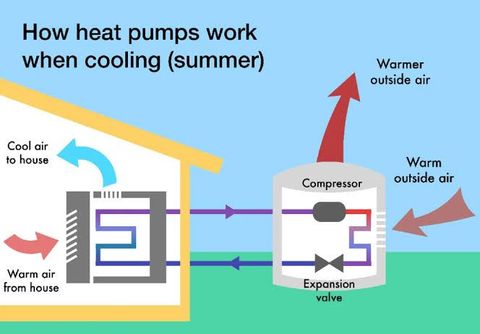
Heat pump water heaters transfer heat from surrounding air rather than generating heat entirely through electrical resistance.
They can provide high efficiency under suitable operating conditions and are increasingly considered in residential energy-efficiency planning.
Important considerations include:
- Installation space
- Ambient temperature
- Noise
- Condensate management
- Electrical requirements
- Household hot-water demand
Smart Water Heating
Modern systems may incorporate:
- Digital temperature controls
- Wi-Fi connectivity
- Energy monitoring
- Leak detection
- Scheduling features
- Diagnostic notifications
Connected systems can help homeowners monitor equipment operation and identify certain issues earlier.
Efficiency Standards
U.S. energy-efficiency requirements for residential water heaters continue to evolve. Federal efficiency standards and labeling requirements can affect the design and performance characteristics of new equipment.
Homeowners should check the current Department of Energy requirements and the efficiency information provided for the specific model being considered.
Laws or Policies
Water heater installation in the United States can be affected by federal energy standards as well as state, county, and municipal building, plumbing, electrical, fuel-gas, and safety requirements.
Important regulatory and technical areas include:
- U.S. Department of Energy efficiency standards
- Local plumbing codes
- Local building codes
- Electrical codes
- Fuel-gas requirements
- Venting requirements
- Water-heater safety provisions
- Permit requirements
The International Residential Code (IRC) and International Plumbing Code (IPC) are widely used as model codes, although jurisdictions determine which codes and editions apply locally.
Installation Requirements
Depending on the equipment type, installation may involve requirements concerning:
- Water connections
- Temperature and pressure relief
- Drainage
- Venting
- Combustion air
- Gas connections
- Electrical circuits
- Seismic restraints in applicable areas
- Clearances
- Condensate drainage
Gas-powered equipment requires particular attention to combustion and venting requirements. Electrical systems must also meet applicable electrical codes.
Because requirements vary by location and equipment type, homeowners should verify local requirements before replacement or installation.
Tools and Resources
Several resources can help homeowners research water heater options and prepare for replacement.
Useful resources include:
- Water heater sizing calculators
- Energy-efficiency comparison tools
- Manufacturer installation manuals
- Product specification sheets
- EnergyGuide labels
- Department of Energy resources
- Local building-code information
- Plumbing-code references
- Maintenance checklists
- Water heater inspection guides
- Energy-use calculators
- Household hot-water demand worksheets
Water Heater Evaluation Checklist
Before replacing a water heater, homeowners can review:
- Current water heater type
- Tank capacity
- Household hot-water demand
- Energy source
- Equipment dimensions
- Installation location
- Electrical requirements
- Gas and venting requirements
- Energy-efficiency rating
- Warranty information
- Local permit requirements
- Maintenance requirements
A qualified professional can determine whether the existing plumbing, electrical, gas, ventilation, and installation configuration is appropriate for the replacement system.
Frequently Asked Questions
When should a water heater be replaced?
Replacement may be considered when a water heater reaches the end of its expected operating life, develops significant corrosion or leakage, experiences repeated problems, or no longer meets household requirements.
What type of water heater is most energy efficient?
Heat pump water heaters are generally among the more energy-efficient electric water-heating technologies available for suitable residential applications. Actual performance depends on climate, installation, usage, and equipment specifications.
Are tankless water heaters more efficient?
Tankless systems can avoid some standby heat losses because they generally heat water as needed. However, efficiency and suitability depend on household demand, equipment capacity, installation, and usage patterns.
What should be checked before installing a new water heater?
Homeowners should consider equipment capacity, available space, plumbing connections, electrical requirements, gas and venting requirements where applicable, drainage, local codes, and permit requirements.
How can homeowners improve water heater efficiency?
Efficiency can be supported by selecting appropriately sized equipment, maintaining the system according to manufacturer instructions, reducing unnecessary hot-water use, addressing insulation requirements where appropriate, and reviewing the equipment's efficiency specifications.
Conclusion
Water heaters are important household systems that provide hot water while contributing to overall household energy consumption. Understanding water heater replacement options, energy efficiency, installation requirements, maintenance, and available technologies can help homeowners make informed decisions.
During 2025 and 2026, heat pump water heaters, smart controls, improved efficiency technologies, and evolving federal and local requirements have continued influencing residential water heating.
Understanding tankless water heaters, electric and gas systems, heat pump water heaters, energy-efficiency ratings, installation requirements, and maintenance practices provides a useful foundation for evaluating water-heating equipment. Because plumbing, electrical, fuel-gas, building, and permit requirements vary by location, homeowners should verify applicable local rules and follow the manufacturer's installation instructions before replacing or installing equipment.

Related Post...
Fire Alarm System Guide: Detection Technology, Building Requirements, and Safety Planning
Updated: September 14, 2026
Read More
Commercial Roofing Guide: Roofing Systems, Building Protection, and Maintenance
Updated: September 01, 2026
Read More
Attic Conversion Guide: Space Planning, Insulation, and Home Improvements
Updated: August 24, 2026
Read More