Water Damage Restoration Guide: Property Recovery, Cleanup Processes, and Insurance Claims
Water damage restoration is the process of assessing, drying, cleaning, repairing, and restoring property affected by unwanted water. Damage can result from plumbing failures, appliance leaks, roof problems, storms, flooding, sewer backups, or other sources.
The restoration process generally begins by identifying the water source and preventing additional water from entering the property. The affected area is then assessed to determine the extent of moisture and damage.
Prompt action can be important because prolonged moisture can contribute to deterioration, mold growth, damaged finishes, and other property problems. The appropriate response depends on the source of the water, the affected materials, and the extent of contamination.
Context
Water damage can affect structural materials, flooring, walls, ceilings, electrical systems, furniture, insulation, and personal belongings. The first priority is generally safety and stopping the source of water when it can be done safely.
Common Causes of Water Damage
| Source | Potential Impact |
| Burst Pipe | Rapid water intrusion |
| Plumbing Leak | Localized or recurring moisture |
| Appliance Failure | Floor and cabinet damage |
| Roof Leak | Ceiling and wall moisture |
| Storm Water | Exterior and interior flooding |
| Sewer Backup | Potentially contaminated water |
| Foundation Leakage | Basement moisture |
| HVAC Condensation | Localized moisture problems |
Different water sources can require different cleanup precautions.
Common Signs of Water Damage
Property owners may notice:
Water stains
Wet drywall
Damp flooring
Peeling paint
Warped wood
Swollen materials
Musty odors
Standing water
Damp insulation
Visible mold growth
Some moisture can remain hidden behind walls, under flooring, or inside building assemblies.
Water-Damage Categories
Restoration professionals may classify water according to its contamination level and potential health risk. Clean water, contaminated water, and sewage-related water require different precautions.
The classification can change as water remains in contact with materials or contaminants.
Importance
Water damage can become more extensive when moisture is not addressed promptly. Rapid assessment and drying can help limit secondary damage and reduce conditions favorable to mold growth.
Why Water Restoration Matters
Appropriate restoration can help:
Stop ongoing water intrusion
Remove standing water
Dry affected materials
Reduce secondary damage
Protect salvageable belongings
Address moisture-related risks
Restore damaged areas
Document property conditions
The extent of recovery depends on the amount of water, exposure time, materials affected, and contamination level.
Structural Considerations
Water can affect:
Drywall
Wood framing
Flooring
Subfloors
Insulation
Cabinets
Ceilings
Electrical components
Building contents
Materials should be assessed individually because some can be dried and restored while others may require removal.
Indoor Air Quality
Persistent moisture can contribute to mold growth and indoor environmental problems. Drying and moisture control are therefore important parts of water-damage restoration.
EPA guidance recommends addressing water and moisture problems promptly to help prevent mold growth.
Restoration Assessment
| Assessment Area | Purpose |
| Water Source | Identify and stop ongoing intrusion |
| Moisture Level | Determine affected materials |
| Contamination | Establish appropriate precautions |
| Structural Damage | Assess building components |
| Contents | Determine salvageability |
| Mold Risk | Identify conditions supporting growth |
| Documentation | Record damage for restoration and claims |
Recent Updates
During 2025 and 2026, property restoration continued incorporating moisture-monitoring technology, digital documentation, remote sensors, improved drying equipment, and building-management tools.
Moisture Detection Technology
Modern restoration assessments can use:
Moisture meters
Infrared cameras
Humidity sensors
Temperature monitoring
Remote leak sensors
Digital inspection applications
These tools can help identify moisture that may not be visible.
Advanced Drying Equipment
Restoration operations may use:
Air movers
Dehumidifiers
HEPA filtration equipment
Specialized drying systems
Moisture-monitoring devices
The appropriate equipment depends on the affected materials and environmental conditions.
Digital Documentation
Property restoration increasingly uses digital tools to record:
Photographs
Moisture readings
Damage locations
Equipment placement
Drying progress
Repair documentation
Insurance-related records
Organized records can make communication between property owners, restoration professionals, and insurers easier.
Mold Prevention
Moisture control remains an important part of preventing mold after water damage. EPA guidance emphasizes drying wet areas and correcting the source of moisture.
Water-damaged materials should be evaluated promptly because prolonged dampness can increase the likelihood of mold growth.
Laws or Policies
Water damage restoration and insurance claims in the United States can involve building regulations, environmental requirements, occupational safety rules, and insurance policies.
Building and Safety Requirements
Restoration work may involve:
Electrical safety
Structural repairs
Building permits
Plumbing requirements
Waste disposal
Worker safety
Requirements vary by state and local jurisdiction.
OSHA Considerations
Workers involved in restoration may encounter electrical hazards, contaminated water, chemicals, mold, confined spaces, or damaged structures. Applicable Occupational Safety and Health Administration requirements may therefore be relevant depending on the work performed.
Insurance Policies
Water damage coverage depends heavily on the specific insurance policy and the cause of damage.
Homeowners should review:
Covered causes of loss
Exclusions
Deductibles
Policy limits
Additional living expenses
Personal property coverage
Water-backup coverage
Flood insurance
Standard homeowners insurance generally does not provide the same coverage as a separate flood insurance policy, and policy language varies.
Insurance Documentation
When filing a claim, property owners may document:
Date and time of incident
Source of water
Photographs and videos
Damaged materials
Damaged personal property
Emergency repairs
Receipts
Restoration records
Communications with the insurer
Policyholders should follow the reporting and documentation requirements in their policy.
Tools and Resources
Useful water-damage restoration resources include:
Moisture meters
Infrared cameras
Humidity monitors
Leak-detection sensors
Restoration checklists
Property inventories
Digital photo records
Insurance policy documents
Building maintenance records
FEMA flood resources
Insurance regulator resources
Water Damage Response Checklist
Property owners can generally consider:
Prioritizing personal safety
Stopping the water source when safe
Disconnecting electricity from affected areas when appropriate and safe
Photographing damage
Moving undamaged belongings away from affected areas
Reporting the incident according to the insurance policy
Beginning appropriate drying measures
Keeping receipts and records
Monitoring for moisture and mold
Documenting repairs
Do not enter areas with potentially dangerous electrical conditions or contaminated water without appropriate precautions.
Restoration Workflow
| Stage | Primary Purpose |
| Inspection | Determine the extent of damage |
| Water Removal | Remove standing water |
| Moisture Assessment | Identify wet materials |
| Drying | Reduce moisture levels |
| Cleaning | Address affected surfaces and contents |
| Sanitization | Address contamination when appropriate |
| Restoration | Repair or replace damaged materials |
| Documentation | Maintain records |
| Insurance Claim | Submit relevant documentation |
| Follow-Up | Monitor restored areas |
Frequently Asked Questions
What is water damage restoration?
Water damage restoration involves assessing, drying, cleaning, repairing, and restoring areas affected by unwanted water intrusion.
How quickly should water damage be addressed?
Water damage should generally be addressed as soon as reasonably possible. Prompt drying can help limit deterioration and reduce conditions favorable to mold growth.
Does homeowners insurance cover water damage?
Coverage depends on the cause of the water damage and the terms of the policy. Sudden and accidental water damage may be covered in some circumstances, while flooding and certain maintenance-related problems may be excluded.
What should be documented for a water damage insurance claim?
Useful documentation can include photographs, videos, damaged-property inventories, receipts, repair records, moisture documentation, and communications related to the incident.
Can water-damaged materials always be restored?
No. Some materials can be dried and cleaned, while others may be too damaged or contaminated to restore. The decision depends on material type, contamination, structural condition, and exposure duration.
Conclusion
Water damage restoration combines water removal, moisture assessment, drying, cleaning, property repair, documentation, and insurance-claim management. Promptly addressing the source of water and controlling moisture can help reduce secondary damage and mold-related risks.
During 2025 and 2026, restoration practices continued incorporating digital inspection tools, moisture sensors, infrared imaging, advanced drying equipment, and electronic documentation.
Property owners should prioritize safety, document damage carefully, review their insurance policy, and address water intrusion promptly. Complex situations involving contaminated water, structural damage, extensive flooding, or significant property loss may require appropriately qualified professionals.
Insurance coverage varies by policy and jurisdiction, so specific claims decisions should be based on the applicable policy language and guidance from the insurer or relevant insurance authority.
This article provides general educational information and does not determine insurance coverage, property damage liability, or the appropriate restoration method for a specific situation.

Related Post...
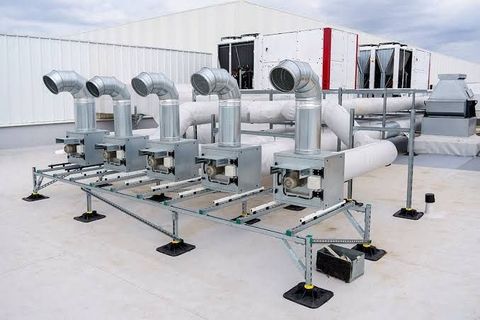
Commercial HVAC Guide: Heating Systems, Cooling Equipment, and Facility Management
Updated: September 01, 2026
Read More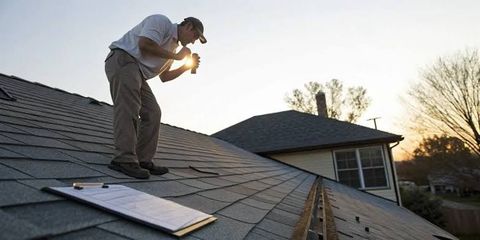
Roof Inspection Guide: Damage Assessment, Maintenance Planning, and Roofing Systems
Updated: August 24, 2026
Read More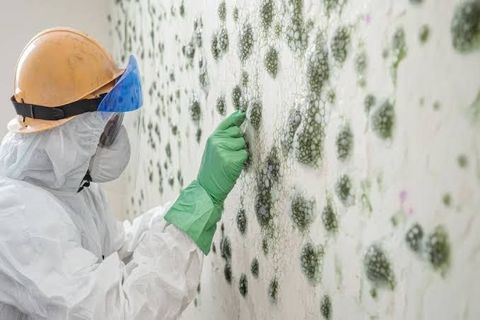
Mold Inspection Guide: Property Testing, Moisture Assessment, and Remediation Planning
Updated: September 15, 2026
Read More