These devices exist because electricity is not visible to the human eye. In residential, commercial, and industrial electrical systems, conductors may appear inactive while still carrying dangerous voltage levels. Voltage detection tools provide a reliable method to verify electrical status before inspection, maintenance, or troubleshooting activities.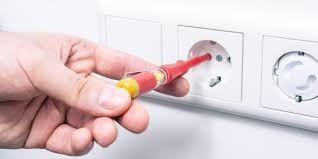
Voltage detectors are commonly used by electricians, engineers, technicians, facility managers, and safety inspectors. They are also relevant in manufacturing plants, power distribution systems, construction sites, data centers, and renewable energy installations. Their design ranges from simple non-contact pens to advanced high-voltage detection systems used in substations and transmission networks.
Why Voltage Detectors Matter in Modern Electrical Systems
The importance of voltage detectors has increased as electrical infrastructure has become more complex and widespread. Modern buildings, industrial automation, electric vehicles, and renewable energy systems rely heavily on interconnected electrical networks.
Key reasons voltage detectors matter today include:
-
Increased electrical density in homes and workplaces
-
Expansion of renewable power systems such as solar and wind
-
Growth of smart grids and automated industrial equipment
-
Stricter workplace electrical safety standards
-
Rising awareness of electrical hazard prevention
Voltage detectors help prevent several critical problems:
-
Accidental contact with live conductors
-
Improper isolation during maintenance activities
-
Equipment damage caused by unexpected energization
-
Workplace injuries related to electrical exposure
They affect a broad range of users, from skilled professionals to trained maintenance staff. In many environments, verifying voltage presence is a required safety step before any electrical task begins.
Recent Developments and Trends in Voltage Detection Technology
Over the past year, voltage detection technology has continued to evolve, focusing on accuracy, safety, and usability.
Key updates and trends observed during 2024–2025 include:
-
In mid-2024, updates to IEC 61243 standards emphasized clearer visual and audible indicators for low-voltage and high-voltage detectors.
-
Increased adoption of dual-mode detectors combining contact and non-contact sensing, improving verification reliability.
-
Wider use of LED intensity indicators and vibration alerts for noisy industrial environments.
-
Improved insulation materials and ergonomic designs introduced by major test equipment manufacturers in late-2024.
-
Integration of voltage detection into multifunction electrical testing instruments, reducing the need for multiple tools.
There is also growing interest in voltage detectors compatible with renewable energy systems, particularly DC voltage detection for solar photovoltaic installations. This reflects broader changes in global energy infrastructure and safety practices.
Regulations, Standards, and Policy Considerations
Voltage detectors are closely linked to electrical safety regulations and technical standards. While specific requirements vary by country, most regions align with internationally recognized frameworks.
Common regulatory and policy influences include:
-
Electrical safety codes that require voltage verification before maintenance
-
Occupational safety regulations mandating protective equipment and testing procedures
-
Equipment standards governing insulation, accuracy, and indicator visibility
Examples of widely referenced standards:
-
IEC 61243 series for live working voltage detectors
-
IEEE electrical safety guidelines for industrial environments
-
National electrical codes governing safe work practices
In many countries, regulatory authorities require voltage detection as part of lockout and isolation procedures. These policies aim to reduce workplace electrical incidents and improve compliance with safety management systems.
Government programs related to infrastructure upgrades, grid modernization, and renewable energy deployment also indirectly influence voltage detector usage by increasing the number of electrical installations requiring inspection and verification.
Common Types of Voltage Detectors Explained
Voltage detectors are available in several forms, each designed for specific voltage ranges and applications.
Main categories include:
-
Non-contact voltage detectors for quick presence checks
-
Contact voltage detectors for direct measurement confirmation
-
Low-voltage detectors for residential and commercial systems
-
High-voltage detectors for substations and transmission equipment
-
AC and DC voltage detectors for different power systems
Comparison Table: Voltage Detector Types and Applications
| Type of Voltage Detector | Typical Voltage Range | Common Use Cases |
|---|---|---|
| Non-contact detector | 50V–1000V AC | Basic safety checks |
| Contact detector | Up to 1000V AC/DC | Verification before work |
| High-voltage detector | Above 1kV | Utility and grid systems |
| DC voltage detector | Varies | Solar and battery systems |
This diversity allows users to select detection tools aligned with their specific operational and safety requirements.
Tools, References, and Learning Resources
A range of technical resources supports effective understanding and use of voltage detectors.
Helpful tools and resources include:
-
Electrical safety guideline publications from standards organizations
-
Manufacturer technical manuals explaining detection principles
-
Online voltage safety calculators for estimating exposure thresholds
-
Training modules on electrical hazard identification
-
Reference charts for voltage classification and insulation ratings
Many professional bodies and safety institutes publish updated guidance materials that explain correct voltage verification procedures and best practices.
Example Reference Table: Voltage Classification
| Voltage Level | Classification | Typical Environment |
|---|---|---|
| Below 50V | Extra-low voltage | Control circuits |
| 50V–1000V | Low voltage | Buildings and machinery |
| Above 1000V | High voltage | Power transmission |
Such references help users understand the context in which different voltage detectors are applied.
Frequently Asked Questions About Voltage Detectors
What is the difference between contact and non-contact voltage detectors?
Contact detectors require physical connection to the conductor, while non-contact detectors sense electric fields without touching the wire.
Can voltage detectors identify exact voltage values?
Most voltage detectors indicate presence or absence of voltage rather than providing precise measurements. Dedicated meters are used for exact values.
Are voltage detectors suitable for both AC and DC systems?
Some models are designed specifically for AC or DC, while others support both. Compatibility depends on detector design.
Why is voltage verification important even after power isolation?
Residual energy, backfeed, or system faults can leave conductors energized. Verification ensures actual de-energization.
Do voltage detectors work through insulation?
Non-contact detectors can sense voltage through standard insulation, but effectiveness varies based on material and thickness.
Conclusion
Voltage detectors play a critical role in electrical safety by providing a simple and effective method to identify live electrical circuits. As electrical systems become more widespread and technologically advanced, the need for reliable voltage detection continues to grow.
Ongoing updates to standards, improved detection features, and expanded application areas highlight the continued relevance of these tools. Understanding how voltage detectors work, where they are used, and how they are governed by safety policies helps users apply them responsibly and effectively.
By supporting safer electrical practices across residential, commercial, and industrial environments, voltage detectors remain an essential component of modern electrical knowledge and risk prevention strategies.