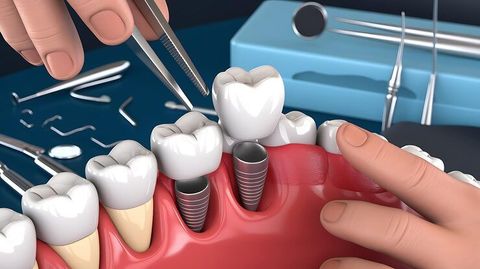
Understanding Modern Teeth Cleaning Techniques and Their Benefits
Teeth cleaning techniques refer to the daily habits and professional procedures used to remove plaque, food particles, bacteria, and hardened deposits from teeth and gums. These techniques play an important role in maintaining oral hygiene, supporting gum health, and reducing the likelihood of common dental problems.
The mouth naturally contains bacteria that interact with food particles and form a sticky layer called plaque. When plaque remains on tooth surfaces, it can contribute to tooth decay, gum inflammation, and unpleasant breath. Over time, untreated plaque can harden into tartar, which cannot normally be removed through regular brushing alone.
Teeth cleaning involves two main approaches: personal oral hygiene and professional dental cleaning. Personal hygiene includes brushing, flossing, and using appropriate oral care products. Professional cleaning involves procedures performed by qualified dental professionals to remove deposits that are difficult to eliminate at home.
Common teeth cleaning techniques include:
Manual toothbrushing using a soft-bristled toothbrush.
Electric toothbrush cleaning with controlled vibrations or oscillating movements.
Dental flossing to remove debris between teeth.
Interdental brushing for cleaning wider spaces between teeth.
Professional scaling to remove hardened plaque and tartar.
Professional polishing to remove certain surface stains and deposits.
Fluoride treatments to strengthen tooth enamel and support cavity prevention.
Understanding these methods helps individuals develop consistent oral hygiene habits and recognize when professional dental attention may be appropriate.
How Plaque Develops on Teeth
Plaque develops continuously as bacteria combine with saliva and food particles. It commonly collects around the gumline, between teeth, and in areas that are difficult to reach with a toothbrush.
| Oral condition | Main characteristic | Potential concern |
|---|---|---|
| Dental plaque | Soft bacterial film | Tooth decay and gum inflammation |
| Tartar | Hardened plaque deposits | Gum irritation and periodontal problems |
| Surface stains | Discoloration on enamel | Changes in tooth appearance |
| Gingivitis | Inflamed or bleeding gums | Early-stage gum disease |
| Periodontitis | Damage to supporting gum tissues | Tooth instability and possible tooth loss |
Why Effective Teeth Cleaning Matters
Maintaining proper dental hygiene is important for people of different ages. Teeth and gums are exposed to bacteria, food particles, and environmental factors throughout the day. Without regular cleaning, these elements can contribute to several oral health conditions.
One of the main benefits of effective teeth cleaning is plaque control. Removing plaque regularly helps reduce the bacterial activity associated with cavities and gum inflammation.
Oral hygiene also supports comfortable eating and speaking. Healthy teeth and gums contribute to normal chewing functions and help maintain the structures that support the teeth.
Benefits for Different Age Groups
Children benefit from early oral hygiene education because their developing teeth require consistent care. Supervised brushing and age-appropriate fluoride toothpaste help establish healthy habits.
Adults need regular cleaning practices to manage plaque accumulation, protect enamel, and maintain gum health. People with crowded teeth, dental restorations, or orthodontic appliances may require additional cleaning attention.
Older adults can experience challenges such as gum recession, reduced saliva production, and difficulty handling toothbrushes. Adapted oral hygiene tools can help address these concerns.
Common Problems Addressed by Dental Cleaning
Effective cleaning practices help manage several common oral health concerns:
Tooth decay: Removing plaque and using fluoride toothpaste helps reduce the risk of cavities.
Gum inflammation: Regular cleaning helps control bacteria around the gumline.
Bad breath: Removing food particles and bacterial deposits can improve breath freshness.
Tartar accumulation: Professional scaling removes hardened deposits that brushing cannot eliminate.
Surface discoloration: Professional polishing may reduce certain external stains.
Periodontal concerns: Appropriate cleaning and ongoing dental monitoring help manage gum disease.
Dental cleaning does not replace treatment for existing dental conditions. Persistent pain, swelling, bleeding, or sensitivity should be evaluated by a qualified dental professional.
Recent Developments in Teeth Cleaning Techniques
Dental hygiene practices continue to develop through research, improvements in preventive dentistry, and changing approaches to patient care. Recent developments emphasize prevention, personalized oral hygiene, minimally invasive treatment, and environmentally responsible dental materials.
World Health Organization Guidance in 2026
On 5 March 2026, the World Health Organization published updated guidance on environmentally friendly and less invasive oral healthcare for preventing and managing dental caries.
The guidance emphasizes preventive approaches, fluoride-based interventions, and mercury-free dental materials. It also discusses the importance of selecting appropriate treatments according to individual oral health needs.
The recommendations include fluoride varnish, pit and fissure sealants, silver diamine fluoride, glass ionomer materials, and resin-based composites. These developments demonstrate the growing importance of preventive and minimally invasive dentistry.
Personalized Interdental Cleaning
In January 2026, research published in the International Journal of Dental Hygiene presented an expert consensus on patient-centred interdental cleaning.
The research highlighted that different individuals may need different cleaning tools depending on tooth spacing, gum conditions, dental restorations, and personal abilities.
This approach supports choosing between dental floss, interdental brushes, and other suitable cleaning devices rather than assuming one method works equally well for everyone.
Improvements in Electric Toothbrush Technology
Electric toothbrushes continue to receive attention in preventive oral healthcare. Modern models may include:
Pressure sensors that indicate excessive brushing force.
Timers that support consistent brushing duration.
Different cleaning modes for individual preferences.
Rechargeable battery systems.
Smartphone-connected brushing feedback.
These features can help users monitor their brushing habits, although proper technique remains essential.
Growing Attention to Sustainable Dentistry
Environmental considerations are becoming increasingly important in dental care. Recent WHO guidance encourages mercury-free dental materials and more environmentally responsible approaches to oral healthcare.
This development reflects a wider movement toward reducing unnecessary intervention while maintaining patient safety and effective preventive care.
Laws, Regulations and Oral Health Policies
Teeth cleaning practices are influenced by public health policies, professional dental regulations, product safety requirements, and preventive healthcare guidelines. The exact requirements differ between countries, but many national frameworks emphasize safe dental practice and public awareness.
International Oral Health Policies
The World Health Organization has encouraged countries to integrate oral healthcare into broader public health systems.
Its Global Oral Health Action Plan 2023–2030 supports improved prevention, stronger healthcare systems, and wider recognition of oral health as part of general health.
Important policy priorities include:
Promoting regular oral hygiene education.
Improving access to preventive dental care.
Encouraging appropriate fluoride use.
Strengthening dental healthcare training.
Supporting early identification of oral diseases.
Reducing inequalities in oral healthcare.
Dental Regulations in Different Countries
Dental professionals are generally required to meet national education, registration, and professional practice requirements.
For example:
| Country or region | Relevant regulatory framework |
|---|---|
| United States | State dental boards regulate dental professionals and clinical practice. |
| United Kingdom | General Dental Council regulates dental professionals and professional standards. |
| India | National Dental Commission framework governs dental education and professional regulation. |
| Australia | Dental Board of Australia and AHPRA oversee professional registration and standards. |
| European Union | National authorities regulate dental practice under applicable European and national frameworks. |
Regulations may cover infection prevention, sterilization, patient consent, clinical records, fluoride products, and the safe use of dental equipment.
Government Oral Health Initiatives
Many countries incorporate oral health education into school health programmes and community health initiatives.
Such programmes may include supervised toothbrushing, oral health awareness campaigns, preventive dental examinations, and education about fluoride toothpaste.
The availability and eligibility requirements of government-supported dental programmes vary according to national healthcare policies.
Helpful Tools and Resources for Better Teeth Cleaning
Modern oral hygiene involves different tools and resources designed to support effective plaque removal and consistent cleaning habits. Selecting appropriate equipment depends on individual dental conditions and cleaning requirements.
Essential Teeth Cleaning Tools
1. Manual Toothbrush
A soft-bristled toothbrush is suitable for everyday cleaning. Its head should be small enough to reach different areas of the mouth comfortably.
2. Electric Toothbrush
Electric toothbrushes use powered movements to help remove plaque. Some models include pressure sensors and built-in timers.
3. Dental Floss
Dental floss helps remove plaque and food particles from narrow spaces between adjacent teeth where toothbrush bristles may not reach.
4. Interdental Brushes
These small brushes are designed to clean spaces between teeth. They are particularly useful for individuals with larger interdental spaces or certain dental restorations.
5. Fluoride Toothpaste
Fluoride toothpaste helps strengthen enamel and reduce the risk of dental cavities. The World Health Organization recommends toothpaste containing 1,000–1,500 ppm fluoride for regular use.
6. Water Flossers
Water flossers use a controlled stream of water to clean between teeth and around certain dental appliances. They can be useful for people who find traditional flossing difficult.
Digital Tools and Educational Resources
Digital resources can help individuals understand oral hygiene practices and maintain consistent routines.
| Tool or resource | Main purpose |
|---|---|
| Electric toothbrush timer | Monitors brushing duration |
| Oral hygiene reminder apps | Encourages consistent cleaning habits |
| Dental appointment calendars | Organizes routine dental examinations |
| Toothbrushing tracking apps | Records daily brushing activities |
| Digital dental records | Helps monitor oral health history |
| WHO oral health publications | Provides international oral health guidance |
| Indian Dental Association resources | Provides oral hygiene education and guidance |
| American Dental Association resources | Explains recommended dental hygiene practices |
Recommended Daily Cleaning Routine
A simple routine can help individuals maintain consistent oral hygiene.
Brush teeth twice daily using fluoride toothpaste.
Spend approximately two minutes brushing each time.
Clean between teeth once daily.
Use a soft-bristled toothbrush and gentle movements.
Clean the tongue as part of regular oral hygiene.
Limit frequent consumption of sugary foods and beverages.
Replace toothbrushes approximately every three to four months or earlier if bristles become worn.
Follow individualized dental recommendations when necessary.
Frequently Asked Questions About Teeth Cleaning Techniques
What is the most effective technique for cleaning teeth?
A combination of twice-daily brushing with fluoride toothpaste and daily interdental cleaning is a widely recommended approach. The brushing technique should cover the outer, inner, and chewing surfaces without applying excessive pressure.
How often should professional teeth cleaning be performed?
The recommended frequency depends on individual oral health conditions. Some people may benefit from regular examinations at approximately six-month intervals, while others with gum disease or higher plaque accumulation may need more frequent professional monitoring.
Is electric brushing better than manual brushing?
Both manual and electric toothbrushes can support effective plaque removal when used correctly. Electric models may help individuals who have difficulty maintaining consistent brushing movements or pressure.
Can brushing remove hardened tartar?
Regular brushing can remove soft plaque before it hardens. However, once tartar develops, a qualified dental professional generally needs to remove it using appropriate instruments or ultrasonic scaling equipment.
Does professional teeth cleaning damage enamel?
Professional cleaning performed correctly by trained dental professionals is generally considered safe. Temporary sensitivity or mild gum discomfort can sometimes occur, particularly when significant deposits are removed. Individual concerns should be discussed before treatment.
Conclusion
Teeth cleaning techniques are an essential part of maintaining oral hygiene and supporting long-term dental health. Regular brushing, interdental cleaning, fluoride toothpaste, and appropriate professional dental procedures work together to control plaque and reduce the likelihood of common oral health problems.
Recent developments in preventive dentistry emphasize personalized cleaning methods, minimally invasive interventions, improved dental technology, and environmentally responsible materials.
Understanding the purpose of different cleaning techniques helps individuals make informed decisions about their daily routines. Consistent oral hygiene, appropriate tools, and regular dental guidance remain important foundations for maintaining healthy teeth and gums throughout life.
Disclaimer: The information provided in this article is for informational purposes only. We do not make any claims or guarantees regarding the accuracy, reliability, or completeness of the information presented. The content is not intended as professional advice and should not be relied upon as such. Readers are encouraged to conduct their own research and consult with appropriate professionals before making any decisions based on the information provided in this article.

Related Post...
Understanding Modern Teeth Cleaning Techniques and Their Benefits
Updated: November 25, 2026
Read More
Essential Tips for Understanding Routine Blood Tests and Their Importance
Updated: November 04, 2026
Read More