Understanding Hair Transplants: Exploring Options, Candidates, and Expectations
Hair transplants are a popular solution for those experiencing hair loss and aim to restore both hair and confidence. With technological advancements and a variety of techniques available, it is essential to understand the options, who is best suited for the procedure, and what to expect realistically. This comprehensive guide will explore these aspects and equip you with the knowledge to make informed decisions.
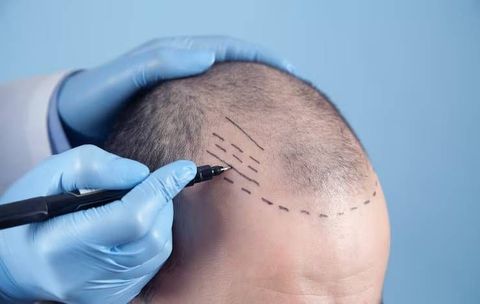
A hair transplant involves moving hair follicles from areas of the body where hair is abundant (usually the back or sides of the scalp) to areas experiencing thinning or baldness. The primary methods used for this are Follicular Unit Transplantation (FUT) and Follicular Unit Extraction (FUE). FUT involves removing a strip of skin with hair follicles from the donor site, while FUE extracts individual follicles. Each method has its advantages, and the choice often depends on the specific condition of the patient's hair loss and preferences.
FUT is generally preferred for patients who require a larger number of grafts. Since this technique involves removing an entire strip of scalp, it allows for a denser transplantation. This method may leave a linear scar, but it is usually concealed by the surrounding hair. On the other hand, FUE is ideal for those who prefer less invasive approaches. It results in minimal scarring, with small dots where the follicles were extracted. FUE is highly suitable for individuals who wish to wear shorter hairstyles, as the tiny scars are less noticeable.
An important aspect of hair transplant procedures is understanding who makes an ideal candidate. Generally, candidates should have a sufficient amount of healthy hair growth at the donor site. Ideal candidates are those who have managed to stabilize their hair loss and are in good general health. Age and the type of hair loss are also factors; individuals with pattern baldness may yield better results. Consulting with a qualified healthcare professional is crucial to assess these factors and the feasibility of the transplant.
Realistic expectations are key when considering a hair transplant. Prospective candidates need to understand that results vary from person to person and are influenced by factors such as the extent of hair loss, hair characteristics, and the skill level of the surgeon. While a transplant can dramatically improve appearance, it will not provide the same density as natural hair. The growth of transplanted hair typically begins within a few months, with the most noticeable improvements after around six to nine months post-surgery.
Furthermore, understanding the recovery process is an essential part of setting expectations. After the procedure, patients might experience mild discomfort, including swelling or redness, in both donor and recipient areas. It is important to follow post-operative care instructions to minimize the risk of complications and promote healing. Most individuals can return to their usual activities within a few days, although strenuous activities should be avoided for at least a week.
Long-term care and maintenance of the transplanted hair are equally important. Transplanted hair behaves like natural hair; hence, it is vital to maintain a healthy hair care routine. Although the transplanted follicles are more resilient to hair loss, surrounding hair may continue to thin over time. In some cases, additional treatments or repeated transplants might be necessary to achieve the desired outcome.
The costs associated with hair transplantation can vary widely based on several factors, including the clinic’s location, the surgeon's expertise, and the specific method used. It is advisable for potential patients to thoroughly research and consult several clinics to understand the costs involved. Transparency in pricing and clear communication with the healthcare provider can ensure that financial expectations align with the prospective results.
Moreover, like any surgical procedure, hair transplants carry potential risks and complications. These may include infection, scarring, patchy hair growth, and sometimes unnatural-looking results. Choosing the right surgeon is crucial to minimize risks; ensure they are certified professionals with a track record of successful procedures. Patient testimonials, before-and-after portfolios, and independent reviews can be valuable resources in evaluating surgeons.
In summary, hair transplants offer a viable solution for individuals seeking to counteract hair loss. As an intricate procedure, it requires careful consideration of the methods available, the suitability of candidates, and realistic expectations regarding outcomes and financial commitments. Equipped with this information, individuals can approach their choice with confidence, ensuring a satisfying path towards hair restoration and renewed self-esteem.
Disclaimer: The information provided in this article is for informational purposes only. We do not make any claims or guarantees regarding the accuracy, reliability, or completeness of the information presented. The content is not intended as professional advice and should not be relied upon as such. Readers are encouraged to conduct their own research and consult with appropriate professionals before making any decisions based on the information provided in this article.

Related Post...

Understanding Hair Transplants: Exploring Options, Candidates, and Expectations
Updated: November 27, 2026
Read More