Home Jewellery Machine Business Auto Blog Furniture Education Fashion Tech Finance Health Software Real Estate Travel

Understanding Automatic Injection Molding Machines: Discover Basics, Overview, Details, Advice, and Resources

Automatic injection molding machines are industrial manufacturing systems designed to produce plastic components with precision, consistency, and efficiency. These machines use automated processes to melt plastic materials, inject them into molds, cool the material, and release the finished product with minimal manual intervention.

The development of automatic injection molding technology was driven by the growing need for large-scale production of plastic parts used in industries such as automotive manufacturing, medical equipment production, consumer electronics, industrial machinery, packaging systems, and construction materials.

Today, automated molding technology supports the production of millions of identical parts while maintaining strict quality standards. Modern systems often integrate advanced manufacturing technologies such as industrial automation, robotics, process monitoring software, predictive maintenance systems, and Industrial Internet of Things (IIoT) connectivity.

Common products manufactured through automatic injection molding include:

  • Automotive components
  • Medical device housings
  • Electrical enclosures
  • Packaging containers
  • Industrial equipment parts
  • Consumer product components
  • Telecommunications equipment parts

The basic molding cycle consists of several stages:

StagePurpose
Material FeedingPlastic resin enters the machine
MeltingMaterial is heated to processing temperature
InjectionMolten plastic enters the mold cavity
CoolingMaterial solidifies into shape
EjectionFinished component is released
Repeat CycleProcess automatically starts again

Importance: Why Automatic Injection Molding Machines Matter Today

Automatic injection molding technology plays a significant role in modern manufacturing because industries increasingly require high-volume production, consistent quality, and operational efficiency.

Manufacturers rely on automation to reduce process variation and improve product uniformity. In sectors such as medical manufacturing and automotive engineering, precise dimensions and repeatable production processes are particularly important.

Key advantages associated with automatic molding systems include:

  • Improved production consistency
  • Enhanced process monitoring
  • Reduced material waste
  • Greater manufacturing efficiency
  • Better quality control capabilities
  • Increased operational reliability
  • Support for complex product designs

Several industries are directly affected by advancements in injection molding technology:

IndustryTypical Applications
Automotive ManufacturingInterior panels, connectors, dashboards
Medical EquipmentDevice housings, diagnostic components
Electronics ManufacturingConnectors, casings, circuit supports
Packaging IndustryContainers, closures, caps
ConstructionFittings, insulation components
Industrial EquipmentMechanical and structural parts

High-value manufacturing sectors frequently focus on topics such as:

  • Industrial automation systems
  • Manufacturing process optimization
  • Smart factory solutions
  • Precision engineering equipment
  • Industrial robotics integration
  • Production monitoring software
  • Quality assurance systems
  • Industrial IoT platforms

These areas often receive significant investment because they contribute to productivity improvements and operational performance.

Recent Updates: Trends and Developments in the Past Year

The injection molding industry has experienced notable developments during the past year as manufacturers continue adopting digital technologies and sustainability-focused practices.

Several trends observed during 2025 and 2026 include:

Increased Adoption of Smart Manufacturing

Manufacturing facilities are increasingly integrating Industry 4.0 technologies into molding operations. Smart sensors now collect real-time data related to temperature, pressure, cycle times, and machine performance.

These systems allow operators to identify production issues earlier and improve process stability.

Growth of Industrial Robotics

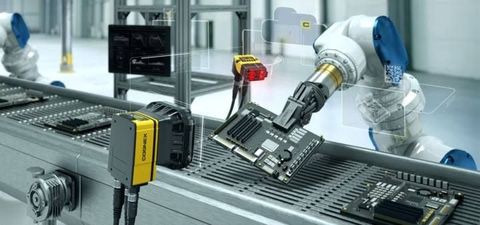
Automated robotic systems continue to become more common in molding facilities. Robots are often used for:

  • Part removal
  • Quality inspection
  • Packaging operations
  • Material handling
  • Secondary assembly processes

This trend supports greater production consistency and operational efficiency.

Focus on Energy Efficiency

Machine manufacturers have introduced newer electric and hybrid molding systems designed to improve energy management. Energy-efficient manufacturing has become a major consideration as facilities seek to reduce environmental impacts.

Expanded Use of Data Analytics

Advanced manufacturing analytics tools are increasingly used to monitor:

  • Machine performance
  • Predictive maintenance requirements
  • Product quality trends
  • Production efficiency indicators

The use of artificial intelligence and machine learning applications in industrial manufacturing continues to expand.

Sustainable Material Development

Research into recyclable and bio-based materials has continued throughout 2025 and 2026. Manufacturers are evaluating alternative materials that support environmental objectives while maintaining product performance requirements.

The following chart illustrates major industry focus areas:

Industry TrendRelative Industry Interest
Smart ManufacturingVery High
Industrial IoT IntegrationVery High
Robotics AutomationHigh
Predictive MaintenanceHigh
Sustainable MaterialsHigh
AI-Based AnalyticsGrowing
Digital Quality ControlGrowing

Laws or Policies: Regulatory and Compliance Considerations

Automatic injection molding operations are affected by various regulations and industry standards depending on the country and manufacturing sector.

Regulatory requirements often focus on:

  • Workplace safety
  • Environmental compliance
  • Product quality standards
  • Energy efficiency requirements
  • Waste management practices
  • Equipment safety procedures

Manufacturing facilities frequently follow occupational safety regulations governing machine operation, employee protection, and industrial risk management.

Common regulatory areas include:

Compliance AreaPurpose
Workplace Safety StandardsProtect personnel
Environmental RegulationsManage emissions and waste
Equipment Safety RequirementsReduce operational hazards
Product Quality StandardsMaintain consistency
Material Traceability RulesImprove accountability

In many regions, manufacturers also participate in government-supported initiatives that encourage:

  • Industrial modernization
  • Digital transformation
  • Energy-efficient manufacturing
  • Smart factory adoption
  • Advanced manufacturing research

Industries producing medical devices, automotive components, or electrical equipment may be subject to additional technical standards and certification requirements.

Organizations often maintain documentation systems to support regulatory compliance and quality management objectives.

Tools and Resources

A variety of digital tools and resources help professionals understand and manage injection molding operations more effectively.

Useful categories include:

Process Simulation Software

Simulation platforms help engineers evaluate:

  • Mold filling behaviour
  • Cooling performance
  • Material flow patterns
  • Design optimization opportunities

Examples include:

  • Autodesk Moldflow
  • Moldex3D
  • SolidWorks Plastics

Manufacturing Analytics Platforms

These systems monitor production performance and operational efficiency.

Common functions include:

  • Cycle time analysis
  • Quality monitoring
  • Predictive maintenance tracking
  • Production reporting

CAD and Engineering Design Tools

Design software supports product development and mold engineering activities.

Examples include:

  • AutoCAD
  • SolidWorks
  • CATIA
  • Siemens NX

Industrial Automation Platforms

Automation systems assist with:

  • Machine control
  • Robotics integration
  • Process monitoring
  • Production management

Educational Resources

Professionals often use:

  • Manufacturing engineering publications
  • Industry association websites
  • Technical standards databases
  • Engineering training materials
  • Industrial technology conferences

The table below summarizes useful resource categories:

Resource TypeTypical Purpose
CAD SoftwareProduct design
Mold Simulation ToolsProcess analysis
Analytics PlatformsPerformance monitoring
Robotics SystemsAutomation support
Standards DatabasesCompliance guidance
Engineering PublicationsIndustry knowledge

Frequently Asked Questions

What is an automatic injection molding machine?

An automatic injection molding machine is a manufacturing system that automatically melts plastic material, injects it into a mold, cools the product, and ejects the finished part with limited manual involvement.

Which industries commonly use injection molding technology?

Industries such as automotive manufacturing, medical equipment production, electronics manufacturing, industrial machinery, telecommunications, packaging, and construction frequently use injection molding processes.

What materials can be processed in injection molding machines?

Many thermoplastic materials can be processed, including polypropylene, polyethylene, ABS, polycarbonate, nylon, and engineering-grade plastics designed for industrial applications.

How does automation improve injection molding operations?

Automation can improve consistency, process monitoring, production efficiency, quality control, and manufacturing reliability while supporting large-scale production requirements.

What is the role of Industrial IoT in injection molding?

Industrial IoT technology enables connected machines to collect and share operational data. This supports predictive maintenance, performance monitoring, process optimization, and manufacturing analytics.

Conclusion

Automatic injection molding machines have become an essential part of modern manufacturing because they support efficient, repeatable, and high-precision production processes. Their applications extend across automotive manufacturing, medical equipment production, electronics manufacturing, packaging systems, and industrial engineering.

Recent developments in smart manufacturing, industrial automation, robotics integration, predictive maintenance, and Industrial IoT technologies continue to influence the industry. At the same time, regulatory requirements related to safety, environmental compliance, and quality management remain important considerations for manufacturing organizations.

As digital manufacturing technologies continue to evolve, automatic injection molding systems are expected to remain a critical component of advanced production environments. Understanding their operation, industry applications, emerging trends, and available resources can help individuals develop a clearer understanding of this important manufacturing technology sector.


author-image

Harshit Sharma

We are a performance-driven media buying team focused on scaling brands through smart, data-backed advertising strategies

July 29, 2026 . 9 min read

Business