Textile Waste Recycling Machines: Insights Into Efficient Textile Recovery Solutions
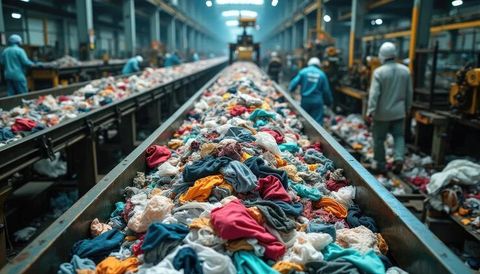
Textile waste recycling machines are industrial systems designed to process discarded fabrics, garments, yarn, and textile production scraps into reusable fibers or other materials. These machines support textile waste management by reducing the amount of fabric sent to landfills and helping manufacturers recover valuable raw materials.
Textile waste comes from several sources, including clothing production, garment cutting, spinning mills, weaving facilities, household textiles, and discarded garments. Some waste consists of clean cotton scraps, while other materials contain mixed fibers, dyes, coatings, buttons, zippers, or synthetic components. The composition of the waste determines which recycling method is suitable.
How Textile Recycling Equipment Works
Textile recycling generally involves several stages, although the exact process varies according to the material and intended output.
Sorting: Separates textile waste by fiber type, color, condition, and composition.
Cutting and shredding: Reduces fabrics and garments into smaller pieces.
Fiber opening: Separates fabric structures into individual or smaller fiber bundles.
Cleaning and preparation: Removes selected contaminants and unwanted components.
Fiber processing: Prepares recovered fibers for reuse in yarn, nonwoven fabrics, insulation, or other applications.
Pelletizing or chemical recovery: In suitable processes, converts synthetic textile waste into feedstock or other reusable materials.
For example, a cotton spinning mill may use a textile waste shredder and fiber opener to recover production scraps. A facility processing polyester garments may require a different approach, particularly when the material is intended for chemical recycling.
Main Types of Textile Waste Recycling Machines
Mechanical textile recycling machines cut, shred, and open fabric to recover fibers. They are commonly used for cotton, wool, denim, and selected synthetic textiles. The recovered fibers may be shorter than the original fibers, which can influence their next application.
Textile shredders and cutting machines reduce large fabric pieces, clothing, and manufacturing waste into manageable sizes. Their cutting systems must match the thickness, strength, and composition of the incoming material.
Fiber opening machines loosen compressed or entangled textile material to produce fibers suitable for further processing. These machines are important in cotton waste recycling and reclaimed fiber preparation.
Chemical textile recycling systems use chemical processes to break selected polymers or fibers into reusable chemical building blocks. Certain polyester and cellulose-based materials can be processed this way, depending on their composition and the technology used.
Automated textile sorting systems use sensors, imaging, or other identification methods to distinguish materials. Better sorting can help reduce contamination and improve the consistency of recycled outputs.
Importance of Textile Waste Recycling Machines
Textile waste recycling machines are becoming increasingly relevant as manufacturers, clothing producers, and waste management organizations look for practical ways to recover materials. Recycling can reduce landfill disposal, conserve selected raw materials, and support more circular textile production.
Environmental and Industrial Benefits
Textile recycling can help address several environmental challenges:
Waste reduction: Diverts suitable textile scraps and discarded fabrics from disposal.
Resource conservation: Recovered fibers can reduce demand for some virgin textile materials.
Material recovery: Converts selected production waste into fibers or feedstock for further manufacturing.
Improved waste management: Helps textile facilities organize and process fabric remnants more efficiently.
Circular manufacturing: Supports the movement of recovered textile materials back into production.
The environmental benefits depend on the material being processed, the energy and water used, the quality of the recovered output, and the final destination of recycled materials.
Challenges in Textile Recycling
Not all textiles can be processed using the same equipment. Blended fabrics containing cotton and polyester can be difficult to separate because their fibers have different properties.
Other challenges include dyes, chemical finishes, elastane, zippers, buttons, and contamination. Mechanical recycling can also shorten fibers, which may limit their suitability for producing fine yarn.
For these reasons, effective textile waste management begins with material identification and sorting before selecting appropriate recycling machinery.
Recent Developments in Textile Recycling Technology
During 2025 and 2026, textile recycling gained further attention through research into automated sorting, fiber-to-fiber recycling, and circular manufacturing systems.
Automated Sorting and Artificial Intelligence
Modern textile sorting systems increasingly use optical sensors, near-infrared technology, cameras, and machine learning to identify textile compositions. These systems can help distinguish certain fiber types and separate unsuitable materials before processing.
Automation may improve sorting consistency and reduce manual handling. However, performance depends on the materials, identification methods, and operating conditions.
Advances in Fiber-to-Fiber Recycling
Fiber-to-fiber recycling aims to convert discarded textiles into fibers suitable for manufacturing new textile products. In July 2025, the European T-REX project published a roadmap addressing the challenges of scaling textile-to-textile recycling, including material sorting, feedstock quality, and pre-processing.
Research also continues into recycling mixed fabrics and recovering fibers through mechanical, chemical, and biological processes. These approaches have different technical requirements and environmental impacts.
Digital Tracking and Circular Textile Systems
Digital identification and material tracking are emerging as tools for understanding textile composition and improving recycling decisions. Better information about fiber content, dyes, and finishing treatments can help recyclers choose suitable processing methods.
In January 2026, the European TexMat project announced work on a textile return system combining collection technology, material identification, and digital information. Such initiatives demonstrate growing interest in connecting textile collection with sorting and recycling infrastructure.
Laws and Policies Affecting Textile Recycling
Textile recycling machinery operates within broader environmental, waste management, and industrial regulations. Requirements vary by country and may cover waste segregation, factory emissions, wastewater, worker safety, and the handling of recovered materials.
Textile Recycling Regulations in India
India's textile recycling activities are influenced by several legal and policy frameworks.
Environment (Protection) Act, 1986: Establishes a broad framework for environmental protection and pollution control.
Water (Prevention and Control of Pollution) Act, 1974: Relevant to textile recycling operations that discharge wastewater, including certain washing and chemical processing activities.
Air (Prevention and Control of Pollution) Act, 1981: Relevant where recycling processes generate regulated air emissions.
Solid Waste Management Rules: Provide waste management requirements within their applicable scope. Industrial textile waste may also fall under other applicable rules, permissions, and state-level requirements.
National textile and circular economy initiatives: Government programs and research activities increasingly emphasize resource recovery, recycled fibers, and improved waste management.
In August 2026, India's Ministry of Textiles described the Tex-Eco Initiative announced in the Union Budget 2026–27. The initiative aims to support sustainable textile production, recycling technologies, recovered fibers, and other materials derived from discarded textiles.
The precise requirements for a recycling facility depend on its activities, location, waste streams, and processing methods. Operators should confirm applicable permissions and standards with the relevant authorities.
European Union Policy Developments
The revised European Union Waste Framework Directive entered into force on October 16, 2025. It establishes a framework for extended producer responsibility for textiles and footwear, requiring EU Member States to develop national systems for managing these waste streams.
The EU also continues to advance textile circularity through separate collection, improved recycling capacity, and product design measures. These policies can influence demand for sorting equipment, textile shredders, fiber recovery machinery, and recycling infrastructure.
Tools and Resources for Textile Recycling Planning
Selecting textile waste recycling machinery requires information about the waste stream, desired output, available space, and production requirements.
Useful Assessment Tools
Textile composition analysis: Helps identify cotton, polyester, wool, and blended fabrics.
Waste characterization worksheets: Record the type, quantity, contamination, and origin of textile waste.
Production capacity calculators: Estimate processing throughput based on operating hours and expected material flow.
Energy monitoring tools: Track electricity consumption during shredding, opening, and other processing stages.
Quality inspection templates: Record recovered fiber length, contamination, moisture, and other relevant properties.
Environmental assessment tools: Help evaluate energy use, emissions, water consumption, and waste generation.
The table below illustrates common equipment selection considerations.
Equipment | Suitable input | Main output |
|---|---|---|
Fabric cutting machine | Large fabric pieces | Smaller textile sections |
Textile shredder | Garments and fabric scraps | Shredded textile material |
Fiber opening machine | Shredded or compressed textiles | Opened fiber bundles |
Automated sorting equipment | Mixed textile waste | Separated material streams |
Chemical recycling equipment | Selected compatible fibers or polymers | Recovered chemical feedstock |
Dust extraction system | Airborne textile particles | Captured dust and lint |
Before selecting equipment, facilities should evaluate the desired fiber quality, processing capacity, maintenance requirements, noise, dust control, and worker safety. Pilot testing can help establish whether a particular textile stream is suitable for the intended recycling process.
Frequently Asked Questions
What are textile waste recycling machines used for?
They process discarded fabrics, garments, yarn, and production scraps into reusable fibers or other materials. Depending on the equipment, the process may include cutting, shredding, sorting, fiber opening, or chemical treatment.
Which machine is suitable for cotton textile waste?
Cotton waste is often processed using textile shredders and fiber opening machines. The appropriate configuration depends on the waste's condition, fiber length, contamination, and intended use of the recovered material.
Can textile recycling machines process blended fabrics?
Some systems can process blended fabrics, but separating different fibers can be technically challenging. Mechanical recycling may recover mixed fibers, while selected chemical processes can target particular polymers or cellulose-based materials. Suitability depends on the blend and the recycling technology.
What factors determine textile recycling machine capacity?
Capacity depends on the machine design, material type, fabric thickness, moisture, contamination, operating speed, and required output quality. Actual throughput may differ from the manufacturer's rated capacity under different operating conditions.
How does textile recycling support a circular economy?
Textile recycling can return recovered materials to manufacturing, reducing the need for some virgin resources and limiting waste disposal. Its effectiveness depends on material quality, processing efficiency, environmental impacts, and whether the recovered output can be used in subsequent production.
Conclusion
Textile waste recycling machines are important tools for improving textile waste management and recovering materials from discarded fabrics and manufacturing scraps. Shredders, fiber opening machines, automated sorting systems, and advanced chemical recycling technologies address different stages of the recycling process.
Developments in artificial intelligence, material identification, and fiber-to-fiber recycling are creating new opportunities for textile recovery. Meanwhile, environmental regulations and circular economy initiatives are encouraging greater attention to waste segregation, resource efficiency, and responsible processing.
Successful textile recycling requires appropriate machinery, reliable material identification, effective quality control, and compliance with applicable regulations. By combining these elements, textile manufacturers and recycling facilities can improve material recovery and contribute to more sustainable textile production.

Related Post...
Insights Into Tyre Building Machines and Innovations in Industrial Manufacturing
Updated: October 28, 2026
Read More
MIG Welding Machines Guide: Understanding Processes, Equipment, and Key Components
Updated: October 26, 2026
Read More
Plastic Welding Machines: Tips for Understanding Methods and Equipment
Updated: October 26, 2026
Read More