Tata Motors Cars Guide: EV Technology, Safety Features, and Maintenance Information
Tata Motors is one of India's leading automobile manufacturers, producing passenger cars, sport utility vehicles (SUVs), electric vehicles (EVs), and commercial vehicles. The company is recognized for developing vehicles that combine modern technology, safety, fuel efficiency, and practical features suitable for a wide range of driving conditions.
In recent years, Tata Motors has expanded its portfolio of electric vehicles while continuing to introduce advanced safety technologies, connected vehicle features, and improved powertrain options across its lineup. Understanding EV technology, safety features, and maintenance practices helps drivers and vehicle owners better understand how modern Tata vehicles are designed to support everyday transportation.
This guide explains Tata vehicle technologies, electric mobility, safety systems, maintenance recommendations, recent developments, and useful ownership resources using simple and educational language.
Context
Tata Motors manufactures a diverse range of vehicles, including hatchbacks, sedans, SUVs, electric vehicles, and commercial vehicles. Popular passenger models include the Tiago, Tigor, Altroz, Punch, Nexon, Harrier, Safari, and their electric variants. These vehicles are designed to meet different transportation needs, from daily commuting and family travel to long-distance driving.
The company has become one of India's prominent manufacturers in the electric mobility segment through the introduction of EV models equipped with lithium-ion battery systems, regenerative braking, connected technologies, and intelligent battery management systems.
Modern Tata vehicles also incorporate advanced engineering features such as electronic stability control, multiple airbags, touchscreen infotainment systems, connected vehicle technology, driver-assistance features, and improved crash protection. Understanding these technologies helps owners operate and maintain their vehicles according to manufacturer recommendations.
Popular Tata Vehicle Categories
| Vehicle Category | Primary Purpose | Popular Models |
|---|---|---|
| Hatchback | City commuting | Tiago, Altroz |
| Sedan | Family transportation | Tigor |
| Compact SUV | Daily driving | Punch, Nexon |
| Mid-Size SUV | Family travel | Harrier |
| Premium SUV | Long-distance travel | Safari |
| Electric Hatchback | Urban mobility | Tiago EV |
| Electric SUV | Electric transportation | Nexon EV, Punch EV, Curvv EV |
Different Tata vehicles are designed to meet varying driving preferences, passenger capacity requirements, and mobility needs.
Tata Motors vehicles have become an important part of India's passenger vehicle market by offering a combination of safety, practicality, modern technology, and expanding electric mobility options. The company manufactures vehicles for a wide range of driving requirements, including daily commuting, family transportation, long-distance travel, and commercial applications.
Tata vehicles are widely used by:
- Daily commuters
- Families
- First-time vehicle owners
- Business professionals
- Fleet operators
- Ride-sharing drivers
- Rural and urban consumers
- Electric vehicle adopters
Modern Tata vehicles incorporate technologies that support efficiency, passenger comfort, and road safety. Understanding vehicle systems, maintenance schedules, and EV technology helps owners maintain reliable performance throughout the vehicle's operating life.
Many buyers compare Tata vehicles based on:
- Electric vehicle technology
- Battery range
- Safety ratings
- Vehicle performance
- Ground clearance
- Interior technology
- Connected features
- Maintenance requirements
- Charging options
- Long-term reliability
Evaluating these factors helps drivers select a vehicle that aligns with their transportation needs and driving conditions.
EV Technology
Tata Motors has expanded its electric mobility portfolio with battery-electric vehicles (EVs) that use lithium-ion battery technology, regenerative braking, and intelligent battery management systems. These technologies are designed to improve energy efficiency, support smoother driving, and reduce tailpipe emissions.
The main components of Tata EV technology include:
- High-voltage lithium-ion battery
- Electric motor
- Battery Management System (BMS)
- Power electronics controller
- Regenerative braking system
- On-board charger
- DC fast charging compatibility
- Thermal management system
These systems work together to deliver efficient power while monitoring battery performance, charging, and energy usage.
Benefits of EV Technology
- Zero tailpipe emissions during driving
- Lower energy consumption compared with conventional fuel-powered vehicles
- Smooth and quiet driving experience
- Regenerative braking for improved energy recovery
- Reduced routine maintenance due to fewer moving powertrain components
- Smart charging and connected vehicle capabilities
Tata Motors also continues expanding connected EV features through mobile applications that provide battery status, charging information, vehicle location, and remote vehicle functions.
Safety Features
Modern Tata passenger vehicles include a range of active and passive safety technologies that support occupant protection and driver awareness.
Common safety features include:
- Electronic Stability Program (ESP)
- Anti-lock Braking System (ABS) with Electronic Brakeforce Distribution (EBD)
- Multiple Airbags
- Traction Control
- Hill Hold Control
- Rear Parking Camera
- 360-degree Camera (selected models)
- Blind Spot Monitoring (selected models)
- ISOFIX Child Seat Anchors
- Tire Pressure Monitoring System (TPMS)
- Emergency SOS Calling
- Electronic Brake Assist
Several recent Tata EV models have expanded their safety equipment with additional driver-assistance technologies, while models such as the Punch EV have also achieved high Bharat NCAP safety ratings.
Recent Updates
Throughout 2025 and 2026, Tata Motors has continued expanding its passenger vehicle and EV portfolio with new technologies, improved safety systems, and connected mobility features.
Recent developments include:
- Introduction of additional ADAS (Advanced Driver Assistance Systems) features on selected EV models, including the Nexon.ev.
- Continued expansion of Tata's electric vehicle lineup with updated Punch.ev and other EV offerings featuring improved charging capability and battery assurance.
- Enhanced connected-car technologies providing remote vehicle monitoring, diagnostics, charging information, and safety notifications.
- Continued focus on Bharat NCAP crash safety, with newer EV models receiving strong crash-test performance.
- Growth in Tata Motors' passenger vehicle business, supported by increasing adoption of electric vehicles and new product introductions.
Tata Vehicle Comparison
| Vehicle Type | Powertrain | Typical Use | Best For |
|---|---|---|---|
| Hatchback | Petrol / CNG / EV | City driving | Daily commuting |
| Sedan | Petrol / CNG / EV | Family transportation | Urban and highway travel |
| Compact SUV | Petrol / Diesel / EV | Everyday driving | Families and mixed road conditions |
| Mid-Size SUV | Diesel / Petrol | Long-distance travel | Larger families |
| Electric Hatchback | Battery Electric | Urban mobility | Short to medium daily travel |
| Electric SUV | Battery Electric | City and highway driving | Drivers seeking electric mobility |
Maintenance Information
Regular maintenance helps Tata Motors vehicles deliver reliable performance, improve efficiency, and support long-term durability. Following the maintenance schedule provided in the owner's manual allows important vehicle systems to be inspected and maintained according to manufacturer recommendations.
Routine maintenance not only helps improve driving performance but also assists in identifying normal wear before it affects major vehicle components. Whether the vehicle uses a petrol, diesel, CNG, or electric powertrain, periodic inspections contribute to smoother operation and improved safety.
Common maintenance activities include:
- Engine oil and oil filter replacement (ICE vehicles)
- Tire rotation and wheel balancing
- Brake system inspection
- Battery condition inspection
- Coolant level inspection
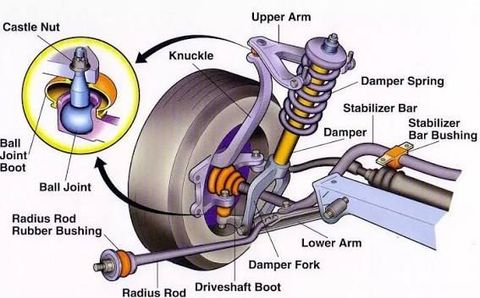
- Suspension and steering inspection
- Air filter replacement
- Cabin air filter inspection
- Windshield wiper replacement
- Transmission fluid inspection (where applicable)
- Multi-point vehicle inspection
- High-voltage battery inspection (EV models)
- Charging port inspection (EV models)
Maintaining service records also helps owners monitor scheduled inspections and recommended maintenance intervals throughout the vehicle's life.
Recommended Maintenance Areas
| Maintenance Item | Primary Purpose | Typical Inspection Frequency* |
|---|---|---|
| Engine Oil | Lubricates engine components | Follow owner's manual |
| Brake System | Maintains braking efficiency | Scheduled maintenance |
| Tire Rotation | Promotes even tire wear | Periodic intervals |
| Battery | Supports electrical systems | Regular inspection |
| Coolant | Controls engine temperature | Follow maintenance schedule |
| Air Filter | Maintains clean airflow | Periodic inspection |
| EV Battery System | Monitors battery health | EV models only |
| Charging Equipment | Ensures proper charging | EV models only |
*Maintenance intervals vary depending on vehicle model, driving conditions, and manufacturer recommendations.
Laws or Policies
Tata Motors vehicles sold in India are manufactured in accordance with automotive regulations established by the Government of India and recognized industry standards. These regulations focus on vehicle safety, emissions, manufacturing quality, and environmental sustainability.
Important regulations and standards include:
- Bharat Stage VI (BS VI) emission standards
- Central Motor Vehicles Rules (CMVR)
- Automotive Industry Standards (AIS)
- Bharat New Car Assessment Programme (Bharat NCAP) safety evaluations
- Bureau of Indian Standards (BIS) quality standards
- Ministry of Road Transport and Highways (MoRTH) vehicle regulations
Electric vehicles are also supported by national policies that encourage cleaner mobility, charging infrastructure development, and adoption of advanced vehicle technologies.
Vehicle manufacturers may issue service campaigns, software updates, or safety recalls whenever engineering improvements or safety-related corrections become necessary. Owners can verify applicable recalls using their Vehicle Identification Number (VIN) through official Tata Motors channels.
Tools and Resources
Several resources help Tata vehicle owners understand maintenance schedules, vehicle technologies, and safety information.
Useful resources include:
- Tata Motors Owner's Manual
- Tata Motors maintenance schedule
- Vehicle Identification Number (VIN) lookup
- Connected vehicle mobile application
- EV charging station locator
- Tire pressure reference charts
- Battery health information
- Vehicle recall information
- Digital service history
- Multi-point inspection checklist
- OBD-II diagnostic scanner
- Wheel alignment guide
- Brake inspection checklist
- Fuel efficiency monitoring tools
- EV charging best-practice guides
Many Tata vehicles equipped with connected technologies also allow owners to monitor selected vehicle information, maintenance reminders, charging status, battery health (EVs), driving statistics, and vehicle location through compatible mobile applications.
Frequently Asked Questions
What is Tata EV technology?
Tata EV technology combines a lithium-ion battery, electric motor, regenerative braking system, battery management system, and power electronics to power the vehicle efficiently without producing tailpipe emissions during driving.
What safety features are available in Tata Motors vehicles?
Depending on the model, Tata vehicles may include:
- Electronic Stability Program (ESP)
- Multiple airbags
- ABS with EBD
- Hill Hold Control
- Tire Pressure Monitoring System (TPMS)
- Rear parking camera
- 360-degree camera
- ISOFIX child seat anchors
- Emergency SOS
- Advanced Driver Assistance Systems (selected models)
How often should a Tata vehicle be serviced?
Service intervals differ by model and driving conditions. Owners should always follow the maintenance schedule published in the official Tata Motors owner's manual for their specific vehicle.
How is maintenance different for electric vehicles?
Electric vehicles generally require fewer routine powertrain maintenance tasks because they have fewer moving mechanical components. However, periodic inspections of the high-voltage battery, charging system, brakes, suspension, tires, and software remain important.
How can owners check whether their Tata vehicle has a safety recall?
Owners can use their Vehicle Identification Number (VIN) through official Tata Motors communication channels to determine whether any recall campaigns, technical updates, or service actions apply to their vehicle.
Conclusion
Tata Motors has established itself as one of India's leading automobile manufacturers by offering vehicles that combine modern design, practical performance, advanced safety technologies, and an expanding portfolio of electric vehicles. From compact hatchbacks to premium SUVs and battery-electric models, Tata continues to support the changing mobility needs of Indian drivers.
Understanding EV technology, vehicle safety features, and maintenance information enables owners to make informed decisions about vehicle operation and long-term care. Following recommended maintenance schedules, staying informed about software updates and safety campaigns, and understanding key vehicle systems all contribute to improved reliability, efficiency, and driving confidence.
As automotive technology continues to evolve throughout 2025 and 2026, Tata Motors continues investing in electric mobility, connected vehicle technologies, intelligent safety systems, and sustainable manufacturing. Learning about these innovations, together with applicable regulations and maintenance practices, provides a strong foundation for understanding modern Tata vehicles and supporting safe, efficient, and dependable vehicle ownership.

Related Post...
Electric Vehicle Charging Infrastructure Guide: Charging Networks, Site Planning, and Operations
Updated: September 14, 2026
Read More
Honda Genuine Parts Guide: OEM Component, Vehicle Care, or Warranty Information
Updated: September 18, 2026
Read More
Honda Genuine Components Information: Engine Parts, Brake Components, or Vehicle Care
Updated: August 27, 2026
Read More