Mobility Scooter Guide: Accessibility Technology, Features, and Selection Tips
Mobility scooters are powered mobility devices designed to support people who have difficulty walking or standing for extended periods. They are commonly used indoors, outdoors, and in community environments, depending on the design and operating conditions.
Different mobility scooters can vary in size, seating configuration, controls, maneuverability, battery systems, and accessibility features. Understanding these differences can make it easier to compare options based on individual mobility needs and surroundings.
Why Mobility Scooters Matter
Reduced mobility can affect everyday activities such as navigating buildings, traveling through larger spaces, or moving around outdoor areas. Mobility technology can provide another option for people who need additional support with movement.
Important considerations include:
Indoor maneuverability and turning radius
Seating position and adjustability
Control placement and ease of operation
Battery range and charging requirements
Ground clearance for outdoor environments
Transport and storage requirements
Weight capacity and overall dimensions
Common Mobility Scooter Types
Mobility scooters are available in several general configurations.
Travel Scooters: Compact designs intended for portability and easier transportation.
Three-Wheel Scooters: Often designed with a tighter turning radius, which can be useful in indoor environments.
Four-Wheel Scooters: Typically provide a broader wheelbase and may provide additional stability for certain outdoor conditions.
Heavy-Duty Scooters: Larger models may have higher weight capacities and additional features for specific mobility requirements.
The appropriate configuration depends on the user's environment, physical abilities, transportation needs, and guidance from qualified healthcare or mobility professionals.
Key Accessibility Features
Accessibility technology can make mobility equipment easier to operate and integrate into daily routines.
Common features include:
Adjustable seats and armrests
Easy-to-use steering controls
Battery indicators and electronic displays
Adjustable tillers
Suspension systems
Headlights and rear lights
Reflectors and indicators
Storage compartments
Anti-tip wheels
Swivel seating on selected models
Some newer mobility devices may also incorporate digital displays, connectivity features, or electronic monitoring systems. Feature availability varies by model.
Safety and Accessibility Considerations
Safe operation depends on both the equipment and the environment where it is used.
Users should consider:
Whether doorways and corridors provide adequate clearance
Whether ramps and slopes are appropriate for the equipment
Surface conditions and potential obstacles
Visibility in low-light environments
Battery charging and storage requirements
Local rules for mobility devices
The user's ability to operate steering and braking controls
Training and professional assessment may be particularly useful for individuals who are unfamiliar with powered mobility equipment.
Laws, Policies, and Accessibility
In the United States, mobility devices can be affected by accessibility and transportation rules. The Americans with Disabilities Act (ADA) includes provisions concerning mobility devices and accessibility in public environments.
The U.S. Access Board also provides accessibility standards and guidance for the built environment.
Rules can differ depending on whether a scooter is being used on sidewalks, public transportation, private property, or other locations. Local requirements should therefore be checked before regular community use.
Technology and Mobility Trends
Accessibility technology continues to evolve through improvements in battery systems, electronic controls, seating ergonomics, and compact designs.
Developments in mobility technology may include:
More efficient battery management
Improved electronic control systems
Portable mobility designs
Enhanced lighting and visibility features
Adjustable ergonomic components
Digital battery and diagnostic displays
Integration with broader accessibility equipment
Technology should be evaluated based on practical usefulness rather than the number of features included.
Tools and Resources
Several resources can help people understand mobility equipment and accessibility requirements.
Useful resources include:
U.S. Access Board accessibility information
ADA.gov accessibility guidance
Manufacturer specifications and user manuals
Mobility assessment resources
Transportation accessibility information
Battery maintenance documentation
Professional rehabilitation and mobility guidance
A qualified healthcare or rehabilitation professional can help assess mobility requirements when equipment selection is affected by physical limitations or medical considerations.
FAQs
What is a mobility scooter?
A mobility scooter is a powered mobility device designed to assist people who have difficulty walking or standing for extended periods.
What is the difference between three-wheel and four-wheel scooters?
Three-wheel designs generally emphasize maneuverability, while four-wheel designs provide a wider wheelbase. The better choice depends on the intended environment and individual needs.
Can mobility scooters be used indoors?
Some compact models are designed for indoor environments. Doorway width, turning space, flooring, and obstacle clearance should be considered.
How should a mobility scooter be selected?
Consider the user's mobility needs, intended environment, dimensions, seating, controls, battery requirements, transportation needs, and applicable accessibility rules.
Does every mobility scooter have the same features?
No. Features such as suspension, lighting, adjustable seating, storage, displays, and portability vary between designs.
Conclusion
Mobility scooters combine powered mobility with accessibility-focused design to support movement in a range of environments. Understanding scooter types, controls, dimensions, battery systems, safety features, and accessibility requirements can help users make more informed decisions.
The most appropriate equipment depends on individual mobility requirements and the environments where it will be used. Professional guidance can be valuable when physical limitations or accessibility concerns affect the selection process.

Related Post...
Honda OEM Transmission Guide: Genuine Components, Drivetrain Systems, and Vehicle Care
Updated: August 31, 2026
Read More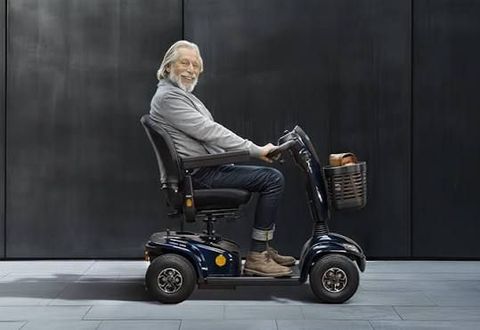
Mobility Scooter Guide: Accessibility Technology, Features, and Selection Tips
Updated: September 07, 2026
Read More
Toyota OEM Suspension Guide: Genuine Chassis Components, Vehicle Systems, and Maintenance
Updated: August 31, 2026
Read More