Switzerland Tour Package: Explore Alpine Beauty and Unforgettable Swiss Experiences
Switzerland is known for its snow-covered mountains, clear lakes, scenic railway journeys, traditional villages, and well-organized transport network.
Located in central Europe, the country offers a variety of experiences for travelers who enjoy nature, outdoor activities, cultural attractions, and peaceful landscapes.
Planning a trip involves more than choosing destinations. Travelers need to consider the season, travel time between locations, accommodation, transport arrangements, and activities that match their interests. A Switzerland Tour Package can bring several of these elements together, helping visitors organize their journey according to their available time and travel preferences.
Some travelers prefer exploring mountain regions, while others enjoy historic towns, lakeside walks, museums, and local food. Understanding Switzerland's main destinations and travel options can help visitors prepare a balanced itinerary and make informed decisions before departure.
Why Switzerland Attracts Travelers
Switzerland combines varied landscapes with cultural diversity. The country has four national languages: German, French, Italian, and Romansh. Local traditions, architecture, and cuisine differ between regions, creating distinct experiences within a relatively small geographical area.
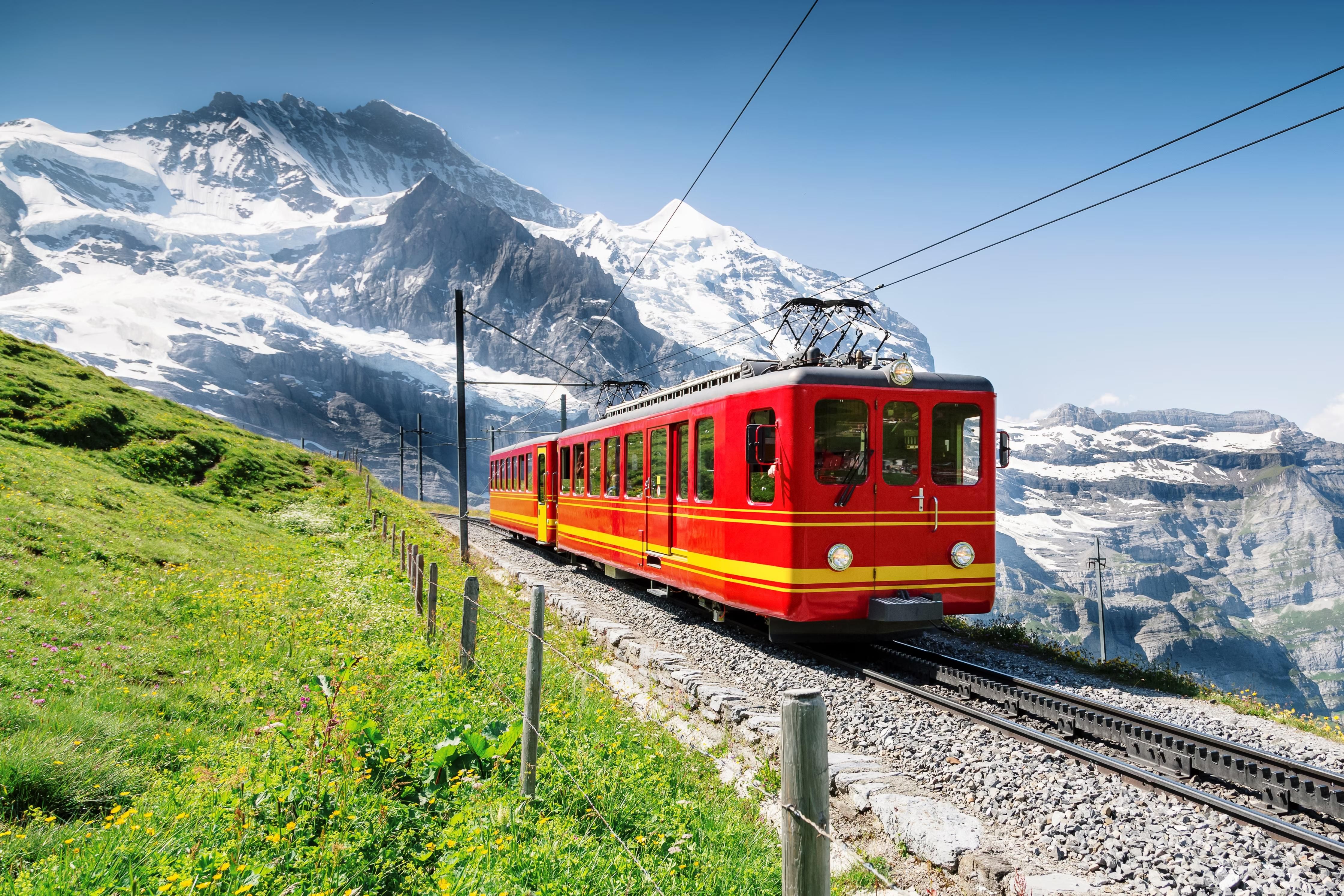
The Swiss Alps are a major attraction for visitors interested in mountain scenery. During warmer months, walking trails, cable cars, and mountain railways provide access to viewpoints and alpine villages. In winter, selected mountain areas become popular for skiing, snowboarding, and other snow activities.
Cities such as Zurich, Geneva, and Lucerne provide a different experience through museums, historic streets, shopping districts, and lakeside promenades. Travelers can combine urban visits with countryside excursions without spending their entire trip in one type of setting.
Switzerland's railway network also makes it possible to explore several regions in one journey. However, travel times, seasonal schedules, and connections should be checked before planning activities.
Popular Destinations to Include in a Switzerland Tour Package
1. Zurich: Culture and City Exploration
<PRIVATE_PERSON> is one of Switzerland's main urban centers and an important starting point for many international visitors. The city combines historic streets with modern architecture, museums, restaurants, and a waterfront along Lake Zurich.
Travelers can walk through the Old Town, explore Bahnhofstrasse, or spend time beside the lake. The Swiss National Museum provides an introduction to the country's cultural history, while nearby viewpoints offer perspectives across the city.
Zurich can suit travelers who want to adjust after a long flight before continuing toward mountain destinations. Visitors should allow enough time for transport connections and avoid scheduling too many activities on arrival day.
2. Lucerne: Lakeside Scenery and Historic Streets
Lucerne is known for its lake, mountain surroundings, and preserved historic center. Chapel Bridge, the Water Tower, and the Old Town are among the city's familiar landmarks.
A walk along the waterfront provides views of the surrounding mountains, while boat journeys on Lake Lucerne allow visitors to experience the landscape from the water. Depending on the season and weather, nearby mountain excursions may also be available.
Lucerne can work well as a base for travelers who want to combine a compact city visit with outdoor sightseeing. Checking boat timetables and mountain transport schedules in advance helps make daily plans more manageable.
3. Interlaken: A Gateway to Alpine Adventures
Interlaken lies between Lake Thun and Lake Brienz and is surrounded by mountain scenery. It is commonly used as a base for exploring the Jungfrau region, including nearby villages such as Lauterbrunnen and Grindelwald.
Visitors can enjoy lakeside walks, scenic train journeys, cable-car excursions, and outdoor activities. Depending on weather conditions and local operating schedules, options may include hiking, paragliding, or guided mountain experiences.
Interlaken is particularly suitable for travelers who want to spend several days exploring the surrounding countryside. Mountain weather can change quickly, so flexible plans and appropriate clothing are important.
4. Zermatt and the Matterhorn
Zermatt is a mountain village associated with views of the Matterhorn, one of the Alps' most recognizable peaks. The area attracts visitors interested in mountain photography, hiking, skiing, and alpine rail journeys.
The Gornergrat railway provides access to elevated viewpoints, subject to operating conditions. Walking through Zermatt also gives visitors an opportunity to experience its village atmosphere and traditional architecture.
Zermatt is generally reached by rail, and private car access is restricted in the village. Travelers should check connections and luggage arrangements when planning their stay.
5. Geneva: International Culture and Lake Views
Geneva sits beside Lake Geneva near the French border. The city is known for international organizations, museums, cultural attractions, and its waterfront.
Visitors can explore the Old Town, walk beside the lake, or learn about the city's international role through selected museums and public institutions. The Jet d'Eau is a familiar landmark, although viewing conditions may vary.
Geneva can be included at the beginning or end of an itinerary, especially for travelers arriving through its international airport or planning to explore nearby French-speaking areas.
Choosing the Right Travel Season
Switzerland offers different experiences throughout the year, so the season should influence the itinerary.
Spring: Lower elevations begin to show fresh greenery and seasonal flowers. Some higher mountain routes may remain snowy, and operating schedules can vary during the transition between seasons.
Summer: Longer daylight hours support hiking, lake excursions, sightseeing, and village visits. Popular destinations can become busy, so accommodation and transport reservations may require advance planning.
Autumn: Cooler weather and changing foliage create opportunities for scenic walks and photography. Mountain conditions become less predictable as the season progresses.
Winter: Snow activities and winter landscapes attract visitors to alpine regions. Travelers should check snow conditions, railway operations, and access arrangements before setting out.
There is no single season that suits every traveler. Outdoor interests, weather preferences, and the activities available at each destination should guide the decision.
How to Plan Your Switzerland Tour Package
Decide the Trip Duration
The length of the trip determines how many destinations can be explored comfortably. A short visit might focus on Zurich, Lucerne, and one nearby mountain excursion. A longer itinerary could include Interlaken, Zermatt, and Geneva.
Allow enough time for travel between destinations, check-in arrangements, and rest. Visiting too many places in a limited period can leave little opportunity to enjoy each location.
Compare Transport Options
Swiss trains connect many cities, towns, and mountain areas. Buses, boats, cable cars, and regional railways provide additional connections depending on the destination.
Travelers should compare individual tickets with available rail passes and review the routes included in each option. Some mountain excursions require separate tickets or have different discount conditions.
Select Suitable Accommodation
Accommodation choices range from city hotels and guesthouses to mountain lodges and holiday apartments. Consider location, transport access, room requirements, and proximity to planned activities.
Staying near a railway station can simplify travel, particularly when moving between several destinations. In smaller alpine villages, it is useful to check how far the accommodation is from the station and whether local transport is available.
Review Travel Documents and Insurance
International visitors should check passport validity and the entry requirements that apply to their nationality. Depending on the traveler and itinerary, a Schengen visa may be necessary.
Travel insurance can help address certain unexpected medical or travel-related situations, depending on the policy. Read the terms carefully and confirm that planned activities are covered.
Food, Culture, and Local Experiences
Swiss cuisine reflects regional traditions and influences from neighboring countries. Cheese fondue and raclette are familiar dishes, while rösti is commonly associated with Swiss cooking. Regional menus may also include pastries, freshwater fish, and seasonal ingredients.
Visitors can explore local markets, visit museums, attend cultural events, or walk through historic neighborhoods to learn about everyday life. In mountain villages, traditional buildings and local customs provide a different perspective from larger cities.
Respecting local rules is important, especially in residential areas and natural environments. Travelers should follow marked trails, dispose of waste responsibly, and observe restrictions in protected areas.
Practical Travel Tips
Pack for changing weather: Mountain temperatures can differ significantly from those in nearby cities.
Check transport schedules: Confirm departure times, seasonal operations, and connections before each excursion.
Carry suitable footwear: Comfortable shoes are useful for cobbled streets, walking trails, and station transfers.
Plan mountain visits flexibly: Clouds, wind, or snowfall may affect visibility and transport operations.
Understand local payments: The Swiss franc is the national currency, although card payments are widely accepted.
Allow time for rest: A balanced itinerary makes it easier to enjoy the scenery without rushing between destinations.
Conclusion
Switzerland combines alpine landscapes, lakeside towns, historic cities, and efficient transport connections. A carefully planned Switzerland Tour Package can help travelers organize these experiences around their interests, travel duration, and preferred season.
By selecting suitable destinations, reviewing transport arrangements, preparing for changing weather, and allowing enough time at each stop, visitors can create a practical itinerary. Researching entry requirements, accommodation conditions, and activity schedules before departure also helps reduce uncertainty.
Whether the focus is mountain scenery, cultural exploration, outdoor activities, or city visits, thoughtful planning allows travelers to experience Switzerland at a comfortable pace.

Related Post...
Best Travel Packages in Singapore Facts That Explain Offers and Benefits
Updated: April 08, 2026
Read More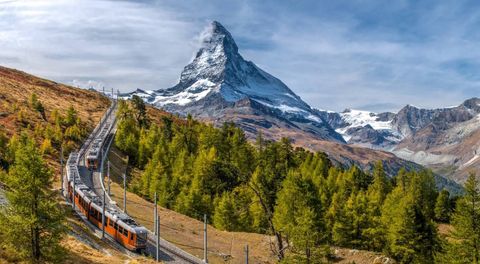
Switzerland Tour Package: Explore Alpine Beauty and Unforgettable Swiss Experiences
Updated: October 09, 2026
Read More