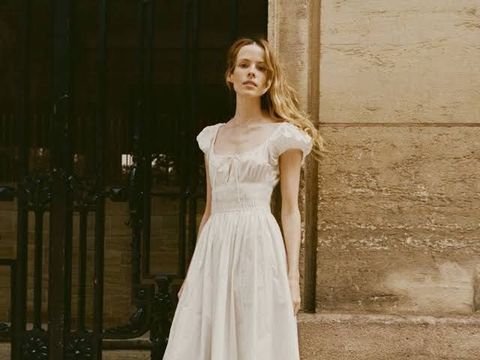
Stylish Petite Dresses for Every Occasion
Finding dresses that combine comfort, style, and suitable proportions.
Petite Dresses
Stylish petite dresses are designed with shorter body proportions in mind, offering options for everyday activities, celebrations, professional settings, and special occasions. Understanding different styles can help shoppers select outfits that match their preferences and practical needs.
Petite dresses for women are generally designed for individuals around 5 feet 4 inches (163 cm) and below, although sizing standards vary between brands. These garments may feature adjusted waist placement, shorter hemlines, narrower shoulders, and more proportionate sleeve lengths.
When exploring petite occasion dresses or everyday outfits, shoppers should consider more than appearance. Fit, fabric, comfort, occasion, and personal styling preferences all contribute to choosing a suitable dress.
Importance of Choosing the Right Petite Dress
The right dress can provide comfort and confidence while fitting the requirements of a particular occasion. Petite clothing proportions are important because standard-size garments may have longer sleeves, lower waistlines, or hemlines that do not match shorter frames.
Selecting an appropriate design does not mean following strict fashion rules. Instead, it involves understanding how different cuts, lengths, and details work together.
Understanding Petite Proportions
Petite sizing focuses on garment proportions rather than simply making regular clothing smaller. Common adjustments include:
Shorter hemlines: Help provide more suitable dress lengths.
Adjusted waistlines: Position waist details according to shorter torso proportions.
Sleeve adjustments: Reduce excess fabric around the arms.
Shoulder proportions: Provide a more suitable fit across the upper body.
Balanced garment lengths: Help maintain the intended shape and structure of a design.
These features can make petite dresses more comfortable and reduce the need for extensive alterations.
Matching Dresses With Personal Style
Personal style plays an important role in choosing clothing. Some shoppers prefer simple designs with minimal details, while others enjoy floral prints, fitted silhouettes, layered skirts, or contemporary patterns.
The occasion also influences the choice. A casual afternoon outfit may require a different fabric and design from a formal dinner or wedding celebration.
Popular Petite Dress Styles for Every Occasion
Different dress styles offer different levels of formality and comfort. Comparing these options can help shoppers identify suitable designs for their wardrobes.
Petite Casual Dresses
Petite casual dresses are suitable for everyday activities, shopping trips, informal gatherings, and relaxed outings. Common options include cotton shirt dresses, simple A-line dresses, wrap designs, and relaxed-fit styles.
Breathable fabrics such as cotton and lightweight blends can provide comfort during warmer weather. Neutral colours, small prints, and simple patterns also make casual dresses easier to coordinate with everyday accessories.
Petite Party Dresses
Petite party dresses often feature more decorative details, interesting necklines, and structured silhouettes. Popular designs include fit-and-flare dresses, short-sleeved styles, pleated skirts, and dresses with subtle embellishments.
For evening gatherings, shoppers may consider darker shades, satin-like fabrics, or understated metallic details. The best choice depends on the event's dress code and personal comfort.
Petite Dresses for Weddings
Petite dresses for weddings are available in different lengths, colours, and levels of formality. Midi dresses, floral designs, elegant A-line silhouettes, and wrap dresses are common choices for wedding guests.
It is important to consider the invitation's dress code, venue, and season. Guests should also check whether the couple has specified colour preferences or clothing restrictions.
Petite Formal Dresses
Petite formal dresses are designed for events that require a more polished appearance. Examples include structured sheath dresses, tailored midi dresses, and elegant floor-length designs.
Fabric selection can influence how formal an outfit appears. Crepe, chiffon, satin, and other structured or flowing materials are commonly used for formal clothing.
Petite Summer Dresses
Petite summer dresses generally use lightweight fabrics and designs suitable for warmer conditions. Sleeveless dresses, short-sleeved styles, cotton sundresses, and floral patterns are popular seasonal options.
Breathable materials and comfortable fits are useful considerations when selecting clothing for outdoor events or daytime activities.
Comparing Petite Dress Styles
The following table provides a general overview of dress options and their common uses.
| Dress style | Suitable occasion | Common design features |
|---|---|---|
| Casual dress | Everyday outings | Relaxed fit, cotton fabrics |
| Party dress | Social gatherings | Decorative details, fitted shapes |
| Wedding guest dress | Wedding celebrations | Floral prints, midi lengths |
| Formal dress | Professional or formal events | Tailored cuts, elegant fabrics |
| Summer dress | Daytime activities | Lightweight fabrics, breathable designs |
| Cocktail dress | Evening gatherings | Structured silhouettes, refined details |
This comparison provides general guidance. Individual preferences, event requirements, and comfort should determine the final selection.
Factors to Consider When Buying Petite Dresses Online
Shopping online provides access to different brands, styles, and price ranges. However, checking garment measurements and product information is important before making a purchase.
Size and Measurement Guide
Size labels can differ between clothing brands. A petite small from one retailer may not have the same measurements as a petite small from another.
Before buying petite dresses online, shoppers should review the available size chart and compare it with their measurements. Important measurements include:
Bust measurement
Waist measurement
Hip measurement
Shoulder width
Dress length
Checking these details can help reduce sizing uncertainty and make it easier to compare different designs.
Fabric and Comfort
Fabric affects how a dress feels, moves, and fits. Cotton is commonly selected for everyday comfort, while chiffon and satin are frequently used in occasionwear.
Stretch fabrics may provide additional flexibility, whereas structured materials can create a more defined silhouette. Care instructions should also be reviewed to understand washing and maintenance requirements.
Price and Overall Value
Affordable petite dresses are available across different retail categories. However, price alone does not determine whether a garment is suitable.
Shoppers can compare fabric quality, construction, sizing information, return policies, and expected usage. A versatile dress that works for several occasions may offer practical wardrobe value.
Styling Tips for Petite Dresses
Styling choices can influence the overall appearance of an outfit. Simple combinations often provide flexibility without making clothing feel overly complicated.
Choosing Suitable Lengths
Mini, knee-length, midi, and maxi dresses can all work for petite wardrobes. The most suitable length depends on body proportions, garment design, footwear, and personal preference.
Trying different lengths can help shoppers understand which designs provide the comfort and appearance they prefer.
Selecting Footwear and Accessories
Footwear should complement the dress and suit the occasion. Flats, sandals, heels, and ankle boots can all work with different petite dress styles.
Accessories such as belts, handbags, simple jewellery, and lightweight jackets can add variety to an outfit. Choosing accessories that match the event's formality can help maintain a balanced appearance.
Frequently Asked Questions
Where Can I Buy Petite Dresses Online?
Petite dresses are available through online fashion retailers, clothing brands, and specialist petite collections. Checking size charts, product descriptions, customer reviews, and return policies can help with comparisons.
Which Petite Dresses Are Suitable for Parties?
Fit-and-flare dresses, cocktail dresses, wrap designs, and embellished styles are common party options. The appropriate choice depends on the event, dress code, and personal preferences.
Are Petite Dresses Different From Regular Dresses?
Yes. Petite dresses generally have adjusted proportions, including shorter sleeves, hemlines, and waist placements. They are designed to accommodate shorter body proportions.
What Length Is Best for Petite Occasion Dresses?
There is no single ideal length. Mini, knee-length, midi, and maxi dresses can all be suitable depending on the design and individual measurements.
How Can I Choose Affordable Petite Dresses?
Compare prices, fabric details, sizing charts, construction, and return policies across retailers. Considering how frequently a dress can be worn may also help evaluate its overall value.
Conclusion
Stylish petite dresses are available in numerous designs for casual outings, parties, weddings, summer activities, and formal events. Understanding petite proportions, fabric choices, garment lengths, and sizing information can make clothing selection more straightforward.
By comparing different styles and considering personal preferences, shoppers can build a practical wardrobe with dresses suited to various occasions.

Related Post...