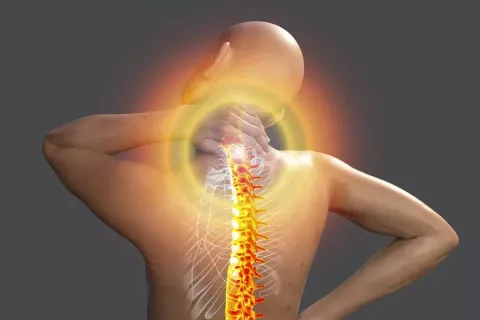
Spinal Surgery Guide: Treatment Procedures, Surgical Options, and Recovery
Spinal surgery refers to procedures performed to address certain conditions affecting the spine, spinal nerves, or surrounding structures. Surgery may be considered when symptoms are severe, neurological problems are present, or nonsurgical approaches have not provided adequate improvement.
The appropriate procedure depends on the underlying condition, spinal location, imaging findings, symptoms, and overall health.
Understanding Spinal Surgery
The spine supports the body while protecting the spinal cord and contributing to movement. Problems can develop because of:
Herniated discs
Spinal stenosis
Degenerative disc disease
Spinal fractures
Scoliosis
Certain spinal tumors
Nerve compression
Structural abnormalities
Not every spinal condition requires surgery. Healthcare professionals typically evaluate the cause and severity of symptoms before recommending an appropriate treatment approach.
Common Spinal Surgery Procedures
| Procedure | General Purpose |
| Discectomy | Removes part of a damaged disc that may be compressing a nerve |
| Laminectomy | Removes part of a vertebral bone to create additional space |
| Spinal Fusion | Joins selected vertebrae to improve spinal stability |
| Decompression Surgery | Relieves pressure on nerves or the spinal cord |
| Disc Replacement | Replaces a damaged spinal disc with an artificial device in selected cases |
The suitability of each procedure depends on the patient's specific spinal condition.
Surgical Approaches
Spinal procedures can be performed using different surgical techniques.
These may include:
Traditional open surgery
Minimally invasive techniques
Microsurgical approaches
Image-guided procedures
Minimally invasive approaches may use smaller incisions in selected cases, but the appropriate technique depends on the condition and surgical requirements.
Preparing for Spine Surgery
Preoperative planning may involve:
Physical examination
Imaging studies
Medication review
Blood or other laboratory tests when appropriate
Anesthesia assessment
Discussion of surgical risks
Recovery planning
Arranging transportation and home assistance
Patients should provide their healthcare team with information about medications, allergies, existing conditions, and previous procedures.
Spinal Surgery Recovery
Recovery varies according to the procedure and the patient's overall health.
Early recovery may focus on:
Pain management
Safe movement
Incision care
Gradual activity
Walking when appropriate
Preventing complications
Following postoperative instructions
Some procedures may require a longer rehabilitation period than others.
Physical Rehabilitation
Rehabilitation can help restore movement, strength, and functional ability after appropriate spinal procedures.
A rehabilitation program may include:
Gentle mobility exercises
Core strengthening
Posture and movement training
Walking programs
Flexibility exercises
Gradual return to normal activities
Exercise progression should follow the recommendations of the treating healthcare team.
Potential Risks and Complications
Spinal surgery is a significant medical procedure and can involve potential risks, including:
Infection
Bleeding
Blood clots
Nerve injury
Persistent pain
Spinal fluid leakage
Blood-vessel injury
Recurrence of symptoms
Need for additional surgery
Individual risks vary according to the procedure, medical history, and other factors.
Long-Term Spine Care
Following recovery, maintaining appropriate habits may support overall spinal health.
Depending on individual medical guidance, this may include:
Regular physical activity
Maintaining muscle strength
Practicing safe lifting techniques
Maintaining a healthy body weight where appropriate
Following rehabilitation recommendations
Attending scheduled follow-up appointments
Frequently Asked Questions
What is spinal surgery?
Spinal surgery includes procedures designed to address certain conditions affecting the spine, spinal nerves, or surrounding structures.
When might spinal surgery be considered?
Surgery may be considered when a specific spinal condition causes significant symptoms, neurological problems, structural instability, or does not improve adequately with appropriate nonsurgical treatment.
What is spinal fusion?
Spinal fusion is a procedure that joins selected vertebrae to stabilize a portion of the spine. The technique and number of vertebrae involved depend on the underlying condition.
How long does spinal surgery recovery take?
Recovery varies considerably depending on the procedure, location of surgery, overall health, and rehabilitation progress. Some people resume routine activities relatively quickly, while others require several weeks or months.
Is physical therapy used after spinal surgery?
Rehabilitation is commonly used after many spinal procedures, although the timing and exercises depend on the specific surgery and the individual's recovery.
Conclusion
Spinal surgery encompasses a range of procedures designed to address specific spinal conditions, from nerve compression and damaged discs to structural instability. Understanding surgical options, preparation, potential risks, and rehabilitation can help patients have more informed discussions with their healthcare team.
Recovery is individualized, and following postoperative instructions and rehabilitation guidance is important for safe progress.
Disclaimer
This article is provided for general educational and informational purposes only and does not constitute medical advice, diagnosis, or treatment. Spinal surgery decisions depend on individual medical circumstances, and outcomes and risks can vary. Readers should consult a qualified orthopedic surgeon, neurosurgeon, or other appropriate healthcare professional for personalized evaluation, treatment recommendations, surgical risks, and recovery planning.

Related Post...