Osteoarthritis Treatment Guide: Joint Pain Management, Therapy Options, Medications, and Care Insights
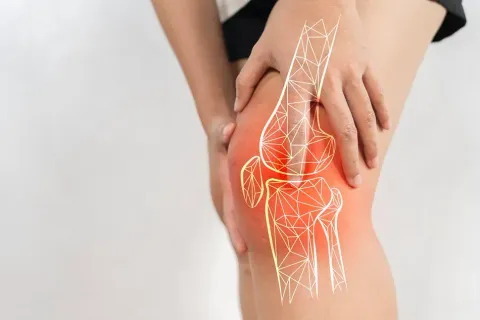
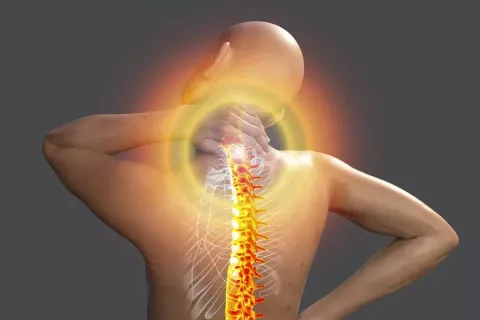
Osteoarthritis is a common joint condition involving changes to cartilage and other joint tissues. It can affect the knees, hips, hands, spine, and other joints and may cause pain, stiffness, swelling, reduced movement, and difficulty with everyday activities.
Osteoarthritis management generally focuses on reducing symptoms, maintaining mobility, improving physical function, and supporting quality of life. Treatment depends on the affected joint, symptom severity, overall health, activity level, and individual circumstances.
Common Osteoarthritis Symptoms
Symptoms can vary between individuals and may develop gradually.
Common symptoms include:
Joint pain during or after activity
Stiffness after periods of inactivity
Reduced range of motion
Joint tenderness
Swelling
Difficulty with certain movements
Changes in joint function
Pain that interferes with sleep or daily activities
Symptoms may fluctuate over time. Persistent or worsening joint symptoms should be evaluated by an appropriately qualified healthcare professional.
Joints Commonly Affected
Osteoarthritis can occur in many joints, including:
Knees
Hips
Hands and fingers
Spine
Feet
Shoulders in some circumstances
The symptoms and treatment approach can differ depending on the joint involved.
Osteoarthritis Evaluation
Evaluation may involve a review of:
Symptoms and duration
Affected joints
Previous injuries
Physical activity
Medical history
Current medications
Functional limitations
Family and health history
A physical examination may assess joint movement, tenderness, swelling, strength, and function.
Imaging such as X-rays may sometimes help evaluate structural joint changes. Other testing may be considered when another condition is suspected.
Imaging findings do not always correspond directly with symptom severity, so healthcare professionals generally consider symptoms, examination findings, and functional impact together.
Exercise and Physical Therapy
Exercise is an important component of osteoarthritis management for many people.
A physical-therapy program may include:
Strengthening exercises
Range-of-motion exercises
Flexibility work
Balance training
Walking or aerobic activity
Functional movement
Activity progression
For knee or hip osteoarthritis, strengthening surrounding muscles can help support movement and physical function.
Exercise programs should be adapted to the affected joint, current fitness level, symptoms, and other health conditions.
Weight Management and Joint Health
For people with osteoarthritis affecting weight-bearing joints, maintaining an appropriate body weight may help reduce mechanical stress on the joints.
Weight-management strategies may include:
Appropriate physical activity
Nutrition planning
Gradual lifestyle changes
Professional guidance when appropriate
Weight should be considered alongside overall health rather than treated as the only factor affecting osteoarthritis symptoms.
Pain Management
Osteoarthritis pain can be managed through multiple approaches.
Potential strategies include:
Therapeutic exercise
Physical therapy
Activity modification
Heat or cold
Topical medications
Oral pain medications
Assistive devices
Selected injections
Surgical evaluation in appropriate circumstances
The most appropriate approach depends on the affected joint, symptom severity, medical history, and individual risks.
Osteoarthritis Medications
Healthcare professionals may consider medications based on the individual's circumstances.
Potential medication categories include:
Topical nonsteroidal anti-inflammatory drugs
Oral nonsteroidal anti-inflammatory drugs
Acetaminophen in selected situations
Other condition-specific medications
Medication risks can vary considerably.
For example, some anti-inflammatory medications may require caution in people with certain kidney, gastrointestinal, cardiovascular, or other health conditions.
People should not start, stop, or change prescription medication based solely on general information. Medication decisions should be discussed with an appropriately qualified healthcare professional.
Topical Treatments
Topical medications may be considered for some forms of localized joint pain.
A topical approach can be useful when treatment is intended for a particular joint, although suitability varies.
Healthcare professionals can help determine whether a topical medication is appropriate and how it should be used.
Injections and Interventional Options
Certain people with osteoarthritis may discuss injections with a healthcare professional.
Depending on the joint and circumstances, options may include:
Corticosteroid injections
Other joint injections
Condition-specific interventional treatments
Evidence and recommendations vary between treatments and clinical situations.
Patients should discuss expected benefits, limitations, risks, and alternatives before undergoing an injection.
Assistive Devices and Joint Support
Some people may benefit from devices that help with mobility or reduce strain during activities.
Examples include:
Canes
Braces
Orthotics
Walking aids
Supportive footwear
Other mobility devices
The appropriate device depends on the affected joint and the individual's movement pattern.
A professional evaluation may help determine whether an assistive device is appropriate and how it should be used.
Osteoarthritis and Daily Activity
Joint-friendly activity can support mobility and function.
Depending on the individual, activities may include:
Walking
Cycling
Swimming
Water-based exercise
Strength training
Mobility exercises
People may need to modify activities during periods of increased symptoms.
Long periods of complete inactivity can also contribute to weakness and reduced function, so activity plans should generally be individualized.
Sleep and Osteoarthritis
Joint discomfort can interfere with sleep.
Potential strategies may include:
Adjusting sleeping positions
Using appropriate pillows or supports
Managing symptoms before bedtime
Maintaining consistent sleep routines
Discussing persistent nighttime pain with a healthcare professional
Persistent sleep disruption may be an important factor to mention during an osteoarthritis evaluation.
When Surgery May Be Considered
Surgery is not required for everyone with osteoarthritis.
Surgical evaluation may be considered when:
Pain remains substantial
Daily activities are significantly limited
Joint function has deteriorated
Appropriate non-surgical approaches have not provided adequate relief
Structural joint changes are advanced
Joint-replacement procedures may be considered for selected people with advanced osteoarthritis of the knee or hip.
The decision depends on symptoms, functional limitations, overall health, imaging, previous treatment, and discussion with an appropriately qualified specialist.
Recovery After Joint Surgery
Recovery varies depending on the procedure and individual circumstances.
Rehabilitation may involve:
Early recovery
Pain and swelling management
Safe movement
Mobility exercises
Basic strengthening
Progressive rehabilitation
Strength development
Range of motion
Balance
Walking mechanics
Functional activities
Longer-term recovery
Increasing activity
Maintaining strength
Returning to appropriate recreational or work activities
Continuing joint-health strategies
The treating team should provide individualized recovery instructions.
Long-Term Osteoarthritis Care
Osteoarthritis is generally managed over time rather than through a single intervention.
Long-term care may include:
Regular physical activity
Strength training
Maintaining appropriate body weight
Monitoring symptoms
Managing other health conditions
Reviewing medications periodically
Adapting activities
Following rehabilitation recommendations
A long-term plan can help address changes in symptoms and function as circumstances evolve.
Recent Developments in Osteoarthritis Care
Osteoarthritis research and clinical care continue to develop.
Areas of ongoing advancement include:
Personalized rehabilitation
Digital physical-therapy tools
Wearable activity monitoring
Improved imaging
Computer-assisted orthopedic procedures
Joint-replacement technology
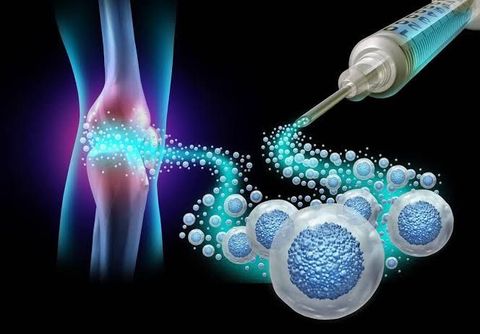
Research into cartilage and biologic treatments
Data-supported treatment planning
Not every emerging treatment has the same level of evidence or regulatory status. Patients should discuss newer approaches with qualified healthcare professionals before considering them.
When to Seek Prompt Medical Attention
Osteoarthritis symptoms are usually not an emergency, but certain joint symptoms require prompt evaluation.
Seek medical attention for:
A suddenly very swollen joint
A hot, red joint accompanied by fever
Severe pain following significant trauma
Inability to bear weight after an injury
A visibly deformed joint
Sudden major loss of joint movement
Rapidly worsening symptoms
Other symptoms suggesting infection, fracture, or another serious condition
A healthcare professional can determine whether urgent examination or testing is necessary.
Osteoarthritis Care Planning Checklist
When discussing osteoarthritis with a healthcare professional, consider documenting:
Which joints are affected
When symptoms began
Pain severity
Stiffness patterns
Activity limitations
Sleep disruption
Previous injuries
Previous treatments
Current medications
Exercise level
Other health conditions
Previous imaging or procedures
This information can help support a more complete discussion about management options.
Tools and Resources
Useful educational resources may include:
Arthritis education organizations
Orthopedic and rheumatology resources
Physical-therapy guidance
Joint-replacement education
Medication information from authoritative healthcare sources
Rehabilitation materials
General physical-activity resources
Information should be evaluated based on the credibility of the source and the individual's specific diagnosis.
Frequently Asked Questions
1. What is the best treatment for osteoarthritis?
There is no single treatment that works for everyone. Management may include exercise, physical therapy, activity modification, medication, supportive devices, injections, or surgery for selected cases.
2. Can physical therapy help osteoarthritis?
Physical therapy can help improve strength, mobility, movement, and function. Programs are typically adapted to the affected joint and the individual's health and activity level.
3. What medications are commonly used for osteoarthritis?
Depending on the circumstances, healthcare professionals may consider topical or oral anti-inflammatory medications and other pain-management options. Medication selection should account for individual health risks and potential interactions.
4. Does osteoarthritis always require joint replacement?
No. Many people manage osteoarthritis with non-surgical approaches. Joint replacement may be considered when advanced joint disease causes substantial pain and functional limitations despite appropriate treatment.
5. Can exercise make osteoarthritis worse?
Some activities may aggravate symptoms, particularly if intensity increases too quickly. Appropriate, gradual exercise is often an important component of joint care, but the program should be individualized.
Conclusion
Osteoarthritis management focuses on controlling symptoms, maintaining mobility, supporting physical function, and addressing the individual's long-term joint-health needs.
Treatment can include exercise, physical therapy, activity modification, medications, supportive devices, injections, and surgical evaluation when appropriate. The most suitable combination depends on the affected joint, severity of symptoms, medical history, and personal circumstances.
Persistent or worsening joint pain should be evaluated by an appropriately qualified healthcare professional so that the underlying condition and appropriate treatment options can be considered.

Related Post...