Solitaire Engagement Rings Guide: Explore Style, Tips, Insights, and Selection Advices
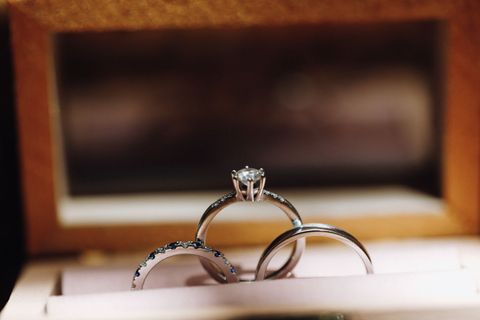
A solitaire engagement ring is a ring designed around one primary gemstone, most commonly a diamond.
Understanding Solitaire Engagement Rings
The single center stone is usually positioned above a simple band so that attention remains on its shape, brilliance, and proportions. This design has remained popular because it combines a recognizable appearance with many choices in metal, setting, diamond shape, and stone origin.
A practical solitaire ring guide begins with understanding the relationship between the diamond and the setting. The same diamond can look noticeably different when placed in a prong, bezel, cathedral, or other setting.
For anyone researching engagement rings, useful information includes:
- Diamond shapes and proportions
- Solitaire ring settings
- Metal purity and gold hallmarking
- Natural diamonds and lab grown diamonds
- Diamond certification
- Ring sizing and fit
- Long-term ring care information
- Documentation and purchase records
The term “solitaire” describes the central-stone concept rather than a particular diamond shape. Round, oval, pear, emerald, cushion, princess, and other shapes can all be used in solitaire engagement rings.
Why Solitaire Rings Matter Today
Choosing an engagement ring can involve many technical and personal decisions. Understanding diamond ring information helps people compare options based on measurable characteristics rather than relying only on appearance.
A well-researched selection process can help with several common questions:
- Which diamond shape suits the intended style?
- Which setting provides the preferred balance of visibility and protection?
- Should the ring contain a natural or lab-grown diamond?
- What does a diamond certification document confirm?
- What gold purity is appropriate for regular wear?
- How should the ring be maintained?
Digital diamond viewing tools and online catalogues have also made it easier to compare proportions, shapes, metal colors, and settings before visiting a jewellery showroom.
| Selection factor | What to examine |
|---|---|
| Diamond shape | Round, oval, pear, cushion, emerald and others |
| Cut quality | Proportions, symmetry and light performance |
| Setting | Prong, bezel, cathedral and related designs |
| Metal | 14K, 18K, platinum and other choices |
| Origin | Natural or laboratory-grown |
| Documentation | Independent grading or certification |
| Fit | Ring size, band width and comfort |
Types of Solitaire Engagement Rings
Solitaire rings can be categorized according to their setting, diamond shape, metal, and construction.
Classic Prong Solitaire: A small number of metal claws hold the diamond while leaving much of the stone visible. Four-prong and six-prong arrangements are common.
Bezel Solitaire Ring: A metal rim surrounds the diamond's perimeter. This design can provide additional protection to the stone's edges and creates a smooth visual profile.
Cathedral Solitaire: Raised shoulders curve upward toward the center stone, creating an elevated appearance. It can also create space for a future matching band.
Tension-Style Solitaire: The diamond appears visually suspended between sections of the metal band. These designs require precise engineering and professional fitting.
Halo-Inspired Solitaire: A traditional solitaire generally has one main stone without a surrounding halo, but some contemporary designs incorporate small accent stones while retaining a dominant center diamond.
Diamond shapes also create distinct visual effects:
- Round: Traditional and symmetrical.
- Oval: Elongated appearance with rounded ends.
- Pear: Teardrop-shaped silhouette.
- Cushion: Soft corners with a square or rectangular outline.
- Emerald: Step-cut appearance with broad, reflective facets.
- Princess: Square or rectangular outline with brilliant-style faceting.
- Marquise: Long shape with pointed ends.
Benefits and Applications
Solitaire designs have several practical characteristics that explain their continued use in engagement jewellery.
Visual focus: With one dominant gemstone, the design naturally emphasizes the center diamond.
Design flexibility: Solitaire settings can be paired with yellow gold, white gold, rose gold, platinum, and other metals.
Easy comparison: Because the central stone is visually prominent, differences in diamond shape, cut, color, clarity, and size can be easier to examine.
Multiple style directions: A solitaire can be minimalist, traditional, contemporary, vintage-inspired, or architectural depending on the band and setting.
Everyday versatility: Simpler designs may coordinate with different jewellery styles and clothing choices.
Personalization: Engravings, metal selection, diamond shape, band width, and setting details can create a more individual design.
Five Well-Known Companies to Research
The following names represent established jewellery brands or diamond retailers with significant engagement-ring collections. They are presented as research starting points rather than a ranking or endorsement.
- Tanishq — Its current catalogue includes extensive engagement and solitaire collections.
- CaratLane — Its catalogue includes numerous solitaire engagement designs across diamond, gold, and platinum categories.
- Blue Nile — Provides engagement-ring and solitaire collections with natural and lab-grown diamond categories.
- James Allen — A recognized online diamond and engagement-ring retailer with multiple solitaire designs.
- Cartier — A long-established luxury jewellery house with engagement-ring collections and distinctive setting designs.
Recent Trends and Updates
The engagement-ring landscape has continued to evolve during 2025 and 2026. One notable development is the increasing visibility of lab-grown diamonds in India. A 2026 industry report cited by SEBI describes India's lab-grown diamond jewellery market as growing from approximately ₹13,738 million in CY2020 to ₹34,501 million in CY2025, with further growth projected toward CY2030.
Consumer interest is also expanding beyond major metropolitan areas. Recent reporting in August 2026 noted increased interest in lab-grown diamond jewellery in smaller Indian cities, alongside changing preferences and greater awareness of the category.
Design preferences are also becoming more individual. 2026 jewellery trend reporting highlights personalized designs, elongated oval and pear shapes, vintage-inspired cuts, warmer gemstone colors, thicker bands, and architectural settings.
These developments do not mean that one diamond type or style is universally preferable. Natural diamonds and lab-grown diamonds have different origins and market characteristics, so the appropriate choice depends on individual priorities and available documentation.
Laws, Hallmarking, and Consumer Policies in India
In India, gold jewellery is subject to the Bureau of Indian Standards (BIS) hallmarking framework. BIS states that hallmarking provides an official indication of precious-metal purity or fineness.
A hallmarked gold article generally carries three components introduced with the HUID system: the BIS logo, the purity/fineness mark, and a six-digit alphanumeric Hallmark Unique Identification number. Consumers can use the BIS Care App's “Verify HUID” feature to check HUID information.
The mandatory hallmarking framework has continued to be updated. BIS's current order page records amendments dated March, April, and August 2026, with the latest page update on August 21, 2026.
For gold jewellery, permitted hallmarking grades include 14K (585), 18K (750), 20K (833), 22K (916), 23K (958), and 24KS (995), subject to the applicable standards and rules.
Consumers should retain an authentic invoice and examine the jewellery description, precious-metal weight, purity, and relevant hallmark information. BIS also provides procedures for consumer testing at recognized Assaying and Hallmarking Centres.
Diamond certification is separate from gold hallmarking. A gold hallmark primarily concerns the precious-metal component; a diamond grading report concerns characteristics of the gemstone. These documents should not be treated as interchangeable.
Tools and Resources for Research
Several resources can make a solitaire ring comparison more structured:
- BIS Care App: Useful for checking HUID information on applicable hallmarked gold jewellery.
- BIS Hallmarking Resources: Provides standards, regulations, consumer guidance, and hallmarking information.
- Diamond Grading Reports: Review the issuing laboratory, report number, measurements, shape, color, clarity, cut-related information, and identifying characteristics.
- Ring Size Guides: Useful for estimating an appropriate finger size before selecting a band.
- Diamond Comparison Tools: Can help compare carat weight, dimensions, proportions, and grading information.
- Care Checklists: Record cleaning dates, inspection dates, documentation, and any professional maintenance.
A useful research sequence is: diamond shape → grading information → setting → metal purity → ring size → documentation → care plan.
Frequently Asked Questions
What is a solitaire engagement ring?
It is an engagement ring design centered on one primary gemstone, usually a diamond. The setting and band can vary considerably.
Is a Bezel Solitaire Ring different from a prong solitaire?
Yes. A bezel uses a surrounding metal rim, while a prong design holds the stone with small metal claws. The two approaches differ in appearance and how the stone is secured.
Are lab-grown diamonds real diamonds?
Lab-grown diamonds have essentially the same chemical composition and crystal structure as natural diamonds, but their origins differ. Natural diamonds form through geological processes, while laboratory-grown diamonds are produced using controlled technological processes.
Why is diamond certification important?
A grading report can provide standardized information about a diamond's characteristics. It helps readers understand what has been examined and documented by the issuing laboratory.
How should a solitaire ring be cared for?
Regularly inspect the setting for loose or damaged components, avoid exposing the ring unnecessarily to harsh chemicals, clean it according to the metal and gemstone requirements, and retain its documentation. Periodic professional inspection can help identify issues before they become more serious.
Conclusion
Solitaire engagement rings remain a versatile jewellery category because their central-stone design works across many diamond shapes, settings, metals, and personal styles. A sound selection process should focus on diamond information, certification, setting construction, metal purity, sizing, documentation, and long-term care rather than promotional claims.
For Indian consumers, gold hallmarking and HUID verification provide additional information about the precious-metal component. At the same time, current trends show growing interest in lab-grown diamonds and more individualized ring designs. By comparing documented characteristics and understanding the differences between natural and laboratory-grown diamonds, readers can make a more informed and practical jewellery decision.
An informational disclaimer is important: jewellery prices vary substantially according to diamond characteristics, metal purity, certification, design complexity, brand, market conditions, and taxes. Any figures shown by a retailer should therefore be treated as time-specific estimates & educational rather than universal benchmarks.

Related Post...