Solitaire Engagement Rings Explained: Explore Styles, Diamond Cuts, Settings & Design Features
Solitaire engagement rings are among the most recognizable ring designs, traditionally featuring a single prominent gemstone as the central visual element. Their appeal comes from a relatively simple design structure that places attention on the center stone rather than multiple surrounding stones.
Although the classic solitaire is often associated with a single diamond mounted on a plain band, modern designs can vary considerably. Differences in diamond cut, setting style, band design, metal, proportions and finishing details can create very different appearances while retaining the fundamental solitaire concept.
This guide explores the main characteristics of solitaire engagement rings, popular diamond cuts, setting styles, design variations and practical factors to understand when comparing different designs.
What Is a Solitaire Engagement Ring?
A solitaire engagement ring generally features one central gemstone as the primary focal point.
The word "solitaire" refers primarily to the single-stone design concept. The center diamond or gemstone receives most of the visual attention, while the band and setting provide support and structure.
Typical characteristics include:
- One prominent center stone
- A supporting ring band
- A setting designed around the central stone
- Minimal or no additional stones on the main face of the ring
- Emphasis on the center stone's shape and proportions
The exact design can range from highly traditional to contemporary.
Why Solitaire Rings Have a Distinctive Appearance
The absence of multiple prominent side stones allows the center gemstone to dominate the design.
This can make characteristics such as the following particularly noticeable:
- Diamond shape
- Faceting pattern
- Cut quality
- Symmetry
- Proportions
- Setting height
- Band width
A solitaire therefore places greater visual emphasis on the center stone compared with many multi-stone ring designs.
Popular Diamond Cuts for Solitaire Rings
The diamond cut is one of the most significant design choices.
Round Brilliant Cut
The round brilliant cut is one of the most established diamond shapes and is known for its symmetrical appearance and extensive facet arrangement.
It is commonly associated with:
- Strong brilliance
- Classic styling
- Symmetrical proportions
- Versatile setting compatibility
A round solitaire can work with both traditional and contemporary bands.
Princess Cut
The princess cut typically has a square or rectangular outline with pointed corners.
Its geometric appearance can create a more modern aesthetic.
Common characteristics include:
- Square profile
- Sharp corners
- Contemporary appearance
- Clean geometric lines
Protective setting design can be particularly relevant because the corners are exposed.
Oval Cut
Oval diamonds combine an elongated outline with brilliant-style faceting.
They can create an impression of greater length across the finger.
Design characteristics include:
- Elongated silhouette
- Rounded edges
- Classic appearance
- Potentially slender visual effect
Emerald Cut
The emerald cut has a rectangular outline and step-cut faceting.
Instead of emphasizing the same type of scintillation associated with brilliant cuts, its broad facets can highlight clarity and internal characteristics.
It is often associated with:
- Clean geometric lines
- Elegant appearance
- Broad flashes of light
- Rectangular proportions
Cushion Cut
Cushion-cut diamonds generally feature softened corners and a square or rectangular outline.
They combine geometric structure with rounded edges and can create either traditional or contemporary styling depending on the setting.
Pear-Shaped Cut
The pear shape combines rounded and pointed ends.
When used in a solitaire design, the orientation of the point can influence the overall appearance of the ring.
Marquise Cut
The marquise cut has an elongated shape with pointed ends.
Its length can create a visually distinctive silhouette and can make the center stone appear prominent relative to its width.
Radiant Cut
Radiant-cut diamonds combine a rectangular or square outline with brilliant-style faceting.
They can provide a balance between:
- Geometric shape
- Faceted brilliance
- Contemporary styling
Understanding Diamond Cut vs Shape
The terms cut and shape are sometimes used interchangeably in everyday conversations, but they can refer to different concepts.
Shape
Shape describes the diamond's external outline, such as:
- Round
- Oval
- Pear
- Princess
- Emerald
- Cushion
- Marquise
Cut Quality
Cut quality refers to how effectively the diamond has been proportioned, faceted and finished to interact with light.
For round brilliant diamonds, grading laboratories can assign a specific cut grade. For many fancy shapes, evaluation can involve proportions and other characteristics rather than the same standardized cut-grade scale used for round diamonds.
Solitaire Ring Settings
The setting holds the center stone securely while influencing its appearance.
Prong Setting
Prongs are small metal projections that hold the gemstone in place.
A solitaire can use:
- Four prongs
- Six prongs
- Other configurations
Four-Prong Setting
A four-prong design can provide a relatively open appearance around the stone.
Potential characteristics include:
- More visible gemstone
- Less metal around the stone
- Clean appearance
Six-Prong Setting
Six prongs can provide additional points of contact around the center stone.
The choice depends on the gemstone, setting design and structural requirements.
Bezel Setting
A bezel setting surrounds the gemstone's edge with metal.
It can provide:
- A smooth profile
- Additional protection around edges
- Contemporary appearance
Bezel designs generally create a different visual effect from traditional prong-set solitaires.
Cathedral Setting
A cathedral setting uses raised bands or metal structures that sweep upward toward the center stone.
This can create:
- Elevated center stone
- Architectural profile
- Additional visual dimension
Tension-Style Settings
Tension-style designs create the visual impression that the gemstone is held between the sides of the band.
These designs require specialized engineering and precise construction.
Solitaire Ring Band Designs
The band contributes significantly to the final appearance.
Plain Band
A plain band keeps attention firmly on the center stone.
It is one of the most recognizable solitaire configurations.
Pavé Band
Some modern solitaire-inspired designs incorporate small diamonds along portions of the band.
Strictly speaking, the ring remains centered around a single dominant center stone, while the smaller stones act as supporting decorative elements.
Twisted Band
A twisted band can create additional visual movement around the center stone.
Split-Shank Design
A split-shank band divides into separate sections as it approaches the center setting.
This can make the central gemstone appear more prominent.
Ring Metals
The choice of metal influences both color and overall design.
Platinum
Platinum is naturally white and is widely used in fine jewelry.
Potential characteristics include:
- White appearance
- High density
- Durability
- Naturally white metal
White Gold
White gold is an alloy that is commonly finished with rhodium plating to produce a bright white appearance.
The plating can require maintenance over time depending on wear.
Yellow Gold
Yellow gold provides a warm appearance and creates contrast against a colorless or near-colorless diamond.
It can be particularly effective for traditional designs.
Rose Gold
Rose gold has a warm pinkish appearance resulting from its alloy composition.
It can provide a more contemporary or romantic visual character.
Diamond Color
Diamond color is another factor that can influence the appearance of a solitaire.
For many white diamonds, grading scales assess the degree of colorlessness.
Generally:
- Higher color grades appear more colorless
- Lower grades may display warmer tones
The perceived effect can depend on the diamond's shape and the metal surrounding it.
Diamond Clarity
Clarity relates to the presence and characteristics of internal inclusions and external blemishes.
Because solitaire designs place attention on one central stone, clarity can be particularly noticeable.
Important considerations include:
- Inclusion visibility
- Location of inclusions
- Size of inclusions
- Diamond shape
- Viewing conditions
A diamond does not necessarily need the highest clarity grade to appear clean to the unaided eye.
Diamond Carat Weight
Carat refers to the weight of a diamond, not directly its visual dimensions.
Two diamonds with the same carat weight can have different appearances because of differences in:
- Shape
- Proportions
- Depth
- Table dimensions
- Faceting
Therefore, carat weight should be considered alongside the diamond's measurements and proportions.
Diamond Proportions
Proportions can affect how a diamond interacts with light and how large it appears from the top.
Relevant measurements can include:
- Table percentage
- Depth percentage
- Length-to-width ratio
- Crown dimensions
- Pavilion dimensions
The ideal proportions vary depending on the diamond shape.
Solitaire Ring Profile
The ring's profile describes how it looks from the side.
Important characteristics include:
- Setting height
- Band thickness
- Center-stone elevation
- Basket structure
- Gallery design
A higher setting may create a more prominent center stone but can also affect how easily the ring interacts with surrounding objects.
Low-Profile Solitaire Designs
Low-profile designs position the center stone closer to the finger.
Potential advantages include:
- Reduced overall height
- Lower visual profile
- Less projection
- Practical everyday appearance
However, compatibility with certain wedding-band designs can depend on the exact setting.
High-Profile Solitaire Designs
A high-profile setting raises the center gemstone above the band.
This can provide:
- Strong center-stone visibility
- More vertical dimension
- Greater visual prominence
However, a higher center stone can also be more exposed to accidental contact.
Solitaire Ring Proportions
The relationship between the center stone and the band affects the visual balance of the ring.
For example:
- A very narrow band can make a center stone appear larger.
- A wider band can create a stronger visual foundation.
- A larger center stone may require a more substantial setting.
- A smaller center stone may suit a delicate band.
There is no single correct proportion because style preferences differ.
Solitaire Rings for Different Hand Shapes
Ring appearance can vary depending on finger length and hand proportions.
Elongated Shapes
Oval, marquise and pear-shaped stones can visually emphasize length.
Wider Finger Profiles
Elongated or rectangular stones may create a different visual balance compared with very wide square designs.
Shorter Fingers
Vertical or elongated stone shapes can sometimes create a lengthening visual effect.
These are design observations rather than strict rules.
Classic Solitaire Designs
Classic solitaire designs typically emphasize:
- Round center diamond
- Simple band
- Traditional prongs
- Minimal decoration
- Balanced proportions
Their relatively restrained structure allows the center gemstone to remain the main focal point.
Modern Solitaire Designs
Modern interpretations can include:
- Geometric bands
- Unusual settings
- Asymmetrical details
- Mixed metals
- Sculptural structures
- Contemporary gemstone shapes
The central concept remains the same: one dominant center stone.
Minimalist Solitaire Rings
Minimalist solitaires generally use simple bands and restrained settings.
They may appeal to people who prefer:
- Clean lines
- Simple silhouettes
- Low visual complexity
- Timeless styling
Vintage-Inspired Solitaire Designs
Vintage-inspired versions may incorporate:
- Milgrain details
- Engraving
- Decorative galleries
- Antique-style metalwork
- Intricate band patterns
The center stone remains dominant while decorative elements provide historical styling cues.
Solitaire vs Halo Engagement Rings
A solitaire and a halo ring create distinctly different visual effects.
| Feature | Solitaire | Halo |
|---|---|---|
| Main stone | One dominant stone | One center stone + surrounding stones |
| Visual focus | Center stone | Center and surrounding halo |
| Overall appearance | Minimal | More decorative |
| Band | Often simpler | Can be more elaborate |
| Stone emphasis | Individual center stone | Combined stone arrangement |
Solitaire vs Three-Stone Rings
Three-stone rings feature three prominent gemstones.
A solitaire generally provides a simpler visual composition, while three-stone designs create a wider arrangement across the finger.
Solitaire vs Pavé Rings
A classic solitaire may use a plain band, while a pavé design incorporates smaller diamonds along the band.
Both can have one dominant center diamond, but the overall appearance differs considerably.
Practical Design Considerations
Prong Security
The setting should securely hold the center stone.
Prongs can experience wear over time and may require periodic inspection.
Band Durability
A very thin band can have a delicate appearance but may require more careful handling than a heavier construction.
Setting Height
The height of the center stone can affect comfort, snagging and compatibility with other rings.
Wedding-Band Compatibility
If the engagement ring will be worn alongside a wedding band, consider whether the two rings sit comfortably together.
Some solitaire settings provide sufficient clearance for a wedding band, while others may require a curved or contoured design.
Caring for a Solitaire Engagement Ring
Regular care can help maintain the appearance and structural condition of a ring.
Useful practices include:
- Remove the ring when performing activities that could cause impact.
- Avoid exposing it unnecessarily to harsh chemicals.
- Clean it according to the metal and gemstone requirements.
- Check the setting periodically.
- Have prongs inspected if they appear loose or damaged.
- Store the ring separately to reduce scratching.
Professional inspection may be appropriate when the ring has been subjected to significant impact or when the stone appears loose.
Buying Considerations
When evaluating a solitaire engagement ring, consider the following:
Center Stone
Evaluate:
- Shape
- Cut quality
- Color
- Clarity
- Carat weight
- Measurements
Setting
Review:
- Prong configuration
- Metal thickness
- Security
- Profile
- Finish
Band
Consider:
- Width
- Shape
- Comfort
- Metal
- Surface finish
Certification
For significant diamond purchases, an independent grading report from a recognized gemological laboratory can provide information about the stone's characteristics.
Lab-Grown vs Natural Diamonds
A solitaire setting can accommodate either a natural diamond or a laboratory-grown diamond, depending on the design and stone specifications.
Both can be graded based on characteristics such as:
- Carat weight
- Color
- Clarity
- Cut-related characteristics
The primary distinction is the origin of the diamond.
Ethical and Traceability Considerations
Some consumers consider the origin and supply chain of a gemstone when evaluating jewelry.
Potential considerations include:
- Diamond sourcing
- Supply-chain transparency
- Laboratory-grown alternatives
- Certification
- Manufacturer disclosures
The available information can vary between individual stones and suppliers.
Important Questions to Ask
Before selecting a solitaire engagement ring, consider asking:
- What is the diamond's shape?
- What are its exact measurements?
- Is the diamond accompanied by a grading report?
- What is the setting type?
- How secure are the prongs?
- What metal is used?
- What is the band width?
- Is the ring compatible with a wedding band?
- How should the ring be maintained?
- What documentation accompanies the gemstone?
Solitaire Engagement Ring Selection Checklist
- Select preferred diamond shape
- Compare cut quality and proportions
- Review color and clarity
- Consider carat weight and measurements
- Choose setting style
- Select metal
- Determine band width
- Consider ring profile
- Check wedding-band compatibility
- Review grading documentation
- Understand care requirements
Key Insights
- Solitaire rings place the visual emphasis on one central gemstone.
- Diamond shape can significantly influence the ring's overall appearance.
- Round brilliant remains a classic option, while oval, emerald, cushion, pear and marquise shapes offer different visual characteristics.
- Prong settings provide a traditional open appearance.
- Bezel settings provide a more enclosed and contemporary profile.
- Metal choice influences the color contrast and overall styling.
- Carat weight represents diamond weight rather than direct visual size.
- Proportions and measurements should be considered alongside carat weight.
- Setting height affects appearance, comfort and potential wedding-band compatibility.
- A grading report can provide important information about a diamond's characteristics.
- Natural and laboratory-grown diamonds can both be used in solitaire designs.
- Proper maintenance helps preserve the appearance and security of the ring.
Frequently Asked Questions
What is a solitaire engagement ring?
A solitaire engagement ring generally features one prominent center gemstone as the primary focal point, supported by a band and setting.
What is the most common diamond shape for a solitaire?
Round brilliant is one of the most established choices for solitaire rings, although many other shapes are available.
Are solitaire rings always made with diamonds?
No. While diamonds are common, solitaire designs can also feature other gemstones.
What setting is commonly used for solitaire rings?
Prong settings are among the most recognizable options, but bezel, cathedral and other setting styles can also be used.
Is a four-prong or six-prong setting better?
Neither is universally better. The choice depends on the gemstone, design, security requirements and preferred appearance.
Does carat determine diamond size?
Carat measures diamond weight. Visual size also depends on the diamond's shape, proportions and measurements.
Can a solitaire ring have diamonds on the band?
Yes. Modern solitaire-inspired designs can incorporate smaller diamonds on the band while retaining one dominant center stone.
What metal is best for a solitaire engagement ring?
Platinum, white gold, yellow gold and rose gold are all commonly used. The choice depends on appearance, durability, maintenance preferences and overall design.
Can a solitaire engagement ring be worn with a wedding band?
Yes. However, compatibility depends on the setting profile and band design. Some high or low settings may require a particular wedding-band shape.
How should a solitaire engagement ring be maintained?
Regular cleaning, careful handling and periodic inspection of the setting can help maintain the ring's appearance and structural condition.
Conclusion
Solitaire engagement rings are defined by their emphasis on a single central gemstone, making the diamond or other gemstone the primary visual feature of the design. Their relatively simple structure provides considerable flexibility in choosing the stone's shape, setting, metal and band style.
Round brilliant diamonds offer a classic appearance, while oval, emerald, cushion, pear, marquise, princess and radiant shapes create different silhouettes and visual characteristics. Similarly, prong, bezel, cathedral and other settings can change the ring's profile, security and overall styling.
When evaluating a solitaire design, it is useful to consider the center stone, proportions, setting, metal, band width, ring profile and wedding-band compatibility together rather than assessing any single feature independently.
A well-balanced solitaire design can combine visual simplicity with considerable variation in detail, making the style adaptable to classic, modern, minimalist and vintage-inspired preferences.
Disclaimer: This article is intended for general informational and educational purposes only. Diamond characteristics, grading terminology, jewelry construction, gemstone treatments and metal properties can vary. Professional guidance and independent grading documentation may be appropriate when evaluating a significant jewelry purchase.

Lavit
Our content is designed to attract, persuade, and convert your audience. We help brands grow through strategic, audience-first writing.
August 10, 2026 . 8 min read
Related Post...
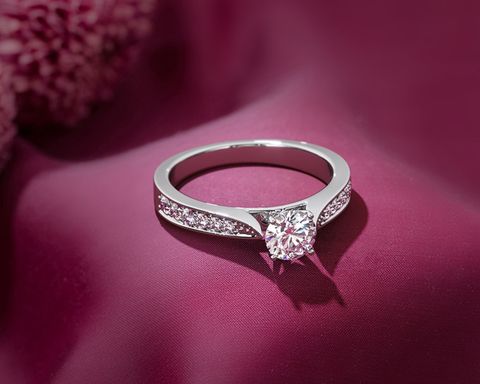
Solitaire Engagement Rings Explained: Explore Styles, Diamond Cuts, Settings & Design Features
By: Lavit
Updated: August 10, 2026
Read More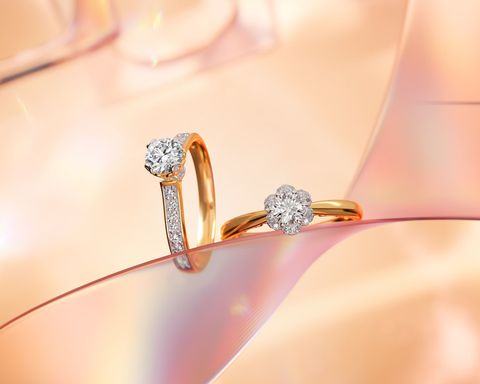
Explore Solitaire Engagement Rings: A Complete Guide with Facts, Tips, and Expert Advice
By: Lavit
Updated: January 16, 2026
Read More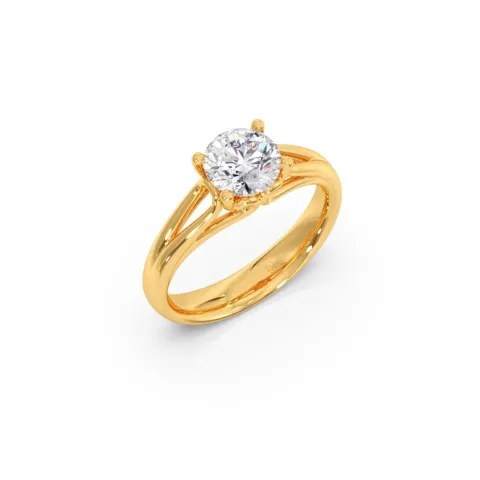
Explore Solitaire Engagement Rings: A Complete Guide with Facts, Tips, and Expert Advices
By: Lavit
Updated: August 14, 2026
Read More