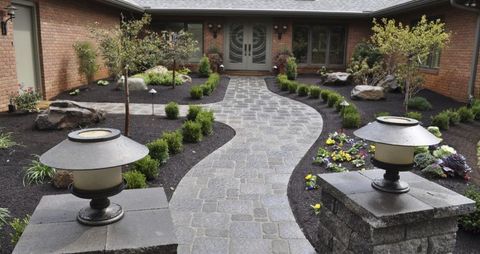
Sod Installation: Complete Guide to Creating a Healthy and Beautiful Lawn
Sod installation is one of the fastest ways to create a lush, green lawn without waiting for grass seed to grow.
Instead of planting seeds and waiting several weeks or months for full coverage, sod provides an instant lawn that can transform residential, commercial, and public landscapes in a short time. Whether you are improving a backyard, upgrading a garden, or enhancing a business property, proper sod installation plays an important role in achieving healthy and long-lasting grass.
A successful lawn depends on more than simply placing sod on the ground. Soil preparation, proper watering, correct installation techniques, and ongoing lawn maintenance all contribute to healthy root development. Understanding each step helps homeowners and property managers create an attractive outdoor space that remains green throughout the growing season.
This guide explains sod installation, its types, installation process, practical benefits, maintenance tips, and future landscaping trends in simple and easy-to-understand language.
Understanding the Concept
Sod is pre-grown grass that is harvested with a thin layer of soil and roots attached. The grass is grown on farms until it reaches maturity, then cut into rolls or sections for installation at homes, parks, sports fields, and commercial landscapes.
Unlike grass seed, sod provides immediate ground coverage. Once installed correctly, the roots gradually grow into the prepared soil underneath, creating a strong and healthy lawn.
Professional landscaping projects often use sod because it reduces soil erosion, improves outdoor appearance quickly, and provides a more uniform lawn compared to traditional seeding methods.
Key Types or Categories
Different grass varieties are selected based on climate, sunlight, soil conditions, and intended use.
Warm-Season Sod
Warm-season grasses grow best in regions with long, hot summers.
Common varieties include:
- Bermuda Grass
- Zoysia Grass
- St. Augustine Grass
- Centipede Grass
These grasses are known for drought tolerance and efficient growth during warm weather.
Cool-Season Sod
Cool-season grasses perform well in moderate and cooler climates.
Popular choices include:
- Kentucky Bluegrass
- Tall Fescue
- Fine Fescue
- Perennial Ryegrass
They maintain healthy growth during cooler temperatures and develop dense, attractive lawns.
Residential Lawn Sod
Residential sod is designed for home landscapes and gardens.
It provides:
- Attractive appearance
- Comfortable outdoor spaces
- Improved curb appeal
- Durable lawn coverage
Commercial Landscape Sod
Commercial properties often require sod that can tolerate frequent foot traffic while maintaining a professional appearance.
Common applications include:
- Office buildings
- Hotels
- Educational campuses
- Healthcare facilities
- Retail centers
Important Subsections
Soil Preparation
Proper soil preparation is the foundation of successful sod installation.
Before laying sod:
- Remove weeds
- Clear rocks and debris
- Loosen compacted soil
- Add organic matter if needed
- Level the surface
Healthy soil supports stronger root development.
Choosing the Right Grass
Selecting the appropriate grass depends on several factors:
- Local climate
- Sunlight exposure
- Soil type
- Water availability
- Foot traffic
Choosing the correct variety improves long-term lawn performance.
Watering Requirements
Newly installed sod requires consistent watering while roots establish themselves.
Watering schedules gradually decrease as the lawn becomes established.
Lawn Fertility
Healthy lawns benefit from balanced nutrients that encourage root growth and maintain vibrant green color.
Proper fertilization supports long-term lawn health.
How It Works
Sod installation follows several simple steps.
Step 1: Prepare the Area
The installation area should be cleaned and leveled.
Remove:
- Existing grass
- Weeds
- Rocks
- Construction debris
Smooth soil improves sod contact.
Step 2: Improve Soil Quality
Before installation, soil may be improved by adding compost or other organic materials.
Healthy soil promotes faster root establishment.
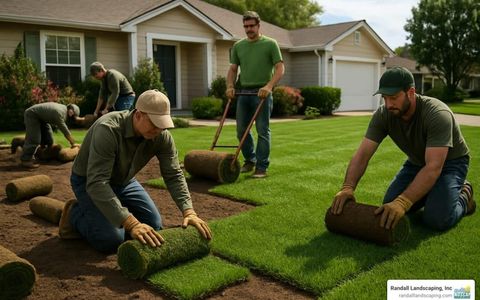
Step 3: Lay the Sod
Begin placing sod along a straight edge.
Arrange each piece tightly against the next without overlapping or leaving gaps.
Stagger joints in a brick-like pattern for better stability.
Step 4: Roll the Lawn
Using a lawn roller helps improve contact between sod roots and soil.
Good contact encourages quicker rooting.
Step 5: Water Immediately
Water the lawn immediately after installation.
The soil beneath the sod should remain moist during the early establishment period.
Benefits and Advantages
Sod installation offers many practical benefits.
Instant Green Lawn
Unlike grass seed, sod creates an immediate finished appearance.
Properties become visually attractive almost immediately after installation.
Reduced Soil Erosion
Dense grass coverage protects soil from erosion caused by rain and wind.
This is especially valuable on sloped landscapes.
Weed Reduction
Because sod provides complete ground coverage, fewer weeds have opportunities to establish themselves.
Improved Property Appearance
Healthy lawns improve outdoor aesthetics and create welcoming environments for homes and businesses.
Better Outdoor Comfort
Grass provides comfortable spaces for recreation, relaxation, and outdoor activities.
Environmental Benefits
Healthy lawns contribute to:
- Reduced dust
- Improved air quality
- Cooler outdoor temperatures
- Better rainwater absorption
Real-World Examples or Applications
Sod installation is used across many landscapes.
Residential Properties
Homeowners use sod to create attractive front and back lawns.
It is also popular for new home construction.
Sports Fields
Athletic facilities require durable turf capable of handling regular use.
Professional sod helps create consistent playing surfaces.
Parks
Public parks use sod to establish green recreational spaces quickly.
Visitors benefit from attractive picnic and activity areas.
Commercial Properties
Hotels, shopping centers, office buildings, and educational institutions use sod to improve landscaping and create appealing outdoor environments.
Roadside Landscaping
Highways and public infrastructure projects often use sod to reduce erosion and improve visual appearance.
Important Factors to Understand
Several considerations affect successful sod installation.
Installation Timing
Installing sod during the active growing season encourages faster root establishment.
Climate conditions influence the ideal installation period.
Sunlight
Different grass varieties require different amounts of sunlight.
Understanding light conditions helps determine the most suitable sod type.
Drainage
Proper drainage prevents standing water and supports healthy root systems.
Poor drainage may lead to weakened grass.
Maintenance
Regular lawn care includes:
- Watering
- Mowing
- Fertilizing
- Weed management
- Seasonal inspections
Consistent maintenance supports long-lasting lawn quality.
Traffic Management
New sod should experience minimal foot traffic until roots become fully established.
Allowing sufficient establishment time improves durability.
Future Trends and Industry Insights
Lawn and landscape management continues to evolve through new technologies.
Smart Irrigation Systems
Modern irrigation systems automatically adjust watering schedules based on weather conditions and soil moisture.
This improves water efficiency.
Drought-Resistant Grass
Researchers continue developing grass varieties that require less water while maintaining healthy growth.
These varieties support sustainable landscaping.
Precision Lawn Management
Advanced sensors now monitor:
- Soil moisture
- Temperature
- Nutrient levels
- Irrigation performance
These technologies improve lawn maintenance decisions.
Sustainable Landscaping
Many property owners are incorporating environmentally responsible landscaping practices, including efficient irrigation, native plants, compost use, and water conservation strategies.
Conclusion
Sod installation provides an effective way to establish a healthy, attractive lawn in a relatively short time. By preparing the soil properly, selecting the appropriate grass variety, following correct installation techniques, and maintaining consistent lawn care, homeowners and property managers can enjoy durable and visually appealing landscapes.
Whether used for residential gardens, commercial properties, parks, sports fields, or public spaces, sod offers immediate ground coverage, improved soil protection, and long-term landscape value. As landscaping technology continues to advance, smart irrigation systems, sustainable lawn practices, and improved grass varieties will further enhance lawn quality and environmental responsibility.

Related Post...
Sod Installation: Complete Guide to Creating a Healthy and Beautiful Lawn
Updated: October 21, 2026
Read More

Hot Tub Installation Guide: Setup, Key Features, Types & Benefits
Updated: October 26, 2026
Read More