Smart Plug Sockets Overview: Features & Applications
Smart plug sockets have become a popular addition to modern connected homes, allowing users to control electrical devices through mobile applications, voice assistants, and automated schedules.
These compact devices connect traditional appliances to smart home ecosystems without requiring major electrical modifications.
From lighting and entertainment systems to small household appliances, smart plug technology helps improve convenience, energy monitoring, device management, and home automation. Understanding how smart plug sockets work, their features, applications, and selection considerations can help users make informed decisions when building a connected living environment.
Smart Plug Sockets at a Glance
Smart plug sockets are internet-connected devices that allow electrical appliances to be controlled remotely through smartphones, tablets, or voice-controlled systems. They can automate device schedules, monitor energy consumption, support smart home integration, and provide greater control over everyday electronics.
How Smart Plug Sockets Work
A smart plug is inserted into a standard electrical outlet, and the appliance is connected to the plug. The smart plug communicates through Wi-Fi, Bluetooth, Zigbee, Matter, or other wireless technologies.
The process typically works as follows:
- Connect the smart plug to a power outlet.
- Pair the device with a mobile application.
- Connect it to a wireless network.
- Assign the connected appliance.
- Create schedules, timers, or automation routines.
- Control the device remotely or through voice commands.
This setup transforms conventional devices into connected smart home devices.
Key Features of Smart Plug Technology
Modern smart plug sockets include a variety of useful capabilities.
Remote Device Control
Users can turn connected devices on or off from virtually anywhere using a smartphone application.
Scheduling and Automation
Smart plugs can automatically operate devices based on predefined schedules.
Common examples include:
- Lighting schedules
- Coffee makers
- Air purifiers
- Decorative lighting
- Fans
- Aquarium equipment
Energy Monitoring
Many energy monitoring smart plugs provide information about electricity usage.
This feature helps users understand consumption patterns and identify devices that consume more power.
Voice Assistant Compatibility
Many smart plug systems integrate with voice assistants, allowing hands-free operation through spoken commands.
Smart Home Integration
Smart plugs can work alongside smart lighting systems, smart thermostats, smart sensors, and other connected devices within a broader home automation platform.
Device Grouping
Users can create groups of devices that operate simultaneously through a single command or automation rule.
Types of Smart Plug Sockets
Different smart plug designs support different installation requirements and automation goals.
Wi-Fi Smart Plugs
Wi-Fi smart plugs connect directly to a wireless network and are among the most widely used smart home devices.
Bluetooth Smart Plugs
Bluetooth-enabled plugs communicate directly with nearby devices without relying on internet connectivity.
Zigbee Smart Plugs
Zigbee-based systems typically operate through a compatible smart home hub and are commonly used in larger home automation networks.
Matter-Compatible Smart Plugs
Matter-enabled devices are designed to improve interoperability between different smart home ecosystems.
Outdoor Smart Plugs
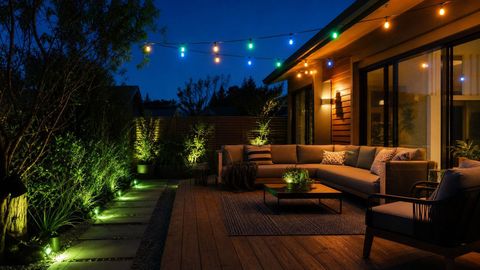
Outdoor smart plugs are designed for exterior environments and can support landscape lighting, decorative displays, and outdoor equipment.
Common Applications
Smart plug sockets can be used in many residential and commercial environments.
Smart Lighting Control
Smart plugs can automate lamps and decorative lighting without replacing existing fixtures.
Home Office Automation
Office equipment can be scheduled to operate during specific hours, helping create organized workflows.
Entertainment Systems
Users can manage televisions, speakers, streaming devices, and related electronics through centralized controls.
Energy Monitoring
Energy monitoring smart plugs help track electricity usage across different devices.
Seasonal Decorations
Holiday lighting and decorative displays can be scheduled automatically.
Appliance Management
Small appliances can be incorporated into automated routines to support convenience and efficiency.
Smart Plug Sockets and Smart Home Automation
Home automation continues to evolve through connected devices and intelligent control systems.
Smart plug sockets often serve as entry-level automation tools because they can connect existing appliances to broader smart home platforms.
A connected environment may include:
- Smart lighting
- Smart thermostats
- Smart security systems
- Smart sensors
- Smart speakers
- Smart door locks
- Energy monitoring devices
- Voice assistants
When integrated properly, these technologies can create coordinated automation routines throughout the home.
Factors to Consider Before Choosing a Smart Plug
Several factors should be evaluated when selecting a smart plug socket.
Connectivity Technology
Verify whether the device uses Wi-Fi, Bluetooth, Zigbee, Matter, or another communication standard.
Compatibility
Ensure compatibility with existing smart home ecosystems and voice assistant platforms.
Energy Monitoring Features
Users interested in energy efficiency may benefit from models that provide power consumption data.
Scheduling Functions
Review available scheduling and automation capabilities.
Electrical Capacity
Check that the plug supports the electrical requirements of the intended appliance.
Mobile Application Support
A reliable mobile application can simplify setup, monitoring, and device management.
Security Features
Connected devices should receive software updates and support secure communication protocols.
Best Practices for Smart Plug Usage
Following practical guidelines can help improve reliability and convenience.
- Use smart plugs within recommended electrical limits.
- Keep device firmware updated.
- Secure wireless networks appropriately.
- Create organized automation schedules.
- Monitor energy consumption regularly.
- Verify compatibility before installation.
- Use outdoor-rated models for exterior environments.
- Label connected devices clearly in the application.
These practices can contribute to a smoother smart home experience.
Benefits of Smart Plug Sockets
Smart plug technology offers several practical advantages.
- Enables remote device control
- Supports home automation routines
- Improves scheduling convenience
- Provides energy monitoring capabilities
- Integrates with connected home systems
- Supports voice-controlled operation
- Helps manage household electronics
- Enhances device accessibility
- Simplifies lighting automation
- Expands smart home functionality
- Supports efficient device management
- Works with many existing appliances
Limitations and Considerations
While smart plug sockets provide useful functionality, several considerations should be kept in mind.
- Wireless connectivity may influence performance.
- Not all devices are compatible with every smart home ecosystem.
- Some appliances may require manual restart after power interruptions.
- Energy monitoring features vary by model.
- Automation capabilities differ between manufacturers.
Understanding these factors can help users select the most suitable solution.
Latest Developments in Smart Plug Technology
Smart plug technology continues to evolve through improved connectivity standards, energy management features, and interoperability.
Recent developments include:
- Matter compatibility
- Enhanced energy analytics
- Improved automation routines
- Better integration with smart ecosystems
- Advanced scheduling capabilities
- Expanded voice assistant support
- Real-time device monitoring
- Improved security updates
These developments are helping connected home devices become more flexible and easier to manage.
Frequently Asked Questions
What is a smart plug socket?
A smart plug socket is a connected device that allows users to control electrical appliances remotely through mobile applications, automation platforms, or voice assistants.
How do smart plug sockets work?
They connect between a wall outlet and an appliance, enabling wireless communication and remote control through a compatible application or automation system.
Can smart plugs monitor energy usage?
Many models include energy monitoring features that provide information about electricity consumption and usage patterns.
Are smart plugs compatible with voice assistants?
Many smart plugs support voice assistant integration, allowing devices to be controlled through spoken commands.
Can smart plugs automate household devices?
Yes. Smart plugs can create schedules, timers, and automation routines for connected devices.
Are outdoor smart plugs available?
Yes. Outdoor-rated smart plugs are designed for exterior lighting, decorative displays, and selected outdoor equipment.
What connectivity options do smart plugs use?
Common technologies include Wi-Fi, Bluetooth, Zigbee, and Matter-supported connectivity.
Do smart plugs work with existing appliances?
Many conventional appliances can be controlled through smart plugs, provided they are compatible with the plug's operating requirements.
Key Takeaways
- Smart plug sockets add connectivity to traditional appliances.
- Remote control and scheduling are among their most popular features.
- Energy monitoring helps users understand electricity consumption.
- Smart plugs support broader home automation systems.
- Multiple connectivity technologies are available.
- Compatibility should be verified before installation.
- Modern systems increasingly support Matter and advanced integration features.
Conclusion
Smart plug sockets provide a practical way to introduce automation into homes and workplaces without replacing existing appliances. Through remote control, scheduling, energy monitoring, and smart home integration, these devices help users manage electronics more efficiently while improving convenience and connectivity.
As smart home technology continues to expand, smart plug systems are becoming increasingly capable through improved interoperability, enhanced automation features, and broader ecosystem compatibility. Understanding connectivity options, compatibility requirements, security considerations, and energy management capabilities can help users select solutions that fit their connected living goals.
Call to Action
Before choosing a smart plug socket, compare connectivity standards, automation features, energy monitoring capabilities, and compatibility with your existing smart home ecosystem to ensure a smooth and reliable experience.

Related Post...
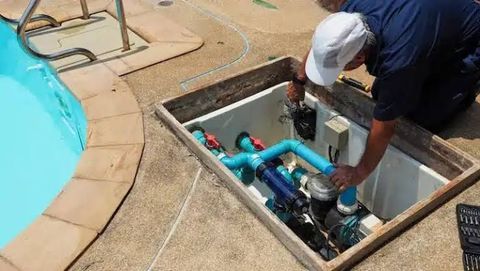
Pool Heater Installation: Complete Guide to Heating Systems, Installation Methods, and Maintenance
Updated: September 30, 2026
Read More