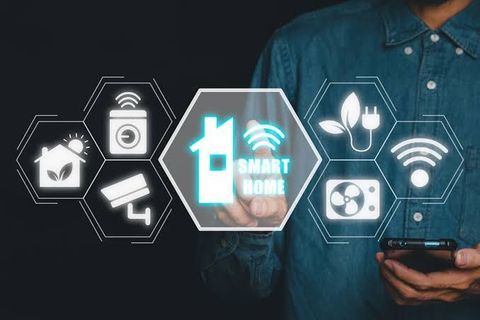
Smart Home Voice Control Guide: Connected Devices, Automation Features, Privacy Factors, and Technology Tips
Smart home voice control allows users to interact with connected household devices through spoken commands.
Depending on the technology, voice commands can control:
Smart lighting
Thermostats
Smart plugs
Door locks
Cameras
Doorbells
Entertainment systems
Appliances
Home security devices
Connected home routines
Voice control can be integrated with a broader smart home ecosystem that connects devices, automation rules, mobile applications, sensors, and cloud-based platforms.
Why Smart Home Voice Control Matters
Voice interfaces can provide another way to interact with connected devices without manually opening an application or using a physical control.
A voice-controlled environment may support:
Hands-free device control
Automated routines
Lighting adjustments
Temperature changes
Media controls
Security notifications
Connected-device status checks
Scheduled actions
Multi-device commands
The capabilities depend on the specific devices, platform, network, software, and integrations being used.
How Voice-Controlled Smart Homes Work
A typical voice-control process can involve several stages:
Voice Command → Voice Recognition → Intent Processing → Connected Platform → Device Action
A compatible microphone or smart device captures the spoken command.
The system then interprets the request and determines which action or connected device corresponds to the command.
Depending on the architecture, processing may occur locally, through a connected hub, or through cloud-based infrastructure.
The final action can involve one device or multiple connected devices.
Common Smart Home Voice-Control Features
Smart Lighting
Voice commands can be used to control compatible lights.
Potential functions include:
Turning lights on or off
Adjusting brightness
Activating predefined scenes
Controlling groups of lights
Scheduling lighting routines
Some systems can combine lighting with other devices through automation routines.
Smart Thermostats
Compatible thermostats can respond to voice commands for selected functions.
These may include:
Temperature adjustments
Mode changes
Temperature status
Scheduled settings
Comfort routines
The exact functionality depends on the thermostat and connected platform.
Smart Plugs
Smart plugs can provide voice control for compatible electrical devices.
A user may be able to turn connected equipment on or off through a voice command.
Users should consider the electrical rating and intended use of a smart plug before connecting equipment.
Smart Locks
Compatible smart locks may support voice-related features through an integrated platform.
Depending on the system, voice control may be limited to certain commands or may require additional authentication for security-sensitive actions.
Smart Cameras and Doorbells
Connected cameras and doorbells can integrate with voice platforms for functions such as:
Viewing compatible camera feeds
Checking device status
Receiving alerts
Controlling compatible displays
Because these devices can process information about people and property, privacy and account-security considerations are particularly important.
Smart Home Automation Routines
Voice control can become more useful when combined with automation.
A routine can connect several actions to a single command or trigger.
For example:
Voice Command → Lights On → Thermostat Adjustment → Media Device Activation
Other automation triggers can include:
Time of day
Motion detection
Door activity
Temperature
Device status
Geofencing
Scheduled events
The available triggers vary by platform and connected-device compatibility.
Smart Home Hubs and Ecosystems
A smart home may contain devices from multiple manufacturers.
A hub or integrated smart-home platform can help coordinate compatible products.
Important considerations include:
Device compatibility
Communication protocols
Account integration
Automation support
Local versus cloud processing
Mobile applications
Security features
Software updates
Before adding devices, users should check whether the products support the same ecosystem or interoperability standard.
Connectivity and Network Requirements
Voice-controlled smart homes depend on reliable connectivity.
Potential requirements include:
Wi-Fi
Bluetooth
Thread
Zigbee
Z-Wave
Ethernet
Internet connectivity
Compatible smart-home hubs
Some devices can operate locally when internet connectivity is unavailable, while others may depend more heavily on cloud services.
Network reliability can therefore affect smart-home functionality.
Voice Recognition and AI Technology
Modern voice-control systems increasingly use artificial intelligence and natural-language processing.
These technologies can help systems interpret different ways of expressing the same request.
For example, users may communicate with a device using natural phrases rather than a rigid command format.
AI-enabled systems may also support:
Contextual commands
Multi-step instructions
Personalized routines
Natural-language interaction
Device recommendations
Automated responses
The capabilities and limitations depend on the specific technology and software platform.
Privacy Considerations
Voice-controlled devices can process sensitive information because microphones may operate within private living spaces.
Important privacy questions include:
When does the device listen?
Where is voice information processed?
Is audio stored?
How long is information retained?
Can stored recordings be deleted?
Who can access account information?
Is voice data used for product improvement?
Which third parties receive information?
What privacy controls are available?
Privacy policies and settings should be reviewed before enabling voice features on connected devices.
Smart Home Security
Connected voice-control systems can introduce cybersecurity considerations.
Security measures may include:
Strong account passwords
Multi-factor authentication
Device access controls
Secure Wi-Fi configuration
Regular software updates
Separate guest networks where appropriate
Updated router firmware
Device permission reviews
Removal of unused devices
Smart-home security should be considered across the entire ecosystem rather than focusing only on the voice assistant.
Voice-Controlled Security Features
Security-sensitive commands may require additional safeguards.
For example, systems may restrict voice control for:
Door unlocking
Security-system changes
Sensitive account actions
Purchases
Access to private information
Additional authentication can help reduce the consequences of an unauthorized voice command or compromised account.
Smart Home Accessibility
Voice control can provide an alternative interface for people who may find physical controls or smartphone applications difficult to use.
Potential applications include:
Lighting control
Temperature adjustment
Media control
Appliance interaction
Routine activation
Device status checks
Accessibility depends on the specific device, interface, speech-recognition performance, and user's circumstances.
Smart Home Device Compatibility
Compatibility should be considered before expanding a smart-home system.
Important questions include:
Does the device support the chosen voice platform?
Does it require a separate hub?
Does it support local control?
What connectivity protocol does it use?
Can it participate in routines?
Does it receive security updates?
Can the account be protected with multi-factor authentication?
What happens if the manufacturer stops supporting the device?
Compatibility can affect the long-term usefulness of a smart-home installation.
Smart Home Automation Planning
A structured approach can help organize a connected-home system.
A basic planning sequence is:
Identify Needs → Select Platform → Check Compatibility → Configure Devices → Create Routines → Review Security → Monitor Performance
Users can start with a small number of devices and expand the system as compatibility and automation requirements become clearer.
Recent Developments
Smart-home technology continues to evolve through improvements in artificial intelligence, natural-language interfaces, interoperability, energy monitoring, automation, and device security.
Current areas of development include:
More natural voice interactions
AI-assisted home automation
Improved device interoperability
Local processing
Smart-home energy management
Connected security systems
More advanced automation routines
Expanded device ecosystems
Improved privacy controls
Interoperability standards are also becoming increasingly relevant as consumers connect products from different manufacturers.
Privacy and Regulatory Considerations
Smart-home voice systems can involve personal information, household data, account information, and potentially recordings or other usage data.
Depending on the provider and jurisdiction, relevant considerations may include:
Privacy policies
Data-retention practices
Consumer privacy requirements
Children's privacy considerations
Data deletion mechanisms
Account-security requirements
Third-party data sharing
Cross-border data processing
Requirements can vary according to the technology provider, location, type of information, and applicable law.
Smart Home Voice Control Checklist
Before configuring voice-controlled devices, users can review:
Identify which devices need voice control
Select a compatible smart-home platform
Check device compatibility
Review network requirements
Configure strong account security
Enable multi-factor authentication where available
Review microphone and privacy settings
Check voice-data retention controls
Review device permissions
Install available security updates
Create only necessary automation routines
Review security-sensitive voice commands
Remove unsupported or unused devices
Periodically review connected accounts
Tools and Resources
Useful resources for smart-home voice-control planning include:
Smart-home platform documentation
Device compatibility databases
Router and network-management tools
Smart-home automation applications
Manufacturer security documentation
Privacy policies
Account-security settings
Device firmware-update tools
Smart-home interoperability resources
Consumer privacy resources
Frequently Asked Questions
What is smart home voice control?
Smart home voice control allows users to interact with compatible connected devices through spoken commands.
What devices can be controlled by voice?
Depending on compatibility, users may control lights, thermostats, smart plugs, entertainment systems, cameras, doorbells, appliances, and other connected devices.
Does smart home voice control require internet access?
It depends on the device and platform. Some functions can operate locally, while others depend on cloud connectivity.
Is smart home voice control secure?
Security depends on the devices, accounts, network configuration, software updates, permissions, and privacy controls. Strong account security and regular updates can help reduce common risks.
How can I improve smart-home privacy?
Review microphone settings, voice-data retention policies, account permissions, connected-device access, privacy controls, and available data-deletion options.
Conclusion
Smart home voice control connects spoken commands with connected devices, automation routines, and broader home-management systems.
Effective planning involves more than selecting a voice assistant. Device compatibility, network connectivity, automation capabilities, privacy, cybersecurity, account protection, and long-term software support can all affect the experience.
Because smart-home technologies and privacy practices vary between providers and devices, users should review current product documentation, security settings, and privacy policies before configuring connected-home systems.

Related Post...

Estate Executor Guide: Probate Duties, Asset Management, Legal Documents, and Practical Tips
Updated: October 05, 2026
Read More