Small Business Loans for Growth and Expansion
Small businesses often need additional funding to expand operations.
Small Business Loans
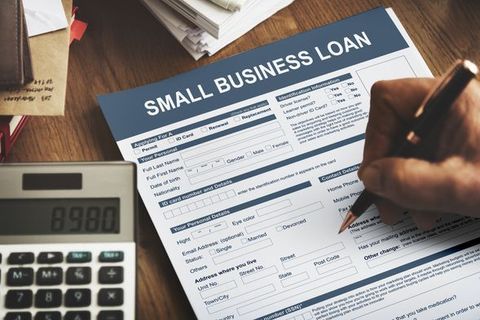
Small business loans for growth and expansion provide financing that eligible businesses can use for purposes such as purchasing equipment, increasing inventory, hiring employees, or opening additional locations.
Choosing the right small business loan requires understanding available financing options, eligibility requirements, interest rates, and repayment conditions. Business owners should evaluate their financial position before borrowing to determine whether additional funding supports their long-term objectives.
Importance of Business Loans for Growth
Access to financing can help businesses manage opportunities that require more capital than their existing resources provide. For example, a company experiencing increased customer demand may need additional inventory, staff, or equipment to maintain its operations.
Business financing can also help manage planned expansion expenses without relying entirely on existing cash reserves. However, borrowing creates repayment obligations, making financial planning an important part of the decision.
Common Reasons Businesses Seek Financing
Business owners may consider applying for small business loans for several reasons:
Business expansion: Funding may support opening new branches, entering different markets, or increasing production capacity.
Equipment purchases: Loans can help finance machinery, computers, vehicles, and other business assets.
Inventory management: Additional capital may help businesses purchase stock before periods of increased demand.
Employee recruitment: Growing companies may require additional employees and resources.
Working capital: Financing can help manage everyday operating expenses and temporary cash flow gaps.
How Financing Supports Business Development
Additional funding can provide businesses with financial resources to implement expansion plans. It may also allow owners to spread major expenses over a defined repayment period instead of paying the entire amount immediately.
However, loan funding does not guarantee business success. Market conditions, customer demand, operating costs, and management decisions continue to influence business performance.
Types of Small Business Loan Options
Different financing products serve different business requirements. Understanding the differences can help owners identify suitable small business loan options.
Term Loans
A term loan provides a fixed amount of money that the borrower repays over an agreed period. Repayment usually includes principal and interest according to the loan agreement.
Businesses commonly consider term loans for planned investments, equipment purchases, and expansion projects. Interest rates, repayment schedules, and collateral requirements depend on the lender and loan product.
Business Lines of Credit
A business line of credit provides access to an approved borrowing limit. Businesses can withdraw funds when required and generally pay interest on the amount used, subject to the agreement.
This option may help manage changing working capital requirements. However, fees, withdrawal conditions, and repayment rules should be reviewed carefully.
Equipment Financing
Equipment financing is designed for purchasing business-related machinery, vehicles, technology, or other equipment. Depending on the agreement, the purchased equipment may serve as collateral.
This type of financing can be useful when a business needs specific assets to increase operational capacity.
Working Capital Loans
Working capital loans help businesses manage short-term operating expenses. These may include inventory purchases, payroll, utilities, and other routine business costs.
Their repayment periods and costs vary, so owners should compare the terms with their expected cash flow.
Comparing Small Business Loan Options
Comparing financing products involves more than checking the advertised interest rate. Borrowers should also consider repayment periods, additional charges, collateral, and eligibility requirements.
| Loan Type | Common Purpose | Important Consideration |
|---|---|---|
| Term Loan | Expansion and major investments | Fixed repayment obligations |
| Business Line of Credit | Changing cash flow needs | Interest and fees on usage |
| Equipment Financing | Machinery and equipment | Asset-related security |
| Working Capital Loan | Daily operating expenses | Short-term repayment capacity |
| Business Expansion Loan | New locations and increased capacity | Project costs and expected returns |
The most appropriate financing option depends on the business's financial condition, funding requirements, and repayment capacity.
Factors to Consider Before Applying
Before deciding to apply for a small business loan, owners should review their financial documents and understand the complete borrowing cost. A suitable loan should match the business's funding needs and realistic ability to make repayments.
Interest Rates and Loan Costs
Small business loan rates can vary according to the lender, loan type, repayment period, credit profile, and other risk factors. Some loans have fixed interest rates, while others may have variable rates.
Borrowers should review the annual percentage rate where available, processing fees, service charges, late payment fees, and other applicable costs. Comparing the total repayment amount can provide a clearer understanding of the financial commitment.
Eligibility and Documentation
Business loan eligibility requirements differ between lenders. Common assessment factors include:
Business operating history and registration details.
Revenue, profitability, and cash flow records.
Business owner's credit history, where applicable.
Existing debts and repayment obligations.
Business plans and projected funding requirements.
Lenders may also request financial statements, tax records, bank statements, identity documents, and business registration information.
Repayment Capacity
Before borrowing, business owners should estimate how monthly repayments will affect their operating budget. Expected revenue should be assessed carefully rather than assuming that expansion will immediately increase income.
A financial forecast can help identify possible repayment difficulties and determine whether the proposed loan amount is reasonable.
How to Choose the Right Business Loan Provider
Selecting among small business loan providers requires reviewing their lending conditions, transparency, and suitability for the intended purpose. Businesses should compare several offers instead of making decisions based only on quick approval or advertised rates.
Compare Lender Terms
Review the following details before accepting a financing offer:
Total borrowing cost and applicable interest rate.
Loan duration and repayment frequency.
Collateral or personal guarantee requirements.
Additional fees and early repayment conditions.
Consequences of missed or delayed payments.
Reading the complete loan agreement can help prevent misunderstandings about financial obligations.
Prepare a Business Expansion Plan
A clear expansion plan explains why funding is required and how it will be used. It may include estimated project expenses, expected operating costs, revenue assumptions, and a proposed repayment strategy.
This information can help lenders evaluate an application and help business owners assess whether borrowing is financially reasonable.
Frequently Asked Questions
What Are the Best Small Business Loans for Expansion?
The best option depends on the intended investment, business financial position, repayment capacity, and available loan terms. Term loans and equipment financing are common options for planned expansion.
How Can I Apply for a Small Business Loan?
Applicants generally need to identify their funding requirements, compare lenders, review eligibility conditions, and submit the requested financial and business documents.
What Affects Small Business Loan Rates?
Interest rates may depend on credit history, business performance, loan amount, repayment period, collateral, and lender policies.
Can Startups Get Business Expansion Loans?
Some lenders offer financing to newer businesses, but eligibility conditions may be stricter. Available options depend on operating history, financial records, business plans, and lender requirements.
How Much Should a Business Borrow?
The borrowing amount should reflect actual project expenses and realistic repayment capacity. Businesses should avoid borrowing more than they can reasonably repay.
Conclusion
Small business loans can provide financial support for expansion, equipment purchases, inventory, and operating expenses. However, different financing options involve different costs, eligibility conditions, and repayment responsibilities.
Business owners should compare lenders, review loan agreements, and assess their financial position before borrowing.

Related Post...