Sleep Apnea Guide: Diagnostic Testing, CPAP Therapy, and Sleep Health
Sleep apnea is a sleep disorder in which breathing repeatedly stops or becomes reduced during sleep. The most common form is obstructive sleep apnea (OSA), which occurs when the upper airway becomes blocked or narrowed during sleep.
Because untreated sleep apnea can affect sleep quality and overall health, recognizing symptoms and obtaining appropriate medical evaluation can be important.
Understanding Sleep Apnea
Common signs associated with sleep apnea may include:
Loud or frequent snoring
Breathing pauses during sleep
Gasping or choking during sleep
Excessive daytime sleepiness
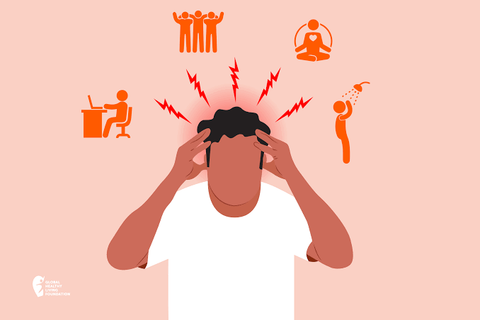
Morning headaches
Difficulty concentrating
Dry mouth after waking
Unrefreshing sleep
Symptoms can vary, and some people may not recognize nighttime breathing disruptions themselves.
Diagnostic Testing
A healthcare professional may recommend a sleep study when sleep apnea is suspected.
Testing can take place in different settings depending on the individual's circumstances.
| Test Type | General Purpose |
| Polysomnography | Comprehensive overnight sleep assessment |
| Home Sleep Apnea Test | Evaluates certain breathing-related sleep conditions at home |
| Sleep Monitoring | Tracks selected physiological signals during sleep |
Testing may monitor factors such as breathing patterns, oxygen levels, heart rate, airflow, and sleep-related activity.
A qualified healthcare professional interprets the results and determines whether additional evaluation is appropriate.
Obstructive Sleep Apnea
Obstructive sleep apnea occurs when the upper airway repeatedly becomes partially or completely blocked during sleep.
Factors associated with increased risk can include:
Excess body weight
Certain anatomical characteristics
Increasing age
Family history
Alcohol or sedative use
Certain medical conditions
Risk factors do not necessarily mean that someone has sleep apnea, so diagnosis should be based on appropriate medical evaluation.
CPAP Therapy
Continuous Positive Airway Pressure (CPAP) is a commonly used treatment for obstructive sleep apnea.
A CPAP system generally includes:
A small airflow device
Tubing
A breathing mask
Optional humidification
Adjustable treatment settings
The device provides a continuous flow of air that helps keep the airway open during sleep.
CPAP effectiveness can depend on appropriate settings, mask fit, consistent use, and individual circumstances.
Other Treatment Approaches
Treatment depends on the type and severity of sleep apnea and the individual's health needs.
Depending on the situation, healthcare professionals may consider:
Positive airway pressure therapies
Oral appliances
Positional therapy
Lifestyle changes
Weight management where appropriate
Treatment of contributing conditions
Certain surgical procedures
Not every treatment is appropriate for every patient.
Sleep Health and Daily Habits
Healthy sleep practices can support overall sleep quality.
Helpful habits may include:
Maintaining a consistent sleep schedule
Creating a comfortable sleeping environment
Limiting alcohol before bedtime
Discussing medication effects with a healthcare professional
Staying physically active as appropriate
Following prescribed treatment consistently
These habits should complement, rather than replace, appropriate medical care for diagnosed sleep apnea.
Monitoring CPAP Therapy
People using CPAP may monitor:
Hours of device use
Mask fit
Air leakage
Treatment comfort
Device-reported information
Changes in sleep quality
Regular follow-up can help determine whether treatment settings or equipment need adjustment.
When to Seek Medical Evaluation
Consider discussing symptoms with a healthcare professional when there is:
Persistent loud snoring
Witnessed breathing interruptions
Repeated nighttime gasping
Significant daytime sleepiness
Difficulty staying awake during routine activities
Persistent unrefreshing sleep
Prompt evaluation can help identify whether sleep apnea or another sleep disorder may be contributing to symptoms.
Frequently Asked Questions
What is sleep apnea?
Sleep apnea is a sleep disorder involving repeated interruptions or reductions in breathing during sleep. Obstructive sleep apnea is the most common form.
How is sleep apnea diagnosed?
Diagnosis may involve a medical evaluation and sleep testing, such as an overnight sleep study or an appropriate home sleep apnea test.
What is CPAP therapy?
CPAP therapy uses continuous positive airway pressure to help keep the upper airway open during sleep and is commonly used to treat obstructive sleep apnea.
Can sleep apnea be treated without CPAP?
Some people may have other treatment options depending on the type and severity of their condition. Healthcare professionals determine appropriate approaches based on individual circumstances.
How can someone improve sleep health?
Consistent sleep schedules, healthy routines, appropriate physical activity, and following recommended treatment can support better sleep health.
Conclusion
Sleep apnea can interfere with normal breathing during sleep and may affect daytime alertness and overall well-being. Diagnostic testing can help identify the condition, while CPAP and other treatment approaches may help manage appropriate cases.
Because symptoms and treatment needs vary, individuals with suspected sleep apnea should seek evaluation from a qualified healthcare professional. Following prescribed treatment and maintaining healthy sleep habits can support effective long-term sleep management.
Disclaimer
This article is provided for general educational and informational purposes only and does not constitute medical advice, diagnosis, or treatment. Sleep apnea symptoms can have different causes, and treatment decisions should be made with a qualified healthcare professional. Readers should seek appropriate medical evaluation for persistent symptoms or concerns about breathing during sleep.

Related Post...