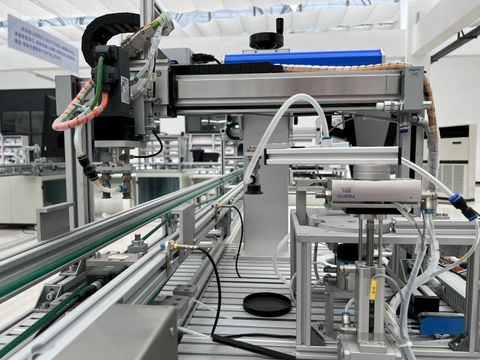
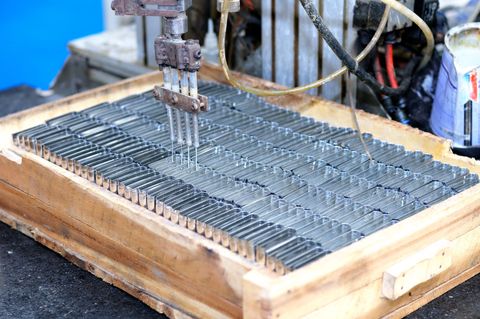
Semiconductor Industry Overview: Learn About Leading Companies, Manufacturing, and Technologies
The semiconductor industry plays an essential role in modern technology. Semiconductors are materials that have electrical properties between those of conductors and insulators. Their ability to control electrical current makes them suitable for creating electronic components used in computers, smartphones, vehicles, communication networks, medical equipment, industrial systems, and many other applications.
Semiconductor chips, also known as integrated circuits, contain electronic components such as transistors, resistors, and capacitors arranged to perform specific functions. These components help electronic devices process information, store data, manage power, and communicate with other systems.
The industry includes several interconnected areas, such as semiconductor research and development, integrated circuit design, chip manufacturing, equipment production, material development, and semiconductor packaging. Each area contributes to the development and production of modern electronic systems.
As demand for artificial intelligence, cloud computing, electric vehicles, advanced communication systems, and smart devices continues to influence technology development, semiconductor manufacturing and research have become increasingly important.
Understanding the semiconductor industry requires knowledge of its major companies, manufacturing processes, technologies, applications, and emerging trends.
Importance of the Semiconductor Industry
Semiconductors are fundamental components of digital infrastructure. They allow electronic devices to perform complex operations while managing energy consumption, processing speed, and data storage.
Several factors explain the importance of this industry.
Digital transformation: Computers, smartphones, tablets, and connected devices rely on semiconductor chips to perform everyday operations. Improvements in chip technology support more advanced digital applications.
Artificial intelligence development: AI systems require specialised processors to perform calculations, train models, and analyse large amounts of information. Graphics processing units, neural processing units, and other specialised chips support these activities.
Automotive technology: Modern vehicles use semiconductors for engine management, battery systems, driver assistance, navigation, entertainment, and safety functions.
Telecommunications: Semiconductor components support wireless communication, network infrastructure, signal processing, and high-speed data transmission.
Industrial automation: Factories use semiconductor-based sensors, controllers, processors, and power management systems to operate automated equipment.
Healthcare technology: Medical imaging equipment, patient monitoring systems, diagnostic instruments, and wearable health devices depend on electronic components.
Energy management: Semiconductor devices help regulate and convert electrical power in renewable energy installations, electric vehicles, and industrial systems.
The semiconductor industry therefore supports many other industries and contributes to the development of modern infrastructure.
Understanding the Semiconductor Industry Structure
The semiconductor ecosystem includes several types of companies. Some organisations focus on chip design, while others manufacture chips, develop production equipment, or provide specialised packaging technologies.
Understanding these categories helps explain how semiconductor products move from an initial concept to a finished component.
Integrated Circuit Design Companies
Integrated circuit design companies develop the architecture and electronic layouts of semiconductor chips. Their work involves determining how transistors and other electronic components should be arranged to perform specific functions.
Design activities include:
Defining chip architecture.
Developing circuit layouts.
Designing processor cores.
Creating memory structures.
Evaluating power consumption.
Testing design functionality through simulation.
Preparing designs for manufacturing.
Many design companies use specialised electronic design automation software to create and verify complex integrated circuits.
Some organisations manufacture their own chips, while others use external fabrication facilities to produce their designs.
Semiconductor Fabrication Companies
Semiconductor fabrication companies operate facilities known as fabrication plants or fabs. These facilities manufacture integrated circuits using highly controlled processes.
Fabrication involves preparing silicon wafers, creating microscopic circuit patterns, depositing materials, removing unwanted layers, and forming electrical connections.
Important fabrication activities include:
Wafer preparation.
Photolithography.
Thin-film deposition.
Etching.
Ion implantation.
Chemical mechanical polishing.
Wafer inspection and testing.
Fabrication facilities require specialised equipment, controlled environments, highly trained engineers, and carefully managed production processes.
Semiconductor Equipment Manufacturers
Semiconductor equipment manufacturers develop machines and systems used in chip production. These technologies support processes such as lithography, deposition, etching, inspection, cleaning, and wafer handling.
Their equipment helps fabrication companies create increasingly complex semiconductor structures.
Important equipment categories include:
Lithography systems.
Deposition equipment.
Etching systems.
Wafer cleaning equipment.
Metrology instruments.
Inspection systems.
Ion implantation equipment.
Wafer bonding systems.
Equipment manufacturers play a significant role in improving production precision and supporting the development of advanced chip technologies.
Semiconductor Packaging Companies
After fabrication, semiconductor chips must be prepared for integration into electronic systems. Packaging protects the chip and provides electrical connections between the semiconductor die and the surrounding circuit board or device.
Packaging companies work with technologies that support:
Chip protection.
Electrical connections.
Heat dissipation.
Mechanical stability.
Multiple-chip integration.
High-speed signal transmission.
Modern packaging methods are becoming increasingly important as electronic systems require greater computing performance and more compact designs.
Leading Semiconductor Industry Companies
The semiconductor ecosystem includes companies involved in chip design, fabrication, manufacturing equipment, memory, and packaging. Their activities vary depending on their business models and technological specialisations.
The following organisations are widely recognised participants in the global semiconductor industry.
1. Taiwan Semiconductor Manufacturing Company
Taiwan Semiconductor Manufacturing Company, commonly known as TSMC, is one of the world's major semiconductor foundries.
Its primary focus is manufacturing chips designed by other companies. TSMC produces semiconductor components for applications involving computing, smartphones, automotive electronics, networking, and artificial intelligence.
Important areas of its work include:
Advanced logic manufacturing.
Wafer fabrication.
Specialised semiconductor processes.
Advanced packaging technologies.
Research into next-generation manufacturing.
Its foundry business model allows semiconductor design companies to access large-scale manufacturing capabilities without operating their own fabrication facilities.
2. Intel Corporation
Intel is a major technology company involved in processor development, semiconductor manufacturing, and computing technologies.
The company has a long history in microprocessor development and continues to work on semiconductor manufacturing processes and advanced packaging.
Its semiconductor activities include:
Central processing units.
Data centre processors.
Computing platforms.
Semiconductor fabrication.
Advanced chip packaging.
Semiconductor research and development.
Intel's technologies are used in personal computers, enterprise systems, data centres, and other computing environments.
3. Samsung Electronics
Samsung Electronics is a major participant in the semiconductor industry, with activities in memory chips, logic semiconductors, and chip fabrication.
Its semiconductor operations support a wide range of electronic applications.
Major areas include:
Dynamic random-access memory.
NAND flash memory.
Mobile processors.
Semiconductor foundry manufacturing.
Advanced packaging.
Semiconductor process development.
Samsung's semiconductor technologies are used in smartphones, computers, data centres, consumer electronics, and industrial systems.
4. NVIDIA
NVIDIA is widely recognised for developing graphics processing units and specialised computing platforms.
Its technologies are used in gaming, artificial intelligence, scientific computing, robotics, and data centres.
Important areas include:
Graphics processing units.
AI computing accelerators.
Parallel processing technologies.
High-performance computing.
Networking technologies.
Software platforms for accelerated computing.
NVIDIA primarily operates as a chip design and computing platform company, using external manufacturing partners for the fabrication of many of its semiconductor products.
5. Advanced Micro Devices
Advanced Micro Devices, commonly called AMD, develops processors and graphics technologies for computing applications.
Its products support personal computers, servers, gaming systems, and specialised computing environments.
Its semiconductor activities include:
Central processing units.
Graphics processing units.
Data centre processors.
Embedded computing chips.
Adaptive computing technologies.
High-performance computing solutions.
AMD uses a fabless business model for much of its chip production, relying on external manufacturing partners.
6. ASML
ASML is a major semiconductor equipment manufacturer based in the Netherlands.
The company is particularly known for its lithography systems, which are used to create extremely small circuit patterns on semiconductor wafers.
Its technologies include:
Extreme ultraviolet lithography.
Deep ultraviolet lithography.
Lithography system components.
Computational lithography.
Metrology and inspection technologies.
Lithography is an essential part of semiconductor manufacturing because it determines how circuit patterns are transferred onto wafer surfaces.
7. Applied Materials
Applied Materials develops equipment, software, and related technologies used in semiconductor manufacturing and other advanced materials industries.
Its technologies support several important production processes.
Key areas include:
Material deposition.
Semiconductor etching.
Wafer inspection.
Process control.
Advanced packaging.
Materials engineering.
The company contributes to manufacturing processes used in logic chips, memory devices, and other semiconductor components.
8. Lam Research
Lam Research is a semiconductor equipment manufacturer focused on technologies used in chip fabrication.
Its equipment supports processes that create and modify microscopic structures on silicon wafers.
Important technology areas include:
Plasma etching.
Thin-film deposition.
Wafer cleaning.
Advanced packaging processes.
Semiconductor process development.
Its technologies are relevant to the production of advanced memory and logic devices.
9. Qualcomm
Qualcomm is a semiconductor and wireless technology company known for developing mobile processors, communication chips, and connectivity technologies.
Its products are used in smartphones, connected devices, automotive systems, and wireless infrastructure.
Its activities include:
Mobile system-on-chip platforms.
Cellular communication technologies.
Wireless connectivity.
Radio frequency components.
Automotive computing platforms.
Semiconductor research and development.
Qualcomm plays an important role in mobile computing and wireless communication ecosystems.
10. Broadcom
Broadcom develops semiconductor and infrastructure software technologies for networking, data centres, broadband, and wireless communication.
Its semiconductor portfolio includes products designed for high-performance electronic systems.
Important areas include:
Networking chips.
Wireless connectivity components.
Data centre semiconductors.
Broadband communication chips.
Storage connectivity technologies.
Custom semiconductor solutions.
Its technologies are used in enterprise networks, cloud infrastructure, telecommunications, and connected devices.
Semiconductor Manufacturing Process
Semiconductor manufacturing is a complex process involving multiple stages. It requires specialised equipment, precise environmental conditions, and careful quality control.
The manufacturing process usually begins with a silicon wafer and continues through several steps before the finished chips are packaged and tested.
Silicon Wafer Preparation
Silicon is one of the most widely used materials in semiconductor manufacturing.
High-purity silicon is processed into cylindrical crystals, which are then sliced into thin wafers. These wafers undergo polishing and cleaning to create smooth surfaces suitable for semiconductor fabrication.
The quality of the wafer surface is important because even small imperfections can affect the manufacturing process.
Photolithography
Photolithography is a process used to transfer circuit patterns onto a wafer.
A light-sensitive material called photoresist is applied to the wafer. The wafer is then exposed to light through a patterned mask or reticle. The exposed or unexposed regions are developed, creating a pattern for subsequent manufacturing steps.
Photolithography is essential for defining the small structures that form integrated circuits.
Thin-Film Deposition
Deposition involves adding extremely thin layers of materials to the wafer surface.
These layers may serve as conductors, insulators, or semiconductor materials.
Common deposition methods include:
Chemical vapour deposition.
Physical vapour deposition.
Atomic layer deposition.
Epitaxial deposition.
Different materials and deposition methods are selected according to the requirements of the circuit design.
Etching
Etching removes selected portions of material from the wafer to create circuit structures.
Two common approaches are:
Wet etching, which uses chemical solutions.
Dry etching, which uses gases or plasma-based processes.
The choice depends on material properties, pattern requirements, and manufacturing specifications.
Doping and Ion Implantation
Doping introduces selected impurities into semiconductor materials to change their electrical properties.
Ion implantation is a commonly used method for introducing these impurities into specific regions of a wafer.
This process helps create the electrical characteristics needed for transistors and other semiconductor components.
Chemical Mechanical Polishing
Chemical mechanical polishing, often called CMP, removes excess material and creates a flatter wafer surface.
It is used at different stages of semiconductor manufacturing to prepare the wafer for additional processing.
Surface flatness is particularly important when multiple layers of circuits are built on top of one another.
Testing and Inspection
Semiconductor wafers undergo inspection and electrical testing to identify manufacturing defects and evaluate chip functionality.
Testing can take place at different stages, including wafer-level testing and final packaged-chip testing.
The results help manufacturers assess product quality and identify problems during production.
Packaging and Assembly
After fabrication and wafer testing, individual semiconductor dies are separated from the wafer and prepared for packaging.
The packaging process provides physical protection, electrical connections, and thermal management.
The completed semiconductor component can then be integrated into electronic equipment.
Semiconductor Technologies and Integrated Circuit Design
Semiconductor technology continues to develop as computing systems require greater processing capabilities, improved energy efficiency, and smaller electronic components.
Integrated circuit design combines several technologies and engineering disciplines to create functional semiconductor devices.
Central Processing Units
Central processing units, or CPUs, execute instructions and coordinate operations in computers and other electronic devices.
They perform general-purpose computing tasks and manage interactions between different hardware components.
CPUs are commonly used in:
Personal computers.
Servers.
Workstations.
Industrial controllers.
Embedded computing systems.
Graphics Processing Units
Graphics processing units, or GPUs, are designed to handle many calculations simultaneously.
They are widely used in graphics rendering, scientific computing, machine learning, and artificial intelligence.
Their parallel processing capabilities make them suitable for workloads involving large numbers of similar mathematical operations.
Memory Chips
Memory semiconductors store data and instructions required by electronic systems.
Common categories include:
DRAM: Used as working memory in computers and other electronic devices.
NAND flash: Used in solid-state drives, memory cards, and storage devices.
SRAM: Commonly used in processor caches and other high-speed memory applications.
Different memory technologies have different characteristics relating to speed, capacity, power consumption, and data retention.
System-on-Chip Technology
A system-on-chip, commonly called SoC, integrates several electronic functions into one semiconductor device.
An SoC may include a processor, graphics unit, memory controllers, communication components, and other specialised circuits.
These chips are commonly used in smartphones, tablets, wearable devices, and embedded systems.
Power Semiconductors
Power semiconductors manage electrical energy in electronic systems.
They are used in electric vehicles, renewable energy systems, industrial equipment, and power supplies.
Common technologies include silicon-based power devices, silicon carbide, and gallium nitride.
These materials have different electrical and thermal characteristics, making them suitable for different applications.
Advanced Chip Manufacturing and Semiconductor Packaging Technology
Advanced chip manufacturing focuses on creating increasingly complex semiconductor devices while improving performance, energy efficiency, and production precision.
Several technological developments are influencing this area.
Advanced Process Nodes
Semiconductor manufacturers use different process technologies to describe generations of chip manufacturing.
Smaller process nodes can allow greater transistor density, although the relationship between node names and actual physical dimensions is not straightforward.
Modern manufacturing involves complex transistor structures, materials, and production techniques.
FinFET Technology
Fin Field-Effect Transistors, commonly called FinFETs, use a three-dimensional transistor structure.
The gate surrounds multiple sides of the channel, providing improved control over electrical current compared with traditional planar transistor structures.
FinFET technology has been important in the development of advanced logic chips.
Gate-All-Around Transistors
Gate-All-Around, or GAA, transistor structures surround the transistor channel with the gate material.
This design provides greater control over the channel and supports continued development of advanced semiconductor manufacturing processes.
Nanosheet transistor structures are one implementation of this technology.
Chiplet Architecture
Chiplet architecture divides a complex semiconductor system into smaller functional components known as chiplets.
These components can be combined within one package to create a larger computing system.
Potential advantages include:
Flexible chip design.
Reuse of individual components.
Integration of different manufacturing technologies.
Improved design scalability.
More options for specialised computing systems.
2.5D and 3D Packaging
Advanced semiconductor packaging allows multiple dies to be integrated within a single package.
2.5D packaging can use an interposer or other high-density connection structure to connect multiple chips.
3D packaging involves stacking semiconductor dies vertically to create shorter connections and higher integration density.
These technologies are increasingly important for high-performance computing, artificial intelligence, and advanced memory systems.
Semiconductor Research and Development
Semiconductor research and development is essential for improving chip architecture, manufacturing processes, materials, and packaging technologies.
Companies, universities, research laboratories, and government-supported institutions contribute to semiconductor innovation.
Major research areas include:
New semiconductor materials: Researchers investigate materials such as silicon carbide, gallium nitride, and other compound semiconductors for specialised applications.
Advanced transistor structures: New transistor designs aim to improve electrical control, performance, and energy efficiency.
Lithography development: Research focuses on improving patterning precision and supporting increasingly complex chip structures.
AI-assisted chip design: Artificial intelligence and machine learning tools are being explored to support circuit design, verification, and manufacturing analysis.
Advanced packaging: Researchers are developing improved methods for connecting multiple chips and managing heat within compact packages.
Manufacturing automation: Automation and data analysis can support process monitoring, equipment maintenance, and production quality.
Research and development helps the semiconductor industry respond to changing requirements in computing, communication, automotive electronics, and industrial technology.
Semiconductor Industry Applications
Semiconductor components are used in a broad range of industries. Their applications continue to expand as digital systems become more integrated into everyday activities.
Consumer Electronics
Smartphones, televisions, laptops, tablets, digital cameras, and smart home devices use semiconductor chips for processing, memory, connectivity, and power management.
Automotive Electronics
Modern vehicles use semiconductors in engine control systems, battery management, navigation, infotainment, sensors, and advanced driver assistance systems.
Electric vehicles also require power semiconductor devices to manage energy conversion and motor control.
Artificial Intelligence and Data Centres
AI computing systems use specialised processors and memory components to handle large datasets and complex calculations.
Data centres depend on CPUs, GPUs, networking chips, storage controllers, and power management semiconductors.
Telecommunications
Communication infrastructure uses semiconductor devices in signal processing, wireless networks, optical communication systems, and broadband equipment.
Medical Equipment
Medical devices use semiconductor components in imaging systems, monitoring equipment, diagnostic instruments, and portable healthcare technologies.
Industrial Automation
Factories and industrial facilities use chips in programmable controllers, sensors, robotics, motor drives, and monitoring systems.
Aerospace and Defence
Aerospace systems use specialised semiconductor components for communication, navigation, control, sensing, and data processing. These applications may require additional reliability and environmental testing.
Semiconductor Industry Trends in 2025–2026
The semiconductor industry is experiencing significant changes as demand for computing power, advanced electronics, and energy-efficient systems continues to influence research and manufacturing.
The following trends are particularly important.
Artificial Intelligence Chip Development
Artificial intelligence has increased interest in specialised processors designed for machine learning and data-intensive workloads.
GPUs, AI accelerators, neural processing units, and custom-designed chips are becoming important parts of computing infrastructure.
Research is also focused on improving memory bandwidth, processing efficiency, and communication between computing components.
Growth of Advanced Packaging
As chip designs become more complex, advanced packaging is gaining importance.
Chiplets, 2.5D integration, 3D stacking, and high-bandwidth memory integration help manufacturers combine different semiconductor components into sophisticated systems.
Expansion of Semiconductor Manufacturing Capacity
Several countries and companies are investing in semiconductor fabrication facilities and supporting infrastructure.
These developments are influenced by demand for advanced chips, supply-chain resilience, national technology priorities, and the need for specialised manufacturing capabilities.
Automotive Semiconductor Development
The growth of electric vehicles, connected cars, and driver assistance systems is increasing the importance of automotive semiconductors.
Power management devices, sensors, microcontrollers, and high-performance processors are important areas of development.
Power Semiconductor Innovation
Silicon carbide and gallium nitride technologies are receiving attention because of their potential applications in power conversion and high-efficiency electrical systems.
These materials are relevant to electric vehicles, renewable energy, charging infrastructure, and industrial power electronics.
Semiconductor Manufacturing Automation
Manufacturing facilities increasingly use automated systems, sensors, data analysis, and process monitoring.
These technologies can help identify production variations, monitor equipment performance, and improve manufacturing consistency.
Supply Chain Diversification
The semiconductor industry depends on international networks involving raw materials, equipment, fabrication, packaging, and testing.
Companies and governments are examining ways to diversify manufacturing locations and strengthen supply-chain resilience.
These trends are expected to remain important areas of industry development, although the pace of progress varies across semiconductor categories.
Semiconductor Industry in India
India is working to strengthen its position in the global semiconductor ecosystem through policy initiatives, research, infrastructure development, and industry partnerships.
The country's semiconductor activities include chip design, electronic systems development, research, and emerging manufacturing and packaging projects.
India Semiconductor Mission
The India Semiconductor Mission was established to support the development of semiconductor and display manufacturing capabilities in India.
Its broader objectives include encouraging investment, developing the semiconductor ecosystem, supporting technology capabilities, and strengthening domestic manufacturing infrastructure.
Semiconductor Design Capabilities
India has an established presence in semiconductor design and engineering.
Many global technology companies operate research and engineering centres in the country. Indian professionals contribute to integrated circuit design, verification, embedded systems, semiconductor software, and related activities.
Semiconductor Manufacturing Initiatives
India has announced and supported projects involving semiconductor fabrication, assembly, testing, and packaging.
These initiatives aim to develop local production capabilities and connect the country more closely with global semiconductor supply chains.
Research and Skill Development
Semiconductor development requires specialised knowledge in electronics, materials science, physics, computer engineering, and manufacturing.
Universities, research institutions, and industry organisations contribute through technical education, research programmes, and professional development initiatives.
India's long-term semiconductor development will depend on continued investment, skilled professionals, infrastructure, technology partnerships, and manufacturing expertise.
Challenges Facing the Semiconductor Industry
Despite technological progress, semiconductor companies face several challenges that influence manufacturing, research, and supply-chain operations.
High manufacturing complexity: Semiconductor fabrication involves thousands of carefully controlled process steps. Even small variations can affect chip quality.
Significant capital requirements: Advanced fabrication facilities require specialised equipment, cleanroom infrastructure, utilities, and extensive technical expertise.
Supply-chain dependencies: The industry relies on international suppliers for equipment, materials, software, and manufacturing components.
Technical skill requirements: Semiconductor development requires specialised professionals in circuit design, materials science, manufacturing engineering, and process control.
Energy and water consumption: Semiconductor fabrication facilities require substantial electricity and highly purified water. Managing these resources is an important operational consideration.
Rapid technological development: Companies must continuously invest in research and development to remain aligned with changing chip requirements.
Geopolitical and regulatory factors: International trade policies, export controls, and technology regulations can affect semiconductor equipment and material availability.
Addressing these challenges requires coordination between manufacturers, equipment suppliers, research institutions, governments, and technology companies.
Frequently Asked Questions (FAQs)
1. What is the semiconductor industry?
The semiconductor industry includes companies and organisations involved in designing, manufacturing, testing, packaging, and developing semiconductor devices. Its products are used in computers, smartphones, vehicles, communication networks, and industrial systems.
2. What are semiconductor manufacturing companies?
Semiconductor manufacturing companies produce integrated circuits and other semiconductor devices. Some operate fabrication facilities, while others focus on assembly, testing, and packaging.
3. What is the difference between a semiconductor company and a semiconductor equipment manufacturer?
A semiconductor company may design or manufacture chips, while an equipment manufacturer develops the machines used in chip production. Both are important parts of the semiconductor ecosystem.
4. What are the major stages of semiconductor manufacturing?
The main stages include silicon wafer preparation, photolithography, deposition, etching, doping, polishing, inspection, testing, and packaging.
5. What are integrated circuit manufacturers?
Integrated circuit manufacturers produce chips containing multiple electronic components integrated into a single semiconductor device. These chips perform functions such as processing, memory storage, and signal management.
6. Why is semiconductor packaging technology important?
Packaging protects semiconductor dies, provides electrical connections, and supports heat management. Advanced packaging also enables multiple chips to work together within a compact system.
7. What is advanced chip manufacturing?
Advanced chip manufacturing refers to sophisticated production methods used to create highly integrated semiconductor devices. It includes advanced transistor structures, precision lithography, specialised materials, and complex packaging technologies.
8. Which industries depend on semiconductor technology?
Major industries include consumer electronics, automotive, telecommunications, healthcare, aerospace, industrial automation, artificial intelligence, and renewable energy.
Conclusion
The semiconductor industry is a central part of modern technology and supports the development of electronic devices, digital infrastructure, and advanced computing systems. Its ecosystem includes semiconductor manufacturing companies, equipment manufacturers, chip designers, fabrication facilities, packaging organisations, and research institutions.
Technologies such as integrated circuit design, advanced chip manufacturing, specialised processors, power semiconductors, and advanced packaging continue to influence the industry's development.
Leading organisations such as TSMC, Intel, Samsung Electronics, NVIDIA, AMD, ASML, Applied Materials, Lam Research, Qualcomm, and Broadcom contribute to different parts of the global semiconductor ecosystem.
At the same time, artificial intelligence, automotive electronics, advanced packaging, manufacturing automation, and semiconductor research and development are shaping emerging industry trends.
As technological requirements continue to evolve, understanding semiconductor manufacturing, major industry companies, and advanced technologies provides useful knowledge about the systems that support the modern digital world.
Disclaimer: This article is intended for general informational and educational purposes only. It does not constitute professional, technical, investment, or manufacturing advice. The content does not promote any particular brand, product, or company, and no specific results or outcomes are guaranteed.

Related Post...
Semiconductor Industry Overview: Learn About Leading Companies, Manufacturing, and Technologies
Updated: November 26, 2026
Read More
Semiconductor Company Guide: Explore Industry Types, Technologies, and Key Insights
Updated: November 26, 2026
Read More
Sun-Kissed Gold Design's Guide: Explore Radiant Styles, Trend, and Essential Tips
Updated: November 24, 2026
Read More