Sachet Packing Machines: Discover Information, Facts, Tips, Resources, and Expert Advice
Sachet packing machines are widely used in food processing, pharmaceuticals, personal care, agriculture and consumer goods manufacturing. They pack measured quantities of products into small sealed pouches, commonly called sachets. These packs are useful for products distributed in individual portions or compact quantities.
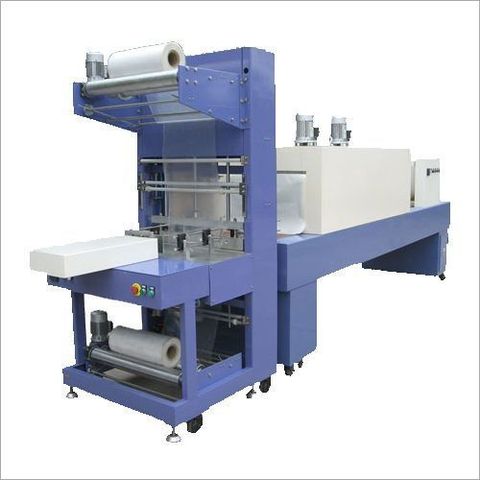
A sachet packing machine can handle different product forms, including powders, liquids, granules and selected pastes. Depending on its design, it may form sachets from a continuous packaging film roll, measure the product, fill each pouch, seal the edges and cut the finished packs.
An industrial sachet packing machine can integrate automatic weighing, liquid filling, temperature control, batch coding and product inspection. Single-lane machines produce one sachet at a time along a packaging lane, while multi-lane systems can produce several sachets simultaneously.
Understanding the machine's working principle, filling technology, packaging materials and quality checks helps manufacturers choose suitable equipment for their production requirements.
1. What Is a Sachet Packing Machine?
A sachet packing machine is equipment designed to measure, fill and seal small quantities of products inside flexible packaging material. The finished sachet may have three-side seals, four-side seals, a centre seal or another format depending on the machine configuration.
The packaging process generally involves:
Feeding packaging film from a roll.
Forming the sachet shape.
Measuring the required product quantity.
Filling the product into the pouch.
Sealing the packaging edges.
Printing batch and date information.
Cutting and collecting finished sachets.
Sachet packs are commonly used for products such as instant coffee, sugar, salt, spices, shampoo, sauces, liquid supplements and agricultural powders.
A machine's filling arrangement must match the product's physical properties. Powder, liquid and granule products do not flow or measure in the same way, so they require different dosing systems.
2. How Does a Sachet Packing Machine Work?
An automatic sachet packing machine performs several operations in a coordinated sequence. The exact arrangement depends on whether it is designed for vertical form-fill-seal packaging, horizontal packaging or a specialised sachet format.
Typical working process:
Film loading: A roll of approved packaging film is mounted on the machine.
Film feeding: Rollers guide the film through the packaging system.
Film registration: Sensors may detect printed marks to position the design correctly.
Pouch forming: Forming components shape the film into the required sachet configuration.
Product measurement: A dosing unit measures the target quantity.
Filling: The product is transferred into the open sachet.
Sealing: Heated sealing jaws or another approved sealing arrangement close the packaging.
Coding: Batch details, manufacturing information or other required markings are printed.
Cutting: The continuous packaging material is separated into individual sachets.
Collection and inspection: Finished packs are collected and checked for weight, seal quality and appearance.
The sequence may vary between machines. Some designs form and seal the bottom of a pouch before filling, while others use preformed sachets.
3. Main Components of a Sachet Packing Machine
The machine combines mechanical, electrical, pneumatic and control systems to perform packaging operations.
Component | Main function |
|---|---|
Film roll holder | Holds the packaging film |
Film feeding rollers | Move the film through the machine |
Forming collar or forming unit | Shapes the film into a sachet |
Dosing system | Measures the required quantity |
Product hopper | Stores product before filling |
Filling nozzle | Transfers liquid or paste into the sachet |
Sealing jaws | Join packaging layers using controlled heat and pressure |
Cutting mechanism | Separates individual sachets |
Coding unit | Prints batch and date information |
Sensors | Monitor film position and selected operating conditions |
PLC controller | Coordinates machine operations |
Control panel | Allows operators to monitor and adjust settings |
Conveyor or collection tray | Collects finished sachets |
Additional features may include automatic film splicing, registration sensors, checkweighers, reject mechanisms and seal inspection systems.
4. Types of Sachet Packing Machines
Machines are available in different configurations depending on the product, packaging format and required production capacity.
4.1 Single Lane Sachet Packing Machine
A single lane sachet packing machine produces sachets through one packaging lane. It is suitable for smaller or moderate production requirements and applications where packaging dimensions or product formats change regularly.
Common characteristics:
One filling and packaging lane.
Relatively straightforward operation.
Suitable for different sachet dimensions, depending on tooling.
Can be configured for powder, liquid or granule products.
4.2 Multi Lane Sachet Packing Machine
A multi lane sachet packing machine operates several packaging lanes simultaneously. Each lane forms, fills and seals individual sachets, increasing the number of packs produced during a production cycle.
It is commonly used in high-volume manufacturing environments.
Common characteristics:
Multiple sachets produced simultaneously.
Higher potential output than a comparable single-lane system.
Requires coordinated dosing and sealing controls.
Needs careful lane-by-lane inspection and maintenance.
4.3 Powder Sachet Packing Machine
A powder sachet packing machine is designed for products such as spices, coffee, sugar, flour, powdered beverages and selected pharmaceutical powders.
Common dosing arrangements include:
Auger fillers.
Volumetric cup fillers.
Gravimetric weighing systems.
An auger filler uses a rotating screw to move measured powder into the sachet. It is useful for powders that require controlled feeding, although settings must be adjusted for density and flow characteristics.
4.4 Liquid Sachet Packing Machine
A liquid sachet packing machine handles products such as sauces, beverages, shampoo, oils and liquid concentrates.
It commonly uses piston fillers, pumps or flow-meter-based systems. The filling arrangement must be suitable for the liquid's viscosity, temperature and chemical compatibility.
4.5 Granule Sachet Packing Machine
A granule sachet packing machine handles free-flowing or semi-free-flowing materials such as sugar crystals, salt, seeds, granulated food ingredients and selected agricultural materials.
Volumetric cups, weighing systems or other dosing arrangements may be used according to granule size and required filling accuracy.
4.6 Other Sachet Configurations
Configuration | Typical use |
|---|---|
Four-side seal machine | Individual sachets sealed on all four edges |
Three-side seal machine | Sachets with three sealed edges |
Centre-seal machine | Pillow-style sachets with a longitudinal back seal |
Stick pack machine | Narrow, elongated single-portion packs |
Horizontal sachet machine | Selected preformed or specialised pouch formats |
The correct configuration depends on the packaging design, product characteristics and filling method.
5. Packaging Materials and Technologies
Sachet machines use flexible packaging materials that can be formed and sealed around the product.
Common materials include:
Polyethylene (PE): Often used as a heat-sealable layer.
Polypropylene (PP): Used in flexible packaging structures with suitable sealing properties.
Polyester (PET): Provides strength and dimensional stability in multilayer films.
Metallised films: Used in selected structures to improve barrier performance.
Aluminium foil laminates: Used where stronger protection against light, moisture or oxygen is required.
Paper-based laminates: Used in selected packaging formats with compatible barrier and sealing layers.
Multilayer packaging may combine several materials to achieve the required print quality, strength, barrier performance and sealing behaviour.
Important sealing technologies
Heat sealing: Uses controlled temperature, pressure and contact time to join compatible packaging layers.
Continuous sealing: Uses moving belts or rollers to seal packaging material during continuous machine movement.
Impulse sealing: Applies heat in controlled pulses, depending on the equipment design and material.
Seal performance must be checked using appropriate inspection methods because poor sealing can lead to leakage, contamination or reduced product protection.
6. Applications of Sachet Packing Machines
Sachet packaging is used across several industries where compact, measured packs are required.
Industry | Common applications |
|---|---|
Food processing | Sugar, salt, spices, sauces and instant beverages |
Personal care | Shampoo, lotions and creams |
Pharmaceuticals | Selected powders and liquid preparations |
Agriculture | Seeds, fertiliser granules and agricultural powders |
Hospitality | Condiments, sweeteners and individual-use ingredients |
Household products | Detergent powders and cleaning liquids |
A machine's design must match the product's properties and the applicable packaging requirements for its intended use.
7. Factors to Consider When Selecting a Sachet Packing Machine
Selecting an industrial sachet packing machine requires consideration of the complete packaging process.
Product type: Identify whether the material is powder, liquid, granule or paste.
Filling range: Define the required quantity per sachet.
Production capacity: Estimate the number of sachets required per minute or hour.
Lane configuration: Choose single-lane or multi-lane operation based on output requirements.
Sachet dimensions: Confirm the required width, length and seal format.
Packaging film: Verify material compatibility, thickness and sealing properties.
Filling accuracy: Check the dosing system and its performance with the actual material.
Sealing system: Assess temperature, pressure and dwell-time controls.
Coding arrangement: Confirm that required batch and date information can be printed clearly.
Cleaning and changeover: Review access to product-contact parts and procedures for changing product formats.
Inspection features: Consider checkweighing, leak detection and automatic rejection.
Documentation: Review machine specifications, operating instructions and maintenance records.
A production trial using the intended product and packaging film can help verify filling accuracy, sealing quality, sachet dimensions and machine output.
8. Quality Control and Inspection
Quality control is important because sachets must contain the intended quantity and remain properly sealed during storage and transportation.
Common inspection activities include:
Fill-weight inspection: Checks whether the sachet contains the intended quantity.
Seal-integrity testing: Identifies weak, incomplete or damaged seals.
Leak testing: Helps detect leakage in liquid and other suitable packs.
Visual inspection: Checks for wrinkles, contamination, misalignment and damaged film.
Coding verification: Confirms that batch and date details are legible.
Film registration checks: Ensures printed designs and cutting positions are aligned.
Lane inspection: Checks filling and sealing consistency across multi-lane machines.
Manufacturers should establish inspection frequencies and acceptance limits according to product specifications and applicable regulations.
9. Recent Developments and Industry Trends
Sachet packaging technology is evolving through improvements in automation, dosing accuracy, monitoring and packaging materials.
Important developments include:
Multi-lane automation: Higher-lane-count systems can produce multiple sachets simultaneously.
Servo-driven filling: Electronic control of dosing and film movement supports more consistent operation.
Automatic weight monitoring: Checkweighers can identify sachets outside defined weight limits.
Vision inspection: Cameras can check printing, film alignment and selected packaging defects.
Digital production monitoring: Connected controllers can record output, alarms and machine operating information.
Improved barrier films: Multilayer materials are developed for specific moisture, oxygen and light protection requirements.
Material reduction: Packaging designers are assessing thinner structures and alternative materials while maintaining necessary protection and sealing performance.
These developments can improve process control, but manufacturers still need material testing, equipment maintenance and routine quality inspection.
10. Indian Regulations and Packaging Requirements
Sachet manufacturers in India must consider packaging rules according to the type of material being packed and whether the sachet is intended for food, pharmaceutical, cosmetic or another application.
Food Safety and Standards (Packaging) Regulations, 2018
The Food Safety and Standards Authority of India (FSSAI) regulates packaging materials used for food products.
Important requirements include:
Food-contact packaging must be of suitable food-grade quality.
Packaging materials must be compatible with the food and intended storage conditions.
Sealing materials must be compatible with the product and packaging structure.
Printed surfaces should not directly contact food.
Relevant food-contact packaging materials require conformity documentation from an NABL-accredited laboratory.
FSSAI's packaging regulations have undergone amendments, including an amendment dated 28 March 2025. Its official amendments page also lists a further amendment dated 7 August 2026. Manufacturers should consult the latest consolidated requirements before approving packaging materials.
Legal Metrology (Packaged Commodities) Rules, 2011
Retail sachets may need mandatory declarations under the Legal Metrology framework, subject to the applicable rules and exemptions.
Depending on the product and package, declarations can include:
Name and address of the manufacturer, packer or importer.
Common or generic name of the commodity.
Net quantity.
Manufacturing or packing date information.
Maximum Retail Price (MRP), inclusive of applicable taxes.
Consumer-care details.
Best-before or use-by information where applicable.
Food and cosmetic products may also be governed by their respective sector-specific labelling requirements. Certain small packages and institutional or industrial packages have specific exemptions or different provisions, so manufacturers should check the exact applicability.
Plastic Waste Management Rules
Sachet films that contain plastic may fall within India's Plastic Waste Management Rules, 2016, including applicable amendments and Extended Producer Responsibility (EPR) requirements.
Producers, importers and brand owners should assess their responsibilities according to the packaging category and their role in the supply chain. CPCB provides official information and reporting resources for plastic packaging compliance.
11. Best Practices for Operating Sachet Packing Machines
Following documented operating procedures helps maintain packaging quality and equipment reliability.
Inspect packaging film: Verify the material, thickness, roll condition and approved specifications.
Check the dosing system: Confirm that the filler is clean, correctly assembled and calibrated.
Set filling parameters: Adjust dosing according to product density, flow behaviour and target quantity.
Verify sealing settings: Check temperature, pressure and contact time.
Monitor film alignment: Ensure that printed marks and cutting positions remain correctly registered.
Inspect initial sachets: Check filling quantity, dimensions, seal quality and coding before routine production.
Monitor machine performance: Observe abnormal movement, leakage, film tearing and inconsistent filling.
Maintain hygiene: Follow appropriate cleaning procedures, especially for food and pharmaceutical applications.
Inspect multiple lanes: Check every lane rather than relying on samples from only one lane.
Maintain equipment: Follow preventive maintenance schedules for heaters, sensors, pumps, motors and sealing jaws.
Train operators: Provide training on controls, changeovers, cleaning and emergency procedures.
Keep production records: Document batch details, operating settings, inspection results and maintenance activities.
For food and pharmaceutical packaging, cleaning and changeover procedures should be designed to minimise contamination and product mix-ups.
12. Tools and Resources
The following resources can help manufacturers understand packaging requirements and machine operation.
Resource | Purpose |
|---|---|
Food Safety and Standards Authority of India (FSSAI) | Food packaging regulations and amendments |
Bureau of Indian Standards (BIS) | Applicable packaging and material standards |
Legal Metrology Department | Packaged commodity declaration requirements |
Central Pollution Control Board (CPCB) | Plastic packaging and EPR information |
Packaging material specifications | Film compatibility and sealing information |
Checkweigher | Verification of sachet filling quantity |
Seal-testing equipment | Assessment of packaging seal integrity |
PLC documentation | Machine operating and control instructions |
Preventive maintenance records | Monitoring equipment condition |
13. Frequently Asked Questions
1. What is a sachet packing machine used for?
It measures and packs small quantities of products into sealed flexible pouches. It is commonly used for powders, liquids, granules and selected pastes.
2. What is the difference between a single-lane and multi-lane sachet packing machine?
A single-lane machine produces sachets through one packaging lane. A multi-lane machine operates several lanes simultaneously, allowing higher production output when the dosing and sealing systems are properly configured.
3. Which machine is suitable for powder sachet packaging?
A powder sachet packing machine with a suitable auger filler, volumetric filler or weighing system is commonly used. The choice depends on powder flow characteristics, density and filling quantity.
4. How does a liquid sachet packing machine prevent leakage?
It uses suitable filling equipment, compatible packaging film and controlled sealing conditions. Regular seal inspection and leak testing help identify packaging defects.
5. What determines the production capacity of a sachet packing machine?
Capacity depends on lane count, sachet dimensions, filling quantity, product characteristics, machine speed, sealing time and the overall production arrangement.
Conclusion
Sachet packing machines play an important role in modern packaging operations across food processing, personal care, pharmaceuticals and agriculture. They combine film feeding, product dosing, pouch forming, filling, sealing and cutting to produce compact individual packs.
A single-lane machine may suit smaller production requirements, while a multi-lane system can support higher output. Powder, liquid and granule products require different filling arrangements to achieve consistent quantities and reliable packaging.
For effective operation, manufacturers should select compatible packaging materials, use suitable dosing technology, monitor seal quality and follow applicable Indian regulations. Regular maintenance, operator training and documented quality checks also contribute to consistent production.
Disclaimer: This article is intended for general educational and informational purposes only. Machine specifications, packaging materials, operating conditions and regulatory requirements may vary by product, equipment and location. Consult qualified technical professionals, equipment manufacturers and relevant authorities before making operational or compliance decisions. The information is not intended to provide guarantees or to sell or promote any product, brand or organisation.

Related Post...
Concrete Surface Grinding Machines: Explore Overview, Basics, Explanation, Knowledge, and Key Details
Updated: November 21, 2026
Read More
Telehandler Machines: Explore Types, Features, Applications, and Useful Resources
Updated: November 21, 2026
Read More
PPC Automation Tools: Complete Guide to Basics, Technologies, Strategies, Facts, and Best Practices
Updated: November 23, 2026
Read More