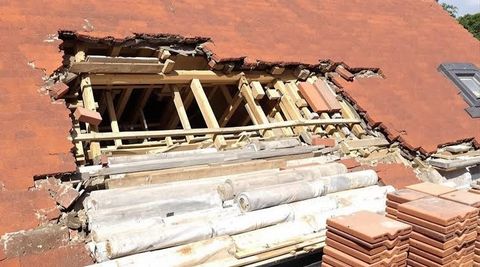
Roof Replacement Costs and Budget Planning Tips
Planning a new roof requires careful financial preparation.
Roof Replacement Costs
Understanding roof replacement cost helps homeowners compare materials, evaluate contractor estimates, and prepare a realistic project budget. The total expense depends on several factors, including roof size, material selection, labor charges, roof design, and existing structural conditions.
Homeowners researching roof replacement estimates should consider the complete project rather than focusing only on the price of roofing materials. Additional expenses, such as removing old shingles, repairing damaged surfaces, obtaining permits, and disposing of construction waste, can affect the final amount.
What Does Roof Replacement Involve?
Roof replacement involves removing an existing roofing system and installing new materials. Depending on the property's condition, the work may also include replacing underlayment, flashing, damaged decking, and other supporting components.
The process usually begins with an inspection and project estimate. Contractors assess the roof's condition, measure its dimensions, identify potential problems, and explain the materials and labor required.
Why Budget Planning Matters
A roofing project can involve several expenses beyond the initial installation price. Without proper planning, homeowners may overlook important costs or underestimate the amount required to complete the work.
A detailed budget helps homeowners compare roof replacement quotes, understand payment requirements, and prepare for unexpected repairs. It also makes it easier to evaluate different roofing materials without making decisions based entirely on upfront pricing.
Factors That Affect Roof Replacement Pricing
Roof replacement pricing varies between properties because every roofing project has different requirements. Understanding the main cost factors helps homeowners evaluate estimates more effectively.
Roof Size and Design
Roof size is one of the most important factors influencing replacement costs. Larger roofs generally require more materials, additional labor, and longer installation times.
Roof design also matters. Steep slopes, multiple roof sections, skylights, chimneys, and complicated architectural features may increase installation difficulty and labor requirements.
Roofing Material Selection
Different roofing materials have different purchase prices, installation requirements, and maintenance needs. Common options include asphalt shingles, metal roofing, clay tiles, and concrete tiles.
The most affordable material initially may not always provide the best overall value. Homeowners should compare expected maintenance, durability, local climate suitability, and installation expenses before making a decision.
Labor and Installation Charges
Labor costs depend on project complexity, local wage conditions, contractor experience, and the amount of preparation required. Removing existing roofing materials can also increase the total installation expense.
Homeowners should confirm whether contractor estimates include removal, installation, cleanup, and disposal. This helps prevent misunderstandings about what the quoted price covers.
Existing Roof Damage
Damaged roof decking, moisture-related deterioration, and structural problems may require additional work before new materials can be installed. These conditions are not always fully visible during an initial exterior inspection.
A professional assessment can help identify potential repairs and provide a clearer understanding of the likely project budget.
Comparing Roofing Materials and Estimated Expenses
Material selection has a direct influence on the overall roof installation cost. The following table summarizes common roofing options and their general characteristics.
| Roofing material | General characteristics | Budget consideration |
|---|---|---|
| Asphalt shingles | Common and available in different styles | Generally lower initial material cost |
| Metal roofing | Available in several profiles and finishes | Higher upfront cost for many systems |
| Clay tiles | Traditional appearance and substantial weight | Structural and installation costs may increase |
| Concrete tiles | Durable material with different design options | Weight and labor affect total expenses |
| Slate roofing | Natural stone with a distinctive appearance | Material and installation costs are generally high |
These are general comparisons rather than fixed prices. Actual expenses vary according to location, product specifications, roof dimensions, and installation requirements.
Understanding Contractor Estimates
A detailed roof replacement estimate should explain the work included in the project. Homeowners can compare estimates using the following checklist:
Material costs, including underlayment and flashing.
Labor charges and installation requirements.
Removal and disposal of existing roofing.
Necessary repairs to decking or supporting structures.
Permit fees and inspection expenses, where applicable.
Cleanup arrangements and project completion terms.
Comparing these details provides a more accurate picture of overall value than comparing the final totals alone.
Practical Roof Replacement Budget Planning Tips
Creating a realistic budget requires identifying both expected and additional expenses. A structured approach can help homeowners manage the financial side of a roofing project.
Establish a Realistic Project Budget
Start by obtaining roof measurements and understanding the property's current condition. Request detailed estimates from multiple qualified contractors so that material, labor, and additional charges can be compared.
Keep a contingency allowance for unexpected repairs. The appropriate amount depends on the roof's age, visible damage, inspection findings, and project complexity.
Compare Multiple Roofing Quotes
Obtaining several roof replacement quotes can help homeowners understand local pricing differences. Each estimate should describe similar materials and project requirements to make comparisons meaningful.
A lower quote may exclude important work or use different material specifications. Review warranties, installation details, contractor qualifications, and payment schedules before making a decision.
Explore Financing Options
Roof replacement financing may be available through personal loans, home improvement loans, or other financial arrangements, depending on eligibility and local lending conditions.
Before choosing an option, review interest rates, repayment periods, additional charges, and total borrowing costs. Financing should be evaluated according to the household's financial circumstances rather than monthly payment amounts alone.
Plan the Project Timing
Weather conditions can influence roofing schedules and installation requirements. Planning ahead may provide more flexibility when arranging inspections, purchasing materials, and coordinating contractors.
Homeowners should also consider temporary accommodation or other practical arrangements if extensive work affects access to the property.
Choosing a Roof Replacement Contractor
Selecting a contractor is an important part of managing project costs and installation quality. Homeowners should verify relevant licensing requirements, insurance coverage, references, and experience with the selected roofing material.
Written agreements should clearly explain the project scope, payment schedule, materials, expected timeline, cleanup responsibilities, and warranty conditions. Avoid making decisions based only on verbal estimates or unusually low prices.
Frequently Asked Questions
What Is the Average Roof Replacement Cost?
The average roof replacement cost varies depending on roof dimensions, materials, labor, location, and existing damage. A property-specific inspection provides a more useful estimate than a general price range.
How Can I Get an Accurate Roof Replacement Estimate?
Request a detailed inspection and written estimate from qualified roofing contractors. Make sure the estimate includes materials, labor, removal, disposal, permits, and possible additional repairs.
Which Roofing Material Is More Affordable?
Asphalt shingles generally have a lower initial material cost than options such as slate, clay tiles, and many metal roofing systems. However, installation and long-term maintenance expenses should also be considered.
How Much Should I Save for Unexpected Roofing Expenses?
The additional amount depends on the roof's condition and the likelihood of hidden damage. Discuss possible repairs with contractors and include a reasonable contingency allowance in the overall budget.
Is Roof Replacement Financing Worth Considering?
Financing may help spread project expenses over time. However, homeowners should compare borrowing costs, repayment terms, and their ability to manage payments before selecting a financing arrangement.
Conclusion
Roof replacement requires careful consideration of materials, labor, installation requirements, and additional expenses. Understanding these factors helps homeowners prepare a realistic budget and compare contractor estimates more effectively.
By reviewing project details, exploring suitable financing options, and planning for unexpected repairs, homeowners can make more informed decisions about their roofing projects.

Related Post...
Replacement Windows Overview: Types, Materials, and Installation Details
Updated: September 11, 2026
Read More
Solar Panels Overview: Key Components, Applications, and Performance Factors
Updated: September 02, 2026
Read More