Robotic Arm Assembly Systems Explained: Detailed Guide, Insights, Facts, and Practical Information
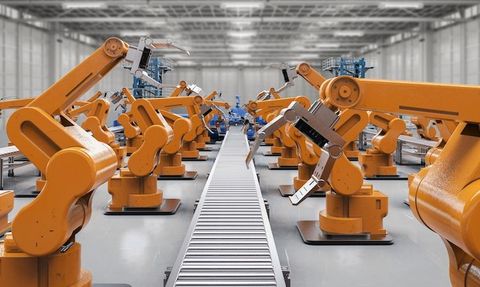
Robotic arm assembly systems are automated setups where programmable mechanical arms perform assembly-related tasks such as positioning parts, fastening components, applying adhesives, or conducting precision alignment. These systems combine hardware like robotic manipulators, sensors, controllers, and end effectors with software that governs motion, accuracy, and coordination.
The idea behind robotic arm assembly systems emerged from the need to improve consistency and precision in manufacturing environments. Traditional manual assembly often struggled with variability, fatigue, and scalability. As production volumes increased and products became more complex, automated assembly using robotic arms provided a structured way to handle repetitive and high-precision operations.
Today, robotic arm assembly systems are commonly used in automotive manufacturing, electronics assembly, medical device production, and industrial equipment fabrication. Their design focuses on repeatability, controlled movement, and integration with digital production systems, making them a foundational element of modern industrial automation.
Importance: Why Robotic Arm Assembly Systems Matter Today
Robotic arm assembly systems play a critical role in how modern industries operate. Their importance extends beyond productivity and touches safety, quality, and technological advancement.
Key reasons these systems matter include:
- Improved assembly accuracy and repeatability
- Reduced exposure of human workers to hazardous or high-risk tasks
- Support for complex, small-scale, or high-precision components
- Better integration with data-driven manufacturing processes
These systems affect a wide range of stakeholders. Manufacturers rely on them to maintain consistent output. Engineers and technicians interact with them for programming, monitoring, and optimization. End users benefit indirectly through higher product reliability and standardized quality.
Robotic arm assembly systems also address common industrial challenges such as error reduction, material handling precision, and synchronization between multiple production stages. In sectors where tolerances are measured in microns, robotic arms enable outcomes that are difficult to achieve through manual processes alone.
Recent Updates: Trends and Developments Over the Past Year
Over the past year, robotic arm assembly systems have continued to evolve alongside broader automation trends. Several notable developments have shaped how these systems are designed and deployed.
Key developments include:
- Early 2025: Increased adoption of collaborative robotic arms designed to operate safely near human workers, using force sensing and adaptive speed control
- Expanded use of artificial intelligence for dynamic assembly programming based on visual feedback and component variation
- Wider adoption of digital twin technology for simulation, performance testing, and predictive maintenance
- Greater focus on sustainability through energy-efficient actuators and optimized motion planning
These updates reflect a shift toward more intelligent, flexible, and efficient assembly systems in modern manufacturing environments.
Laws and Policies: How Regulations Influence Robotic Arm Assembly Systems
Robotic arm assembly systems are influenced by industrial safety standards, automation guidelines, and labor-related policies across different countries. These rules aim to ensure safe operation, system reliability, and responsible deployment.
Common regulatory influences include:
- Industrial safety standards from organizations such as ISO and IEC
- Requirements for emergency stop systems and protective enclosures
- Risk assessment and safety validation before system deployment
- Training requirements for operators and maintenance personnel
National initiatives supporting smart manufacturing also influence system adoption by encouraging digitalization, interoperability, and compliance with safety norms.
These policies do not dictate system design directly but establish boundaries that ensure robotic automation aligns with workplace safety and operational transparency.
Tools and Resources: Helpful Technologies and References
A range of tools and resources support the design, operation, and understanding of robotic arm assembly systems.
Commonly used tools include:
- Robotics programming platforms for motion control and task sequencing
- Simulation and digital twin software for system testing and optimization
- Vision systems for object detection and alignment
- Industrial control systems for integration with production lines
- Safety assessment tools for risk evaluation and compliance
Supporting resources:
- Industry standards documentation for robotic safety and automation
- Technical manuals and training modules for system operation
- Engineering reference materials on motion control and kinematics
These tools help ensure reliable performance, accurate assembly, and safe system operation.
FAQs: Common Questions About Robotic Arm Assembly Systems
What industries commonly use robotic arm assembly systems?
They are widely used in automotive manufacturing, electronics, aerospace, medical device production, and heavy machinery assembly.
How accurate are robotic arm assembly systems?
Modern systems can achieve very high repeatability, often within fractions of a millimeter, depending on design and calibration.
Do robotic arm assembly systems replace human workers entirely?
They typically complement human roles by handling repetitive or precision-intensive tasks while humans focus on supervision and problem-solving.
Can robotic arm assembly systems adapt to different products?
Yes. With appropriate programming and tooling, many systems can be reconfigured to handle multiple product variants.
What skills are needed to work with these systems?
Common skills include robotics programming, understanding of automation systems, and familiarity with industrial safety practices.
Conclusion
Robotic arm assembly systems represent a core element of modern industrial automation. By combining mechanical precision, programmable control, and digital integration, these systems address longstanding challenges in manufacturing consistency and efficiency.
Their relevance continues to grow as industries adopt smarter, more connected production models. Ongoing developments in artificial intelligence, simulation, and safety-focused design are shaping how robotic arm assembly systems function and interact with human operators.
Understanding how these systems work, why they matter, and how they are regulated provides valuable insight into the future of manufacturing and automation-driven production environments.

Related Post...

Contractor Tracking Explained: An Overview, Basics, and Key Information to Learn
Updated: September 24, 2026
Read More
Robotic Arm Assembly Systems Explained: Detailed Guide, Insights, Facts, and Practical Information
Updated: September 24, 2026
Read More