Road Trips Across Countryside: Scenic Rural Drives and Travel Insights
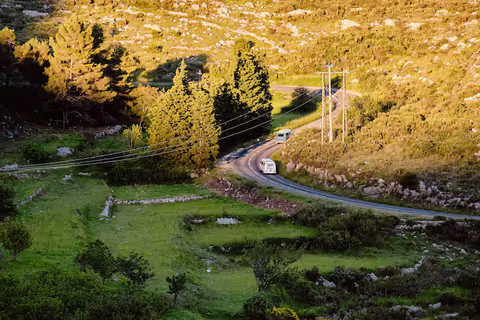
Road trips across countryside landscapes involve driving through rural areas, farmland, villages, forests, and open roads far from major cities. These journeys focus on slower travel, natural scenery, local culture, and quiet stops rather than busy urban attractions. People have taken such drives for generations as a way to experience everyday rural life, seasonal changes in the land, and the simple rhythm of smaller communities. The practice exists because many regions still preserve traditional farming patterns, historic byways, and open spaces that invite exploration by vehicle.
Countryside road trips matter today because they provide an alternative to crowded city destinations and high-volume tourist sites. Urban residents, families, remote workers, and older travelers often seek these routes to reduce daily stress, spend time outdoors, and reconnect with natural settings. Rural communities benefit when visitors support local farms, markets, and small accommodations, which helps maintain economic activity in areas that may face population decline or limited industry. These trips also address the desire for authentic experiences by allowing travelers to observe how people live and work with the land. In recent years, the shift toward slower, more intentional travel has made rural drives a practical choice for those looking to balance movement with rest.
Growing Interest in Rural Routes
Data from multiple regions shows steady growth in rural and countryside travel. In Europe, rural areas increased their share of tourism activity, with studies noting a rise from earlier baseline figures to higher participation by 2024 and continued momentum into 2026. France recorded additional overnight stays in rural destinations during summer 2026, even as some urban areas saw declines. Spain reported faster growth in rural accommodation nights compared with broader non-hotel stays in mid-2026. China’s self-drive travel reached more than 50 billion person-trips in 2025, with county-level and rural routes forming a large portion of that activity. In India, interest in farm-based and countryside experiences has risen as travelers look for wellness-focused and nature-centered options. Adventure and outdoor segments continue expanding, with projections for significant global growth in related travel by the early 2030s. Trends for 2026 emphasize shorter thematic drives, shoulder-season timing, family connections through outdoor activity, and stays in lodges or simple rural properties that blend rest with discovery.
Regulations Shaping Rural Driving
Road trips across countryside areas operate under standard traffic and vehicle rules that vary by country. Speed limits on rural roads are typically lower than motorway limits to account for curves, livestock, and limited visibility. In many European countries, rural limits range from 80 to 100 km/h, while urban zones stay lower. Alcohol limits for drivers are set at 0.5 g/L or stricter in most places, with zero tolerance in several nations. Drivers often need to carry mandatory equipment such as warning triangles and high-visibility vests. International travelers may require an International Driving Permit along with their domestic license. Some regions promote rural tourism through government programs that support village infrastructure, designated scenic routes, or incentives for local hosts. These measures aim to spread visitor activity beyond cities while protecting agricultural land and road safety. Always verify current requirements for the specific country or state before departure, as rules can change with local conditions or seasonal weather.
Planning Aids and Practical Resources
Several digital tools help organize countryside road trips. Mapping applications provide turn-by-turn directions, offline map downloads, and traffic updates useful on remote roads. Specialized planners allow users to mark scenic stops, estimate daily driving distances, and arrange multi-day itineraries with overnight points. Apps focused on outdoor routes display topographic details, forest roads, and trailheads that connect to driving segments. Campsite and lodging finders list rural options based on location and facilities. Weather and road condition trackers assist with timing around rain, snow, or harvest seasons. Many travelers combine a primary navigation tool with a secondary planner to balance route efficiency and points of interest. Offline capability remains important because mobile coverage can thin out in open countryside.
Common Questions About Countryside Road Trips
What makes a countryside road trip different from other drives?
These journeys emphasize scenic rural roads, slower pacing, and stops at farms, villages, or natural features rather than long high-speed highway travel focused on reaching a single destination quickly.
When is the best time for rural drives?
Shoulder seasons in spring and autumn often provide milder weather, fewer crowds, and active farming landscapes. Summer suits longer daylight hours in many regions, while winter offers quieter roads in areas without heavy snow.
Do travelers need special vehicle preparation?
A well-maintained vehicle with adequate fuel range, spare tire, and basic emergency supplies works for most paved rural roads. Checking tire condition and fluid levels before departure reduces risks on less-trafficked routes.
How can groups plan stops along the way?
Selecting a theme such as historic bridges, local produce markets, or short walking trails helps structure the day. Shared digital itineraries keep everyone informed about daily distances and planned pauses.
Are there safety considerations unique to rural areas?
Watch for livestock crossings, narrow lanes, and limited lighting at night. Carry offline maps, inform someone of the planned route, and monitor weather forecasts, especially in mountainous or remote countryside.
Countryside road trips continue to draw interest because they combine movement with observation of landscapes and communities that remain less altered by large-scale development. Recent patterns show travelers choosing these routes for shorter, more focused experiences and for the chance to support rural economies while finding quieter spaces. Awareness of local driving rules, thoughtful use of planning tools, and attention to seasonal conditions help make such journeys practical and rewarding. As interest in authentic outdoor travel grows, rural drives remain a straightforward way to experience the variety of open countryside that still exists across many regions.

Related Post...
Road Trips Across Countryside: Scenic Rural Drives and Travel Insights
Updated: November 24, 2026
Read More