Resort Cottage Rentals Guide: Essential Details for Planning Your Stay
Resort cottage rentals are a type of holiday accommodation that combines the privacy of an individual cottage with the facilities and surroundings of a resort. These properties are commonly located near beaches, lakes, mountains, forests, countryside destinations, and recreational areas. They provide an alternative to traditional hotel rooms by giving travellers access to more personal living spaces.
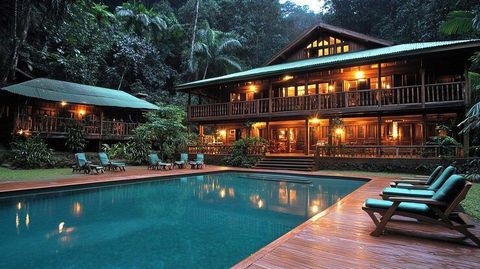
A resort cottage may include separate bedrooms, a private bathroom, a living area, a kitchen, outdoor seating, and a garden or balcony. Some properties are independent buildings, while others form part of a larger holiday complex with shared facilities such as swimming pools, restaurants, walking trails, fitness areas, and recreational spaces.
The accommodation category includes several property styles:
Beach cottages: Located near coastal areas, these properties provide convenient surroundings for seaside holidays.
Mountain cottages: Generally situated in elevated regions, they are associated with cooler climates, hiking, and scenic landscapes.
Lakefront cottages: Positioned near lakes or reservoirs, these properties are often suitable for fishing, boating, and nature activities.
Forest cottages: Surrounded by woodland, they provide opportunities for wildlife observation and outdoor recreation.
Luxury resort cottages: These may include larger interiors, private outdoor spaces, premium furnishings, and additional recreational facilities.
Family cottages: Designed with multiple sleeping areas and shared living spaces for families and larger travel groups.
Understanding these differences helps travellers identify accommodation that matches their destination, group size, preferred surroundings, and travel plans.
Why Resort Cottage Rentals Matter Today
Travel preferences have expanded beyond conventional hotel accommodation. Many travellers now consider privacy, flexibility, local surroundings, and shared experiences when planning holidays. Resort cottage rentals address several of these preferences by combining residential-style accommodation with access to recreational facilities.
One important advantage is additional living space. Families travelling with children may appreciate separate bedrooms, dining areas, and outdoor spaces. Groups of friends can share common areas while maintaining individual sleeping arrangements.
Another important consideration is the flexibility associated with longer stays. A cottage with kitchen facilities, laundry equipment, and separate living areas can support travellers who intend to remain at one destination for several days or weeks.
These properties also contribute to regional tourism. Cottage accommodation located outside major cities can encourage visitors to explore smaller destinations, local attractions, cultural sites, and natural landscapes.
Different traveller groups have different requirements:
Families may prioritise multiple bedrooms, kitchen facilities, and child-friendly surroundings.
Couples may prefer secluded cottages, scenic views, and quieter environments.
Outdoor enthusiasts may look for properties near hiking routes, lakes, beaches, or national parks.
Remote professionals may require dependable internet connectivity, workspace, and comfortable long-stay facilities.
Older travellers may consider accessibility, convenient transportation, and nearby medical facilities.
The importance of accommodation quality also extends to property management. Cleanliness, accurate property descriptions, transparent reservation conditions, and reliable maintenance influence the overall guest experience.
Recent Updates and Emerging Trends in Resort Cottage Rentals
The holiday accommodation industry continued evolving throughout 2025 and 2026. Digital booking technology, changing travel expectations, environmental awareness, and regulatory developments are influencing how travellers discover and evaluate cottage properties.
Growth of alternative accommodation
In 2026, Booking.com and VIDEC Consultants highlighted the expansion of alternative accommodation in India. Their research projected that India's alternative accommodation gross booking value could reach ₹415 billion by FY2029. The findings also identified growing interest in family accommodation, authentic local experiences, and properties with additional living space.
Although this research focuses on India, the broader development reflects increasing interest in accommodation beyond conventional hotels.
Greater attention to property quality
In July 2026, Vrbo published its Built to Stay research on traveller confidence in vacation rentals. The study reported that 86% of surveyed travellers would pay more for higher-quality listings, while 81% identified strong trust signals, including recent and detailed reviews, as important considerations.
This highlights the importance of property photographs, accurate descriptions, verified information, and consistent accommodation standards.
Technology-assisted travel planning
Artificial intelligence and digital travel platforms are becoming increasingly relevant to holiday planning. Travellers can use technology to compare accommodation features, examine destination information, organise itineraries, and evaluate travel preferences.
Property management systems also help accommodation operators coordinate reservations, housekeeping schedules, maintenance requests, and guest communications.
Sustainable cottage accommodation
Environmental awareness is influencing accommodation decisions. Some resort properties are introducing energy-efficient lighting, water conservation systems, renewable energy, waste separation, and environmentally responsible landscaping.
Cottages located near natural attractions may also introduce visitor guidelines to reduce noise, protect wildlife, and minimise environmental disturbance.
Changing holiday patterns
Travellers are increasingly considering shorter breaks, off-season travel, nature-focused holidays, and accommodation with flexible living arrangements. These developments create opportunities for cottage properties in coastal, rural, mountain, and countryside destinations.
Laws and Policies Affecting Resort Cottage Rentals
Resort cottage rentals are influenced by national tourism legislation, local planning regulations, accommodation registration requirements, building standards, taxation rules, and consumer protection policies.
The applicable requirements differ significantly between countries and even between individual cities or regions. A property operating as a licensed resort may also follow different rules from an independently managed holiday cottage.
European Union regulations
The European Union's Short-Term Rental Regulation, Regulation (EU) 2024/1028, became applicable on 20 May 2026. It establishes a framework for collecting and sharing short-term accommodation rental information between online platforms and public authorities.
The regulation supports greater transparency and standardised information exchange. However, it does not automatically require every property in every EU country to register. National and local authorities determine where registration procedures apply.
United States regulations
In the United States, vacation cottage operations may be affected by state and municipal short-term rental legislation. Some destinations require registration, operating permits, occupancy compliance, and local taxation.
Property owners may also need to follow fire safety requirements, building regulations, zoning restrictions, and accessibility standards, depending on the property's classification and location.
India's accommodation framework
In India, accommodation establishments may be subject to state tourism policies, local municipal requirements, fire safety regulations, building approvals, and applicable taxation rules.
Requirements can differ between states and property categories. Cottage operators should examine the relevant state tourism department guidelines and local authority requirements before beginning operations.
Important regulatory considerations include:
Property registration and applicable tourism permissions.
Fire prevention, emergency exits, and building safety.
Local zoning and land-use restrictions.
Guest identification and record-keeping requirements.
Applicable accommodation taxes and reporting obligations.
Accessibility and consumer protection standards.
Environmental restrictions in coastal, forest, and protected areas.
Travellers should also review cancellation conditions, occupancy limits, property rules, and the responsibilities associated with their reservation.
Tools and Resources for Planning Resort Cottage Rentals
Digital tools can simplify the process of researching destinations, comparing accommodation features, and organising holiday arrangements. The most useful resources depend on the destination, travel duration, and accommodation requirements.
Accommodation research platforms
Airbnb: Provides information about different holiday homes, cottages, cabins, and residential-style accommodation.
Vrbo: Focuses on vacation homes and properties suitable for families and groups.
Booking.com: Includes hotels, cottages, apartments, resorts, and alternative accommodation.
Google Maps: Helps travellers examine property surroundings, nearby attractions, transportation routes, and geographical locations.
Travel planning tools
Google Travel: Helps organise destination research and travel information.
Rome2Rio: Provides transportation comparisons between destinations.
Google Maps distance calculator: Helps estimate distances between accommodation and nearby attractions.
Weather forecasting applications: Provide information about seasonal conditions and expected weather patterns.
Property comparison checklist
Travellers can use a simple comparison table to evaluate different cottage accommodation options.
| Evaluation factor | Important details |
|---|---|
| Location | Beach, mountain, lake, or countryside |
| Accommodation | Bedrooms, bathrooms, and living space |
| Facilities | Kitchen, Wi-Fi, parking, and laundry |
| Safety | Fire equipment and emergency arrangements |
| Accessibility | Steps, ramps, and accessible facilities |
| Environment | Waste management and energy efficiency |
| Reservation terms | Cancellation and occupancy conditions |
| Guest feedback | Recent reviews and property ratings |
Financial and travel planning resources
Travel budget calculators can help estimate accommodation expenses, transportation, meals, activities, and additional travel requirements. Currency conversion tools are useful for international holidays, particularly when accommodation charges are displayed in another currency.
A travel itinerary template can also help organise arrival information, check-in times, local transportation, sightseeing activities, and departure arrangements.
Using several reliable information sources rather than relying on a single property description can help travellers make more informed decisions.
Frequently Asked Questions
1. What is the difference between resort cottage rentals and hotel accommodation?
Resort cottages generally provide individual living spaces with separate bedrooms and residential-style facilities. Hotels usually provide individual guest rooms within a larger building. Resort cottages may also provide access to shared recreational facilities, depending on the property.
2. What facilities are commonly available in resort cottages?
Common facilities include bedrooms, bathrooms, living areas, kitchen equipment, outdoor seating, Wi-Fi, and parking. Some properties also have swimming pools, gardens, recreational areas, and dining facilities. Available features vary by location and accommodation category.
3. Are resort cottages suitable for families and large groups?
Many resort cottages are designed to accommodate families and groups through multiple bedrooms, larger living areas, and shared dining spaces. Travellers should confirm the maximum occupancy, sleeping arrangements, child safety features, and property restrictions before making a reservation.
4. What should travellers examine before reserving a resort cottage?
Important considerations include the property's location, verified photographs, recent guest reviews, available facilities, accessibility, safety arrangements, occupancy limits, cancellation conditions, and additional charges. Travellers should also examine the distance to hospitals, transportation, and nearby attractions.
5. Are resort cottage rentals regulated by government authorities?
Yes. Depending on the destination, cottage accommodation may be subject to tourism registration, planning permissions, fire safety requirements, building regulations, taxation, and local short-term accommodation rules. The specific requirements depend on national and local legislation.
Conclusion
Resort cottage rentals represent an important part of the evolving holiday accommodation industry. They combine individual living spaces with access to recreational environments, making them relevant to families, couples, outdoor enthusiasts, and travellers planning extended holidays.
Developments in digital travel planning, accommodation quality, sustainability, and short-term rental regulation are influencing the industry's direction in 2025 and 2026. Understanding property categories, available facilities, destination conditions, and applicable regulations helps travellers evaluate accommodation more effectively.
As travel preferences continue to change, resort cottages are likely to remain a recognised accommodation choice within the wider hospitality and alternative lodging landscape. Careful research and realistic expectations can contribute to a comfortable, organised, and informed holiday experience.

Related Post...


Truck Rentals Tips for Understanding Vehicle Types, Capacity, and Rental Terms
Updated: October 29, 2026
Read More
Sports Car Rentals: Key Insights into Models, Features, and Driving Options
Updated: November 02, 2026
Read More