Rehabilitation Equipment Guide: Therapy Technology, Mobility Tools, and Recovery Planning
Rehabilitation equipment includes tools and technologies used to support physical therapy, occupational therapy, mobility training, strength development, balance exercises, and functional recovery.
Equipment can range from basic mobility aids to advanced technology used in rehabilitation centers, hospitals, outpatient clinics, and home-based recovery programs.
Common categories include:
Mobility aids
Therapeutic exercise equipment
Balance and coordination equipment
Transfer and positioning equipment
Orthotic and assistive devices
Electrical stimulation technology
Robotic rehabilitation systems
Gait-training equipment
Adaptive equipment
The appropriate equipment depends on the individual's functional abilities, rehabilitation goals, environment, and guidance from qualified healthcare professionals.
Why Rehabilitation Equipment Matters
Rehabilitation equipment can help create structured environments for practicing movement and daily activities.
Depending on the rehabilitation program, equipment may support:
Muscle strengthening
Range-of-motion exercises
Balance development
Walking and gait training
Coordination exercises
Functional movement
Transfers and positioning
Independence with daily activities
Equipment should be selected based on the person's needs rather than simply choosing the most technologically advanced option.
Major Types of Rehabilitation Equipment
Mobility Equipment
Mobility tools can support people who have difficulty walking or maintaining balance. Examples include walkers, canes, crutches, wheelchairs, and mobility supports.
Proper sizing and adjustment are important because incorrect equipment settings may affect posture, stability, and movement.
Therapeutic Exercise Equipment
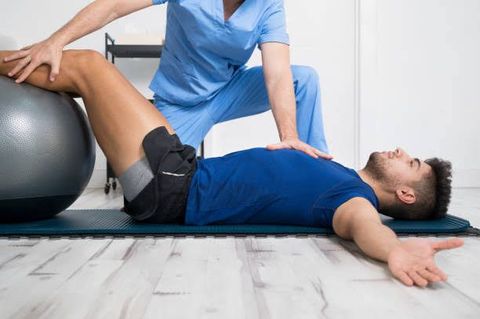
Rehabilitation programs may use resistance bands, exercise pedals, therapy balls, parallel bars, stationary cycles, and specialized strength equipment.
These tools can allow therapists to adjust exercise intensity according to an individual's functional capacity.
Balance and Coordination Equipment
Balance boards, stability platforms, foam surfaces, and other training tools can be incorporated into rehabilitation programs involving balance and coordination.
Activities should generally be performed in an appropriate environment with supervision when there is a meaningful fall risk.
Gait-Training Systems
Parallel bars, treadmills with support systems, body-weight support equipment, and gait-analysis technologies may be used to evaluate and practice walking patterns.
These systems can be particularly relevant in neurological and orthopedic rehabilitation.
Electrical Stimulation Equipment
Some rehabilitation programs use electrical stimulation technologies to activate muscles or support specific therapeutic objectives. Their use depends on the person's medical circumstances and professional assessment.
Advanced Rehabilitation Technology
Technology is expanding the range of tools available for rehabilitation.
Robotic Rehabilitation
Robotic systems can assist repetitive movement exercises and provide controlled movement patterns. Some systems are designed for gait training, while others focus on upper-limb rehabilitation.
Virtual Reality
Virtual-reality platforms can create interactive environments for movement and coordination exercises. Some rehabilitation programs use gamified activities to encourage repeated practice.
Motion Tracking
Sensors and cameras can track movement during rehabilitation exercises. This information may help clinicians evaluate movement patterns and monitor progress.
Wearable Technology
Wearable sensors can capture information about activity, movement, gait, or other physical parameters. Depending on the system, information may be reviewed by clinicians or integrated into broader rehabilitation programs.
Choosing Equipment
Equipment selection should begin with the rehabilitation objective.
Important considerations include:
| Factor | Key Question |
|---|---|
| Functional need | What movement or activity needs support? |
| Safety | What risks exist during use? |
| Adjustability | Can the equipment accommodate the user? |
| Environment | Will it be used in a clinic or home? |
| Training | Does professional instruction need to be provided? |
| Maintenance | How will equipment remain functional? |
| Accessibility | Can the person operate it independently? |
| Technology | Is advanced technology actually appropriate? |
For mobility equipment, measurements such as height, weight, seating dimensions, and walking ability may influence selection.
Safety and Maintenance
Rehabilitation equipment should be inspected regularly, particularly when it supports body weight or assists transfers.
Basic precautions include:
Follow manufacturer instructions.
Check adjustable components before use.
Inspect wheels, brakes, straps, and fasteners.
Keep exercise areas clear of obstacles.
Replace damaged components according to manufacturer guidance.
Maintain appropriate cleaning procedures.
Use equipment only for its intended purpose.
Seek professional guidance when equipment requires specialized adjustment.
Mobility aids should be correctly fitted and periodically reassessed as physical abilities change.
Recovery Planning
Equipment is only one component of rehabilitation planning. A broader program may include assessment, therapeutic exercises, education, home activities, progress monitoring, and changes to daily routines.
A recovery plan may consider:
Short-term functional goals
Long-term mobility objectives
Home accessibility
Exercise frequency
Fall-prevention strategies
Caregiver participation
Assistive technology
Progress measurements
The plan should be individualized because rehabilitation needs can vary substantially between people with similar diagnoses or injuries.
Recent Technology Developments
Rehabilitation technology increasingly combines sensors, software, robotics, and remote monitoring.
Artificial intelligence and motion-analysis systems are being explored for movement assessment, exercise personalization, and progress tracking. Remote rehabilitation platforms can also allow selected exercises and measurements to be monitored outside traditional clinical settings.
However, technology does not automatically replace professional assessment. The usefulness of an advanced system depends on clinical goals, accessibility, safety, evidence, and the individual's circumstances.
Tools and Resources
Useful rehabilitation-planning resources include:
Physical therapy assessment tools: Used by qualified professionals to evaluate movement and function.
Mobility assessment resources: Help determine appropriate assistive-device requirements.
Home-safety checklists: Identify obstacles and accessibility concerns.
Exercise tracking tools: Can help document prescribed activities and progress.
Manufacturer manuals: Provide equipment-specific instructions and maintenance information.
Clinical rehabilitation resources: Provide evidence-based information for healthcare professionals and patients.
FAQs
What is rehabilitation equipment?
Rehabilitation equipment includes devices and technologies used to support mobility, exercise, balance, strength, coordination, and functional recovery.
What equipment is commonly used in physical rehabilitation?
Common examples include walkers, canes, parallel bars, therapy bands, exercise cycles, balance equipment, gait-training systems, and specialized therapeutic devices.
Can rehabilitation equipment be used at home?
Some equipment is appropriate for home environments, while other systems require professional supervision or specialized facilities. Equipment should be selected according to the individual's needs and safety requirements.
Is advanced rehabilitation technology necessary for recovery?
Not necessarily. Technology can support certain rehabilitation goals, but effective rehabilitation may also rely on conventional exercises, mobility tools, education, and structured activity.
How should rehabilitation equipment be maintained?
Maintenance depends on the equipment. Users should follow manufacturer instructions, inspect components regularly, maintain cleanliness, and arrange professional inspection when appropriate.
Conclusion
Rehabilitation equipment ranges from simple mobility aids to sophisticated robotic, sensor-based, and virtual-reality systems. The most appropriate option depends on functional goals, safety requirements, environment, accessibility, and professional assessment.
Effective recovery planning generally combines equipment with structured rehabilitation activities and ongoing progress evaluation. As rehabilitation technology continues to develop, clinicians and patients can evaluate newer tools based on practical usefulness, safety, evidence, and individual needs.

Related Post...