Pickup Truck Rentals Guide: Essential Tips, Benefits, and Key Details
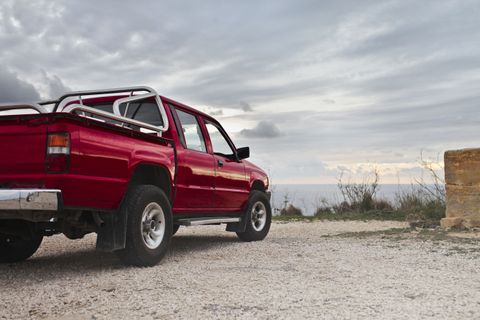
A pickup truck rental allows an individual or organization to use a pickup truck for a specified period under an agreed rental arrangement. Pickup trucks are light-duty vehicles designed with an enclosed passenger cabin and a separate cargo bed. Depending on the model, they can carry furniture, equipment, building materials, outdoor supplies, and other goods.
Pickup trucks are commonly used for household moves, home improvement projects, local transportation, outdoor activities, and certain commercial operations. Their open cargo beds make it easier to transport items that may not fit comfortably inside a passenger car.
A pickup truck rental can be useful when a person needs additional cargo capacity for a temporary task rather than requiring a dedicated vehicle throughout the year. However, vehicle dimensions, payload limits, driving conditions, and rental terms should be reviewed before making a decision.
What Is a Pickup Truck Rental?
A pickup truck rental is a temporary vehicle arrangement in which a driver receives permission to use a specified vehicle for an agreed duration. Depending on the provider and vehicle category, arrangements may cover several hours, a day, a weekend, or a longer period.
Rental vehicles can differ in engine type, cabin size, cargo-bed dimensions, towing capability, and payload capacity. Some models are designed primarily for everyday transportation, while others are built for heavier loads or specialized work.
Understanding these differences is important because a pickup truck that works well for transporting a few pieces of furniture may not be suitable for carrying construction materials or towing equipment.
Common Types of Pickup Trucks
Compact pickup trucks: Smaller vehicles generally suited to lighter loads and easier maneuvering.
Midsize pickup trucks: Vehicles that balance passenger space, cargo capacity, and everyday driving requirements.
Full-size pickup trucks: Larger vehicles that may provide greater payload and towing capabilities, depending on the configuration.
Heavy-duty pickup trucks: Models designed for demanding tasks within their specified weight and towing limits.
Flatbed trucks: Vehicles with an open, relatively level platform that can accommodate certain bulky or irregularly shaped loads.
Cargo trucks: Vehicles designed to transport goods, with body styles ranging from enclosed vans to larger commercial trucks.
The terms used in vehicle listings can vary by region. A cargo truck or flatbed truck is not necessarily a pickup truck, so it is important to check the actual vehicle type and specifications.
Why Pickup Truck Rentals Matter Today
Temporary access to a suitable vehicle can help people manage transportation requirements without maintaining a dedicated truck throughout the year. Household moves, landscaping projects, furniture transportation, and occasional commercial deliveries are examples of situations in which additional cargo capacity may be necessary.
A pickup truck can also provide flexibility when transporting objects that are awkwardly shaped or too large for a typical passenger vehicle. However, the practical advantages depend on the cargo, route, vehicle specifications, and applicable rental conditions.
Common Uses of Pickup Truck Rentals
Household moving: A pickup truck can transport selected furniture pieces, boxes, mattresses, and household equipment. Larger moves may require multiple trips or a vehicle with an enclosed cargo area.
Home improvement projects: Individuals renovating a home or garden may need to transport tools, timber, plants, or building materials. The load must remain within the vehicle's permitted capacity.
Small business operations: Businesses may use temporary vehicles for equipment transportation, inventory movement, event preparation, or occasional deliveries.
Outdoor activities: Pickup trucks can carry camping equipment, bicycles, gardening supplies, and recreational gear when the load is properly secured.
Construction and maintenance: Contractors may use suitable vehicles to transport tools, ladders, and materials between locations. The vehicle must be appropriate for the load and the working environment.
Specialized transportation: Flatbed vehicles can accommodate certain oversized or irregular items, subject to platform dimensions, weight limits, and securement requirements.
Key Benefits of Renting a Pickup Truck
Flexible vehicle access: A truck can be used for a specific task without requiring permanent ownership.
Cargo versatility: The open bed accommodates many items that are difficult to transport in ordinary cars.
Vehicle choice: Different truck sizes and configurations can suit different transportation needs.
Temporary business capacity: Organizations can address occasional transportation requirements without automatically expanding their permanent fleet.
Project convenience: A suitable vehicle can simplify the movement of equipment, furniture, and supplies.
Potentially simpler planning: Matching the vehicle to the task helps establish realistic loading, route, and timing expectations.
These benefits are not guaranteed in every situation. Vehicle availability, rental conditions, fuel consumption, insurance arrangements, and loading requirements can affect the overall experience.
Pickup Truck Rental Near Me: Important Factors to Consider
People searching for a pickup truck rental near me are usually looking for a vehicle within a convenient distance of their starting location. The most suitable option depends on the intended use, pickup and return arrangements, vehicle specifications, and local availability.
Search results may include vehicle rental branches, commercial fleet operators, local transportation businesses, and peer-to-peer vehicle platforms. Their operating procedures and vehicle categories can differ considerably.
Choosing the Right Vehicle
Before selecting a truck, identify the main transportation task.
For a small furniture move, a compact or midsize pickup may provide sufficient space. Larger furniture, building materials, or heavy equipment may require a different vehicle category.
Consider the following details:
Cargo-bed length and width: Confirm that the intended items fit within the available space.
Payload capacity: Check the maximum permitted weight of the cargo and occupants, according to the vehicle specifications.
Towing capacity: Verify the permitted towing weight if a trailer is involved.
Cabin capacity: Confirm the number of permitted passengers and available seat belts.
Fuel type: Determine whether the vehicle uses petrol, diesel, electricity, or another specified energy source.
Parking and access: Consider narrow roads, low-clearance structures, parking restrictions, and loading locations.
Driving requirements: Confirm that the driver's licence and experience are appropriate for the vehicle category.
A truck's external appearance does not reliably indicate its carrying capacity. Always check the manufacturer's specifications and any restrictions stated in the rental agreement.
Questions to Ask Before Confirming a Rental
Review the arrangement carefully before collecting the vehicle.
What identification and driving documents are required?
What is the permitted rental period?
Are there mileage or distance restrictions?
What fuel or charging arrangements apply?
What insurance or damage protection is included?
What happens if the vehicle breaks down?
Are additional drivers permitted?
What are the pickup, return, and late-return procedures?
Are there restrictions on interstate travel or one-way journeys?
How should existing vehicle damage be documented?
Clear answers help prevent misunderstandings and make transportation planning more predictable.
Truck Rental for Moving: Planning a Household Move
A truck rental for moving can be helpful when transporting furniture, appliances, boxes, and other household belongings. The right vehicle depends on the volume of goods, their dimensions, the distance involved, and whether several trips are practical.
Pickup trucks are often appropriate for selected bulky items or smaller loads. However, an open cargo bed exposes belongings to weather and road conditions, so an enclosed moving vehicle may be more suitable for certain household moves.
Preparing for a Moving Truck Rental
Start by making an inventory of the items that need transportation. Measure large objects such as beds, tables, wardrobes, and appliances. Compare these measurements with the cargo area's usable dimensions.
Prepare a loading plan that places heavy items low and distributes weight evenly. Secure the load with suitable straps and approved anchor points, and avoid placing cargo where it blocks mirrors, lights, number plates, or the driver's view.
For an open-bed truck, use suitable weather-resistant covers when appropriate. Covers should be secured so that they cannot loosen or create a road hazard.
Moving Checklist
Estimate the total cargo volume and weight.
Measure large furniture and appliances.
Confirm the vehicle's payload limit.
Obtain suitable packing materials and load-securing equipment.
Plan the pickup, loading, driving, and return schedule.
Check the route for height, width, and weight restrictions.
Protect fragile items and keep essential belongings accessible.
Inspect the truck before departure and document existing damage.
A moving plan should also account for loading access. Stairs, narrow entrances, long walking distances, and limited parking can affect the time needed to complete a move.
Commercial Truck Rental and Business Transportation
Commercial truck rental arrangements allow organizations to access vehicles for particular operational needs. They can be relevant to retailers, contractors, event organizers, maintenance teams, and businesses that experience changing transportation demands.
A business truck rental may be used for seasonal inventory movement, equipment transportation, short-term projects, or temporary fleet requirements. The appropriate arrangement depends on the frequency of use, vehicle specifications, driver requirements, and operating conditions.
Common Business Applications
Retail and inventory movement: Suitable vehicles can transport stock, display equipment, packaging materials, and supplies between approved locations.
Construction and maintenance: Pickup trucks may carry tools, protective equipment, and materials when the load remains within permitted limits.
Event preparation: Businesses may transport furniture, signage, audio equipment, and other event materials.
Landscaping: Open-bed vehicles can carry plants, gardening tools, soil containers, and selected landscaping equipment.
Temporary fleet expansion: Organizations may need additional vehicles during busy periods, special projects, or unexpected changes in operational requirements.
Evaluating Business Rental Arrangements
Businesses should consider more than the vehicle's physical size. Reliability, driver eligibility, insurance coverage, mileage restrictions, maintenance procedures, and return conditions also affect operational planning.
Organizations should establish who is permitted to drive the vehicle and how incidents, damage, breakdowns, and delays will be reported. For recurring transportation needs, comparing short-term arrangements with longer-term fleet plans can help clarify operational requirements.
Commercial use may also involve different insurance conditions or documentation requirements from personal use. The intended use should be disclosed accurately when confirming an arrangement.
One-Way Truck Rental and Cargo Transportation Options
A one-way truck rental allows a vehicle to be collected at one approved location and returned to another. This arrangement can be useful when moving between cities or transporting belongings along a route that does not require a return journey to the starting point.
However, one-way availability varies by provider, vehicle category, location, and date. Some arrangements may restrict travel to particular regions or require advance confirmation.
What to Check Before a One-Way Journey
Confirm that the destination is an approved return location.
Check mileage limits and permitted travel areas.
Review the scheduled return time and location-specific procedures.
Plan fuel stops and rest breaks for longer journeys.
Verify whether roadside assistance applies throughout the route.
Check whether the vehicle is suitable for the road conditions.
Confirm how delays or changes to the destination are handled.
A one-way arrangement should not be assumed to be available merely because a provider has branches in both locations.
Cargo Truck Rental and Flatbed Truck Rental
Cargo truck rental is a broad term covering vehicles designed to move goods. Depending on the category, these may include enclosed vans, box trucks, pickup trucks, and other commercial vehicles.
Enclosed vehicles can help protect cargo from rain, dust, and some external conditions. Flatbed trucks, by contrast, provide an open platform that may make loading certain oversized objects easier.
| Vehicle type | Common use | Important consideration |
|---|---|---|
| Pickup truck | Furniture, equipment, and smaller loads | Open-bed cargo protection |
| Enclosed cargo van | Boxes, equipment, and packaged goods | Interior dimensions |
| Box truck | Larger household or commercial loads | Height, width, and loading access |
| Flatbed truck | Selected oversized or irregular cargo | Load restraint and weight distribution |
| Heavy-duty truck | Demanding transportation tasks | Licence category and weight limits |
Vehicle classification and permitted uses differ across jurisdictions. The actual specifications and legal requirements should be checked before selecting a vehicle.
Pickup Truck Rental Costs, Insurance, and Documentation
The total expense of a pickup truck rental depends on the provider, location, vehicle category, rental duration, distance travelled, and applicable charges. Additional expenses may arise from fuel, optional equipment, insurance arrangements, late returns, or damage.
Rather than comparing only the advertised daily rate, review the complete written terms and determine which charges may apply to the planned journey.
Understanding Rental Insurance
Rental agreements may include certain forms of insurance or provide optional protection arrangements. Coverage differs by provider and jurisdiction, so the details should be reviewed rather than assumed.
Check whether the arrangement addresses third-party liability, damage to the rented vehicle, theft, roadside assistance, and any applicable excess or deductible. Also determine whether personal belongings and cargo are covered, because vehicle protection does not necessarily include transported items.
Drivers should confirm that the intended activity, destination, and any additional driver comply with the agreement.
Documents and Vehicle Inspection
The documents required depend on the country, vehicle category, and rental arrangement. Drivers may need a valid driving licence, identity documents, payment authorization, and additional records specified by the provider.
Before departure, inspect the exterior, tyres, lights, mirrors, windscreen, cabin, fuel level, and visible cargo-bed condition. Photograph existing damage and ensure that it is recorded according to the provider's procedure.
Check that required vehicle documents and emergency equipment are present. Report obvious safety problems before driving, and do not use a vehicle that appears unsafe.
Recent Developments in Truck Rental and Transportation
During 2025 and 2026, vehicle rental and transportation discussions have continued to focus on digital booking processes, fleet telematics, electric commercial vehicles, and improved vehicle monitoring. Adoption varies by country, vehicle category, and provider.
Digital rental management: Electronic documents, online reservation systems, and digital vehicle inspections can make it easier to organize pickup and return procedures.
Fleet telematics: Some commercial fleets use connected systems to monitor vehicle location, maintenance indicators, mileage, and driving patterns. Data collection practices and privacy requirements depend on the system and jurisdiction.
Electric commercial vehicles: Electric vans and some electric pickup models are expanding the range of available vehicle technologies. Their suitability depends on payload, driving distance, charging access, weather, and route conditions.
Maintenance planning: Fleet operators increasingly use digital records and maintenance schedules to track vehicle condition and identify servicing requirements.
These developments do not apply equally to all rental locations. When evaluating a particular vehicle, check the actual equipment, operating range, charging arrangements, and available support rather than relying on broad industry claims.
Laws, Driving Rules, and Rental Policies
Pickup truck rental requirements depend on the country and the vehicle's classification. Drivers should confirm the relevant rules before using a rented vehicle, particularly when transporting heavy cargo or crossing regional boundaries.
Driving Licence and Vehicle Eligibility
In India, the Motor Vehicles Act, 1988, and applicable central and state rules establish the legal framework for driving licences, vehicle registration, insurance, and road use.
The required licence depends on the vehicle category and applicable rules. A driver should not assume that every pickup truck can be operated under the same licence conditions. Confirm the vehicle classification, licence validity, and any restrictions that apply to the intended use.
Vehicle Insurance and Registration
Vehicles used on public roads in India must comply with applicable registration and motor vehicle insurance requirements. The rental provider's documentation should be checked to understand the vehicle's legal status and the driver's responsibilities.
Insurance coverage, permitted drivers, and the treatment of damage should be clearly understood before departure.
Cargo Weight and Road Safety
Loads must remain within the vehicle's permitted limits and be secured appropriately. Overloading can affect braking, steering, tyre performance, and vehicle stability.
Drivers should also observe applicable traffic rules, speed limits, parking restrictions, and road-specific limitations. Commercial operations may involve additional requirements depending on the vehicle category and intended activity.
Interstate Travel and One-Way Returns
A journey across state borders may involve additional permit, documentation, or agreement requirements, depending on the vehicle and its registration category. Confirm that the route and destination are permitted under the rental arrangement.
The same principle applies to one-way rentals: an approved return location and clear confirmation are essential before beginning the journey.
Frequently Asked Questions
1. What should beginners consider when choosing a pickup truck rental?
Consider cargo dimensions, payload capacity, driving conditions, passenger requirements, insurance, mileage restrictions, and the rental duration. Select a vehicle based on its specifications rather than appearance alone.
2. Is a pickup truck suitable for moving furniture?
A pickup truck can transport selected furniture when the items fit securely within the cargo bed and remain within the vehicle's permitted weight limit. An enclosed moving vehicle may be more appropriate for larger loads or belongings requiring greater weather protection.
3. What is the difference between a pickup truck and a flatbed truck?
A pickup truck generally has a passenger cabin and a separate open cargo bed. A flatbed truck has an open platform designed for certain cargo types. Their dimensions, loading methods, and permitted capacities vary by model.
4. Can a rented truck be returned to a different location?
Some providers permit one-way rentals, while others require the vehicle to be returned to its original location. Confirm destination eligibility, mileage restrictions, return procedures, and applicable terms before departure.
5. What should be checked before driving a rented pickup truck?
Inspect the tyres, lights, mirrors, brakes, windscreen, visible bodywork, cargo bed, and required vehicle documents. Confirm insurance arrangements, record existing damage, and ensure the load is properly secured before driving.
Conclusion
Pickup truck rentals can help individuals, families, and businesses manage temporary transportation requirements. Different vehicle types support different tasks, from moving furniture and carrying equipment to transporting selected commercial cargo.
Choosing an appropriate vehicle requires attention to payload capacity, cargo dimensions, driving conditions, rental terms, insurance, and documentation. One-way arrangements and specialized cargo vehicles can provide additional flexibility when their conditions match the intended journey.
By planning the load carefully, inspecting the vehicle, understanding applicable driving rules, and reviewing the complete rental agreement, beginners can make more informed transportation decisions. The most suitable arrangement is one that meets the practical requirements of the task while maintaining safety, legal compliance, and responsible vehicle use.

Related Post...

Minimalist Engagement Rings Guide: Styles, Designs, Benefits, and Essential Tips
Updated: October 28, 2026
Read More
Fishing Boat Rentals Guide: Essential Tips, Basics, and Helpful Insights
Updated: October 28, 2026
Read More
Private Jet Rentals Guide: Essential Tips, Travel Basics, and Helpful Insights
Updated: October 28, 2026
Read More