How To Check Your Credit Score: A Comprehensive Guide
A credit score is an important financial indicator that lenders and other eligible organizations may use when evaluating credit applications. Whether applying for a credit card, mortgage, auto loan, or personal loan, understanding your credit score can help you make informed financial decisions.
Learning How To Check Your Credit Score is a valuable step toward monitoring your financial health and identifying opportunities to improve your credit profile.
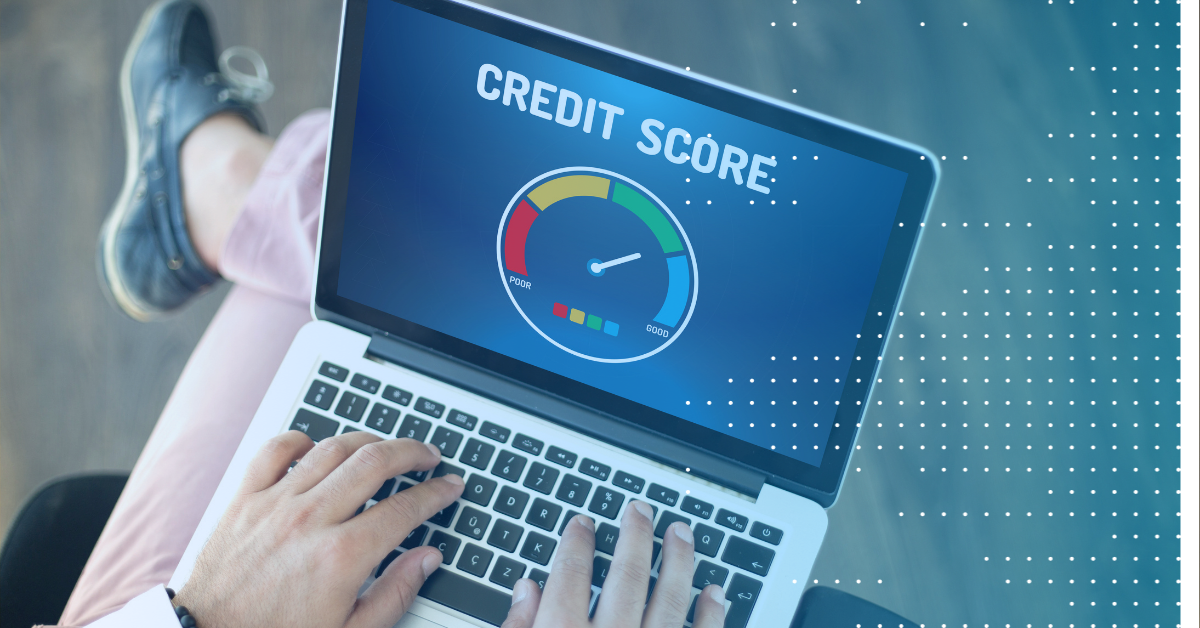
Today, many financial institutions and credit reporting agencies provide secure digital access to credit scores and credit reports through websites and mobile applications. Regularly reviewing your credit information can help you verify its accuracy, monitor changes, and detect potential issues early.
This guide explains how to check your credit score, what factors influence it, how to read a credit report, and best practices for maintaining healthy credit.
Note: Credit scoring models, reporting practices, and consumer rights vary by country, lender, and credit reporting agency. This article is for general educational purposes only and should not be considered financial or legal advice.
What Is a Credit Score?
A credit score is a numerical representation of a person's creditworthiness based on information contained in their credit history. Lenders may use this score, along with other financial information, when evaluating credit applications.
Credit scores may be considered for:
Credit card applications
Personal loans
Auto loans
Home loans or mortgages
Business financing
Rental applications in some regions
Insurance underwriting in certain jurisdictions
Utility account evaluations where applicable
Each lender may use different evaluation methods in addition to the credit score.
Why Checking Your Credit Score Matters
Monitoring your credit score helps you stay informed about your financial profile.
Regular credit checks may help you:
Understand your current credit standing
Detect reporting errors
Monitor changes over time
Identify possible fraudulent activity
Prepare for future loan applications
Improve long-term financial planning
Reviewing your credit information periodically can support responsible financial management.
How To Check Your Credit Score
Several legitimate methods are available for checking your credit score.
Use a Credit Reporting Agency
Many credit reporting agencies allow consumers to access their credit score or credit report through secure online portals, depending on local regulations and available services.
Check Through Your Bank or Credit Card Provider
Some banks and credit card issuers provide customers with access to credit score information as part of their online banking or mobile applications.
Use an Authorized Financial Platform
Certain authorized financial platforms partner with credit reporting agencies to provide credit score access and educational resources.
Request Your Credit Report
In many jurisdictions, consumers have the right to request a copy of their credit report from a credit reporting agency. Reviewing the report helps verify the information used to calculate credit scores.
Information Commonly Found in a Credit Report
A credit report typically includes information such as:
Personal identification details
Credit accounts
Payment history
Credit limits
Outstanding balances
Credit inquiries
Public records where applicable
Account status
The specific information may vary depending on the reporting agency and local regulations.
Factors That May Influence Your Credit Score
Although scoring models differ, common factors often include:
Payment History
Making payments on time generally has a significant influence on credit history.
Credit Utilization
Using a reasonable portion of available credit may help maintain a balanced credit profile.
Length of Credit History
Longer credit histories may provide more information for credit evaluation.
Credit Mix
Having different types of credit accounts may be considered by some scoring models.
New Credit Applications
Frequent credit applications within a short period may affect certain credit scoring models.
Each scoring system uses its own methodology.
Credit Score Monitoring Overview
| Step | Purpose |
|---|---|
| Access Credit Information | Review current credit score or report |
| Verify Personal Details | Confirm information is accurate |
| Review Credit Accounts | Check account status and balances |
| Examine Payment History | Monitor payment records |
| Identify Errors | Report inaccuracies if necessary |
| Continue Monitoring | Track changes over time |
Tips for Maintaining Healthy Credit
Responsible financial habits can support a stronger credit profile over time.
Helpful practices include:
Pay bills on time.
Monitor credit reports regularly.
Keep credit utilization at a manageable level.
Avoid unnecessary credit applications.
Maintain accurate personal information.
Review account activity for unauthorized transactions.
Keep older accounts open where appropriate and financially suitable.
Consistency is often an important factor in long-term credit management.
Digital Tools for Credit Monitoring
Many financial institutions provide digital features such as:
Credit score dashboards
Mobile banking applications
Credit monitoring alerts
Identity monitoring tools
Secure account notifications
Spending summaries
Financial education resources
Online dispute submission where available
These tools help consumers monitor their financial information more conveniently.
Common Credit Score Myths
Understanding common misconceptions can help consumers make informed decisions.
Some common myths include:
Checking your own credit score always lowers it.
Closing every unused credit account automatically improves your score.
A high income guarantees an excellent credit score.
Paying off debt instantly removes all negative history.
All lenders use exactly the same credit scoring model.
Actual credit evaluations vary depending on the scoring model and lending institution.
Current Trends
Credit reporting and financial technology continue to evolve.
Recent developments include:
Real-time credit monitoring
Mobile-first financial services
Artificial intelligence-assisted fraud detection
Digital identity verification
Open banking integration
Personalized financial insights
Automated account alerts
Enhanced cybersecurity protections
These innovations help improve transparency and consumer access to financial information.
Looking Ahead
Future credit monitoring services are expected to provide more personalized financial insights, faster reporting updates, stronger identity protection, and enhanced digital security. Artificial intelligence and advanced analytics may also help consumers better understand the factors influencing their credit profile and make more informed financial decisions.
Why Understanding How To Check Your Credit Score Matters
Learning How To Check Your Credit Score helps individuals monitor their financial health, verify the accuracy of reported information, and prepare for future borrowing decisions. Regular review of credit information, combined with responsible financial habits, supports long-term financial planning and greater confidence when managing credit.
Conclusion
Knowing How To Check Your Credit Score is an important part of maintaining financial awareness. By reviewing credit reports regularly, understanding the factors that influence credit scores, and monitoring account activity, consumers can identify potential issues early and make informed financial decisions. Since credit scoring methods and reporting practices differ across institutions and regions, consulting official credit reporting agencies and financial providers is the most reliable way to obtain accurate information.

Related Post...

Explore How Google Ads Improves Online Visibility and Audience Reach
Updated: September 18, 2026
Read More
Discover How Innovation and Balance Shape a Sustainable Tech Future
Updated: October 05, 2026
Read More
Skydo International Transaction Tool Guide for Global Business Payments
Updated: October 03, 2026
Read More