Original Equipment Manufacturer Insights for Modern Production Systems
Original Equipment Manufacturers (OEMs) are a fundamental part of modern manufacturing and industrial production. From automotive systems and industrial machinery to electronics and healthcare equipment, OEMs help create the components, assemblies, and products that support industries worldwide. While consumers may rarely interact directly with OEM operations, their influence can be found throughout the products and technologies used every day.
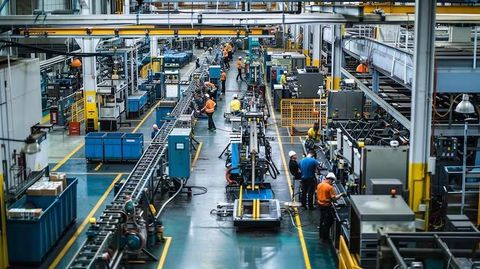
As production systems become more connected, automated, and data-driven, the role of OEMs continues to expand. Manufacturers are no longer focused solely on producing parts at scale. Today's production environments require greater flexibility, quality assurance, supply chain coordination, and technological integration, all of which place OEMs at the center of industrial innovation.
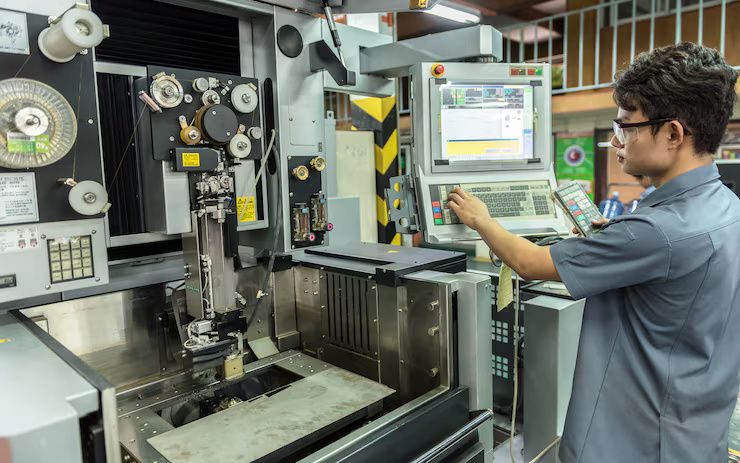
For businesses, professionals, and individuals interested in manufacturing, understanding how OEMs contribute to modern production systems provides valuable insight into the processes that drive efficiency, product reliability, and long-term industrial growth.
Understanding the OEM Manufacturing Model
An Original Equipment Manufacturer is typically responsible for designing, engineering, or producing components and products that are used within larger systems or sold under a specific brand. Depending on the industry, OEMs may manufacture complete products, specialized assemblies, or highly engineered components that support final production.
The OEM model has become increasingly important because modern products often require expertise across multiple disciplines. Rather than producing every component internally, organizations frequently collaborate with OEM partners that specialize in specific manufacturing processes or technologies.
This approach allows companies to focus on their core strengths while benefiting from specialized manufacturing knowledge and production capabilities.
Why OEMs Matter in Modern Production Systems
Modern production systems rely on precision, consistency, and operational efficiency. OEMs contribute to these objectives by providing expertise, manufacturing capacity, and technical support throughout the product lifecycle.
Their role extends beyond production alone. OEMs often participate in engineering collaboration, quality assurance, process optimization, and supply chain management.
As industries continue adopting advanced manufacturing technologies, OEMs help bridge the gap between product design and scalable production. Their ability to deliver reliable components and systems supports both operational performance and customer satisfaction.
Without strong OEM partnerships, many industries would face greater complexity in maintaining production efficiency and product quality.
The Connection Between OEMs and Supply Chain Performance
Supply chains have become increasingly interconnected, creating a greater need for coordination among manufacturers, suppliers, and logistics partners.
OEMs play a critical role within this ecosystem by helping ensure that components are available when needed and manufactured according to required specifications.
Effective OEM collaboration can support:
- Improved production planning
- Greater inventory visibility
- Reduced operational delays
- Better quality consistency
- Stronger supplier relationships
When supply chain partners work together effectively, organizations are better positioned to respond to changing customer demand and market conditions.
This level of coordination has become especially important as manufacturing operations continue to expand across regional and global networks.
How Technology Is Transforming OEM Operations
Technology has become one of the most significant drivers of change within OEM manufacturing environments.
Digital tools now allow manufacturers to monitor operations, analyze production data, and improve decision-making in ways that were not possible with traditional systems alone.
Several technologies are influencing modern OEM operations.
Automation and Robotics
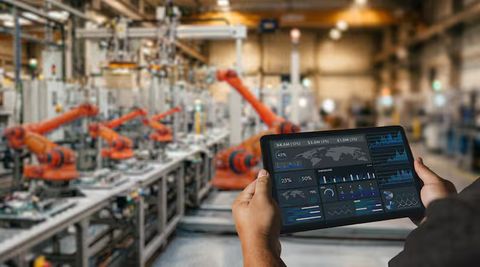
Automation helps manufacturers improve consistency and reduce repetitive manual activities. Robotic systems can support assembly operations, material handling, quality inspection, and production workflows.
Rather than replacing human expertise, automation often works alongside skilled employees to improve productivity and operational accuracy.
Industrial Data Analytics
Manufacturing facilities generate large amounts of operational information every day.
Data analytics platforms help organizations identify trends, monitor performance, and optimize production processes. These insights support better planning and more informed decision-making throughout manufacturing operations.
Connected Manufacturing Systems
Connected manufacturing environments allow equipment, software platforms, and operational teams to exchange information in real time.
This visibility helps manufacturers respond more quickly to production challenges while improving overall efficiency.
As digital transformation continues, connected systems are expected to play an increasingly important role in OEM manufacturing strategies.
Quality Management as a Competitive Advantage
Product quality remains one of the most important priorities in manufacturing.
OEMs must consistently meet technical specifications while maintaining reliability across production runs. Even small variations in quality can affect product performance and customer satisfaction.
To support quality objectives, manufacturers often implement structured quality management processes that include testing, inspection, monitoring, and continuous improvement initiatives.
Strong quality systems help organizations:
- Reduce defects
- Improve reliability
- Increase operational consistency
- Strengthen customer confidence
- Support regulatory compliance
In highly competitive industries, quality management often becomes a key factor influencing long-term success.
The Growing Demand for Manufacturing Flexibility
Modern markets are evolving more rapidly than ever before. Customer expectations, technological advancements, and industry requirements continue to change, creating demand for more adaptable production systems.
OEMs increasingly support flexible manufacturing strategies that allow organizations to respond efficiently to changing conditions.
This flexibility may involve:
- Adjustable production schedules
- Scalable manufacturing capacity
- Modular product designs
- Faster production transitions
By supporting adaptability, OEMs help organizations remain competitive while reducing operational disruptions.
Sustainability in OEM Manufacturing
Sustainability has become an important consideration throughout industrial production.
Manufacturers are exploring ways to improve efficiency while reducing resource consumption and operational waste. These efforts often align with broader environmental and business objectives.
Common sustainability initiatives include energy-efficient operations, material optimization, waste reduction programs, and improved production planning.
While sustainability goals may vary across industries, the overall focus remains on creating manufacturing systems that support long-term operational resilience and responsible resource management.
As sustainability expectations continue to evolve, OEMs are likely to play an increasingly important role in helping organizations achieve their environmental and efficiency objectives.
Challenges Facing OEMs in a Changing Industrial Landscape
Despite significant technological progress, OEMs continue to face several challenges.
One major challenge involves balancing innovation with operational stability. New technologies can create opportunities for improvement, but they also require careful implementation and workforce readiness.
Other common challenges include:
- Supply chain disruptions
- Workforce skill development
- Technology integration complexity
- Changing customer requirements
- Regulatory considerations
Addressing these challenges often requires a combination of strategic planning, investment in technology, and continuous improvement efforts.
Organizations that remain adaptable are generally better positioned to navigate evolving market conditions.
Future Trends Shaping OEM Manufacturing
The future of OEM manufacturing will likely be influenced by greater connectivity, automation, and data-driven operations.
Artificial intelligence is expected to support predictive maintenance, production optimization, and quality analysis. Digital twin technologies may allow manufacturers to simulate production environments before implementing operational changes.
At the same time, manufacturers are expected to place greater emphasis on resilience, flexibility, and sustainability.
Rather than focusing solely on production output, future OEM strategies will likely prioritize operational intelligence, adaptability, and long-term efficiency.
As these trends continue to develop, OEMs will remain central to the evolution of modern production systems.
Conclusion
Original Equipment Manufacturers play a vital role in modern production systems by supporting manufacturing efficiency, product quality, supply chain performance, and technological innovation. Their contributions extend far beyond component production, influencing how products are designed, manufactured, delivered, and maintained throughout their lifecycle.
As industries continue embracing automation, digital transformation, and connected manufacturing technologies, OEMs will remain important partners in helping organizations adapt to changing market demands. By combining specialized expertise with modern production capabilities, OEMs contribute to the development of more efficient, resilient, and future-ready manufacturing ecosystems that support industrial growth across a wide range of sectors.

Related Post...

Hazardous Chemical Bulk Transportation: Explore Safe Cargo Handling Procedures
Updated: October 01, 2026
Read More
International Shipping Container Logistics Explore Smarter Cargo Coordination
Updated: October 19, 2026
Read More