Industrial Fabrication Advanced Production Insights for Modern Engineering
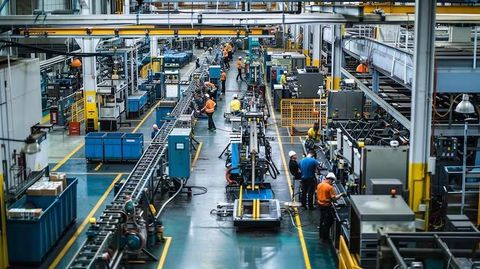
Industrial fabrication is a cornerstone of modern engineering, enabling the production of structural frameworks, machinery, industrial equipment, and specialized components used across manufacturing, construction, transportation, and energy sectors. By transforming raw materials into precisely engineered products, fabrication supports industries that rely on durable, high-performance equipment.
As manufacturing technologies continue advancing, industrial fabrication has evolved far beyond traditional metalworking. Today's production facilities combine precision engineering, computer-controlled machinery, automated welding, and rigorous quality management to manufacture components that meet demanding operational requirements.
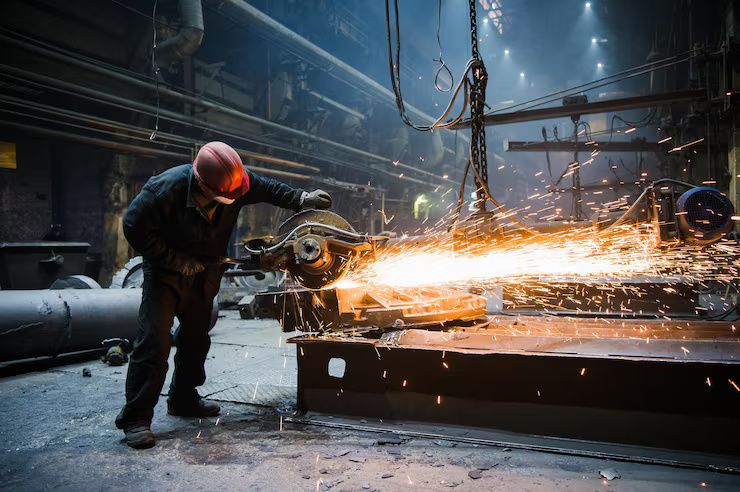
A clear understanding of industrial fabrication helps explain how complex engineering projects move from digital designs to finished products. The processes, materials, and production methods involved directly influence product reliability, structural integrity, and long-term performance.
Industrial Fabrication Within Modern Manufacturing
Industrial fabrication encompasses a series of manufacturing processes used to shape, assemble, and finish raw materials into engineered products. Rather than relying on a single production method, fabrication integrates multiple operations that work together to produce complete assemblies.
Fabrication supports a wide range of industries, including heavy equipment manufacturing, industrial automation, infrastructure development, oil and gas, renewable energy, aerospace, and material handling systems. Each sector requires fabricated components designed to withstand unique operating conditions while maintaining consistent performance.
Modern fabrication facilities also emphasize production efficiency, dimensional accuracy, and repeatability, ensuring that every manufactured component meets established engineering specifications.
Core Fabrication Processes
Industrial fabrication consists of several interconnected production stages, each contributing to the finished product.
Material preparation begins by selecting appropriate metals or engineered materials based on structural requirements, operating environments, and expected mechanical loads. Sheets, plates, pipes, or structural sections are then cut to the required dimensions using precision manufacturing equipment.
Forming operations reshape materials through bending, rolling, or pressing to achieve specific geometries. Machining processes further refine critical surfaces, holes, and mounting features that require tight dimensional tolerances.
Welding joins fabricated parts into complete assemblies. Depending on the application, manufacturers may use robotic welding systems, manual welding techniques, or hybrid approaches that combine automation with skilled craftsmanship.
The final stages typically include grinding, surface finishing, protective coatings, painting, and detailed inspection before completed products move to assembly or shipment.
Materials Used in Industrial Fabrication
Material selection plays a significant role in fabrication quality and product performance. Engineers evaluate mechanical properties, corrosion resistance, manufacturability, and expected service conditions before selecting suitable materials.
Common fabrication materials include:
- Carbon steel for structural applications
- Stainless steel for corrosion-resistant environments
- Alloy steel for high-strength industrial components
- Aluminum alloys for lightweight structures
- Copper alloys for electrical applications
- Specialty metals for demanding industrial environments
Each material offers distinct advantages depending on the operational requirements of the finished product. Proper material selection improves durability while supporting manufacturing efficiency throughout production.
Digital Technologies Improve Fabrication Accuracy
Modern fabrication facilities increasingly rely on digital engineering tools to improve productivity and precision.
Computer-aided design software allows engineers to develop highly detailed three-dimensional models before manufacturing begins. These digital models reduce production errors by verifying component fit, structural performance, and assembly compatibility during the design phase.
Computer numerical control machinery further enhances fabrication accuracy by automating cutting, drilling, milling, and machining operations. Automated production equipment consistently maintains dimensional tolerances while reducing manual intervention across repetitive manufacturing tasks.
Production management software also supports scheduling, inventory coordination, process monitoring, and quality documentation, creating a more connected manufacturing environment.
Quality Control Throughout Fabrication
Quality management extends across every stage of industrial fabrication rather than focusing only on final inspection.
Raw materials undergo verification before entering production, ensuring compliance with engineering specifications and material certifications. During fabrication, operators continuously inspect dimensions, weld quality, alignment, and surface finish to identify potential deviations before they affect later production stages.
For critical structures, manufacturers may perform non-destructive testing methods such as ultrasonic inspection, magnetic particle testing, or dye penetrant examination to verify weld integrity without damaging finished components.
Final inspection confirms dimensional accuracy, functional performance, coating quality, and overall manufacturing consistency before products leave the facility.
Safety and Operational Best Practices
Industrial fabrication environments involve heavy machinery, elevated temperatures, moving equipment, and specialized production tools. Maintaining safe operations requires disciplined manufacturing procedures and continuous workforce awareness.
Successful fabrication facilities commonly emphasize:
- Standardized operating procedures
- Equipment inspection and preventive maintenance
- Proper handling of fabrication materials
- Welding safety practices
- Personal protective equipment
- Machine guarding and workplace organization
- Continuous workforce training
Combining these practices with effective production planning helps improve operational reliability while supporting a safer working environment.
Sustainability in Fabrication Operations
Environmental responsibility has become an increasingly important aspect of industrial fabrication. Manufacturers continue adopting production methods that improve material efficiency while reducing waste generation and energy consumption.
Advanced nesting software optimizes cutting layouts to minimize material scrap, while recycling programs recover valuable metal from fabrication processes. Energy-efficient machinery, improved ventilation systems, and environmentally responsible surface treatment technologies also contribute to more sustainable manufacturing operations.
These initiatives allow manufacturers to improve production efficiency without compromising engineering quality or product durability.
Future Direction of Industrial Fabrication
Industrial fabrication continues evolving through greater automation, digital integration, and advanced manufacturing technologies. Robotic welding systems, collaborative robots, automated material handling, and intelligent inspection technologies are becoming increasingly common across production facilities.
Data-driven manufacturing also enables continuous monitoring of machine performance, production efficiency, and equipment utilization. This information supports predictive maintenance, improved process control, and ongoing production optimization.
As engineering requirements become more demanding, fabrication facilities will continue integrating advanced technologies while maintaining the precision, craftsmanship, and quality standards that remain fundamental to industrial manufacturing.
Conclusion
Industrial fabrication combines engineering knowledge, precision manufacturing, material science, and quality management to produce the structural and mechanical components that support modern industry. Every stage, from material preparation through final inspection, contributes to manufacturing products capable of meeting demanding operational requirements.
As production technologies continue advancing, industrial fabrication will remain a critical discipline within modern engineering. Organizations that combine skilled fabrication practices with digital manufacturing, automation, and continuous quality improvement will continue delivering reliable products that support infrastructure, manufacturing, transportation, and countless other industrial applications.

Related Post...

Intermodal Freight Transport Solutions for Smarter Logistics Coordination
Updated: October 21, 2026
Read More
Industrial Production Automation Integration: Explore Connected Manufacturing Workflows
Updated: October 01, 2026
Read More
Wire Mesh Conveyor Belt: Explore Designs for Industrial Material Handling
Updated: October 06, 2026
Read More