The concept of circuit protection has evolved over time, moving from traditional fuse systems to more advanced solutions like miniature circuit breakers. Unlike fuses, which require replacement after operation, MCBs can be reset and reused. This development has made them a standard component in modern electrical systems.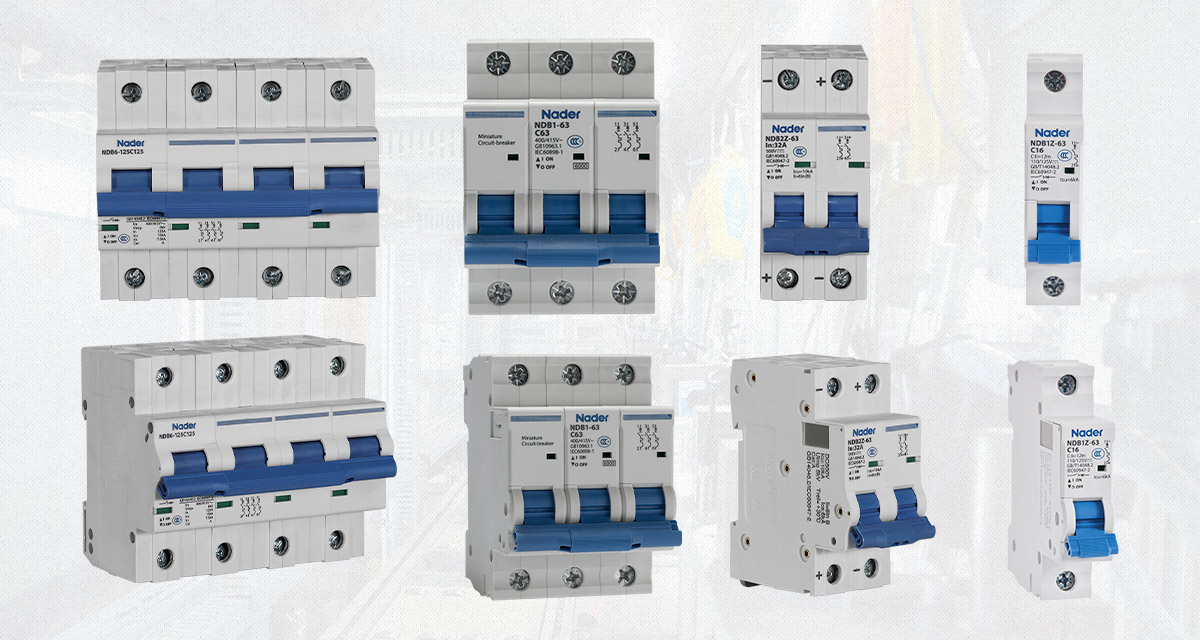
Understanding MCBs, including how MCB works and the MCB working principle, helps explain their role in maintaining safe and stable electrical environments in homes, offices, and industrial settings.
Importance
MCBs are important because they act as a first line of defense against electrical faults. Electrical systems are exposed to risks such as overload, where too much current flows through a circuit, and short circuits, where unintended connections create sudden spikes in current.
These devices are widely used across different environments:
- In homes, they protect appliances and wiring from damage
- In commercial spaces, they support safe operation of electrical systems
- In industrial setups, they are part of larger circuit protection devices used for complex systems
The importance of miniature circuit breakers can be seen in their ability to reduce risks such as electrical fires and equipment failure. By quickly disconnecting faulty circuits, they help maintain electrical safety without requiring manual intervention.
Types of MCB
There are different types of MCB designed to handle various levels of current and applications. These types of MCB are categorized based on their tripping characteristics.
Type B MCB
Type B MCBs trip when the current exceeds a moderate level above the normal rating.
- Commonly used in residential settings
- Suitable for lighting and small appliances
Type C MCB
Type C MCBs can handle higher surge currents compared to Type B.
- Used in commercial environments
- Suitable for equipment with moderate starting currents
Type D MCB
Type D MCBs are designed for high inrush currents.
- Used in industrial MCB applications
- Suitable for heavy machinery and motors
These variations ensure that different electrical systems receive appropriate levels of protection.
How MCB Works
Understanding how MCB works requires a look at its internal mechanism and response to electrical faults.
MCB Working Principle
The MCB working principle is based on two key mechanisms:
- Thermal operation uses a bimetallic strip that bends when heated due to excess current
- Magnetic operation uses an electromagnetic coil that reacts instantly during short circuits
When the current exceeds safe limits, these mechanisms trigger the breaker to open the circuit and stop the flow of electricity.
Key Components
MCBs consist of several components that support their function:
- Operating mechanism that opens and closes the circuit
- Bimetallic strip for overload protection
- Electromagnetic coil for short circuit protection
- Arc extinguishing chamber to safely stop electrical arcs
These components work together to ensure reliable circuit protection.
MCB Uses and Applications
MCB uses are found in a wide range of environments where electrical safety is required.
Residential Applications
In homes, miniature circuit breakers are used to protect lighting systems, appliances, and wiring. They help prevent damage caused by overload conditions.
Commercial Applications
In offices and commercial buildings, MCB applications include protecting electrical panels, equipment, and distribution systems.
Industrial Applications
Industrial environments use MCBs as part of larger circuit protection devices. They help manage complex electrical systems and protect machinery from faults.
The versatility of MCB applications makes them suitable for both small-scale and large-scale electrical systems.
MCB vs Fuse
A common comparison in electrical safety devices is MCB vs fuse. Both are used for circuit protection, but they differ in operation and usability.
| Feature | MCB | Fuse |
|---|---|---|
| Operation | Automatic switching | Melting element |
| Reusability | Resettable | Needs replacement |
| Response Time | Fast | Varies |
| Maintenance | Minimal | Requires replacement |
| Application | Modern systems | Older or simple systems |
This comparison highlights why miniature circuit breakers are widely used in modern electrical systems.
Recent Updates
Recent developments in circuit protection devices include improved safety features and integration with smart electrical systems. Modern MCBs are being designed to work alongside digital monitoring systems that provide real-time information about electrical usage and faults.
There is also a growing focus on compact designs and higher efficiency. These improvements make MCB applications more adaptable to modern infrastructure, including smart homes and automated buildings.
Another trend is the integration of advanced materials that improve durability and performance under varying conditions.
Laws or Policies
Electrical safety devices such as MCBs are governed by regulations to ensure safe installation and usage.
Safety Standards
Electrical systems must follow national safety codes that define how circuit protection devices should be used. These standards ensure proper functioning and reduce risk.
Certification Requirements
MCBs must meet certification guidelines before being used in electrical systems. These certifications verify that the devices meet quality and safety benchmarks.
Installation Guidelines
Proper installation practices are required to ensure effectiveness. This includes correct sizing, placement, and connection within electrical panels.
These regulations help maintain consistent safety across residential, commercial, and industrial environments.
Tools and Resources
Several tools and resources help in understanding and managing MCB applications.
Electrical Load Calculators
These tools help estimate the electrical load of a system, making it easier to select appropriate circuit protection devices.
Wiring Diagram Tools
Diagram tools assist in visualizing electrical connections and circuit layouts.
Monitoring Systems
Digital monitoring systems track electrical performance and identify faults in real time.
Educational Materials
Guides and manuals explain how MCB works, types of MCB, and proper usage in different environments.
These resources support better understanding and safe handling of miniature circuit breakers.
FAQs
What are miniature circuit breakers and how do they work?
Miniature circuit breakers are electrical safety devices that automatically stop the flow of electricity when a fault such as overload or short circuit occurs.
What are the different types of MCB?
The main types of MCB include Type B, Type C, and Type D, each designed for different current levels and applications.
What is the difference between MCB vs fuse?
MCB vs fuse comparison shows that MCBs are resettable and reusable, while fuses need replacement after operation.
Where are MCB applications commonly used?
MCB applications are commonly used in homes, offices, and industrial systems to protect circuits and equipment.
Why are MCBs important for electrical safety?
MCBs are important because they prevent damage caused by electrical faults and help maintain safe operation of electrical systems.
Conclusion
MCBs are essential components in modern electrical systems, providing protection against overload and short circuit conditions. Their design and functionality make them more practical than traditional fuse systems. Understanding types of MCB, their working principle, and applications helps clarify their role in electrical safety. As technology evolves, these devices continue to adapt to meet changing requirements in different environments.