MCBs were developed as a safer and more efficient alternative to traditional fuses. Unlike a fuse, which must be replaced after it blows, an MCB can be easily reset, making it both cost-effective and convenient.
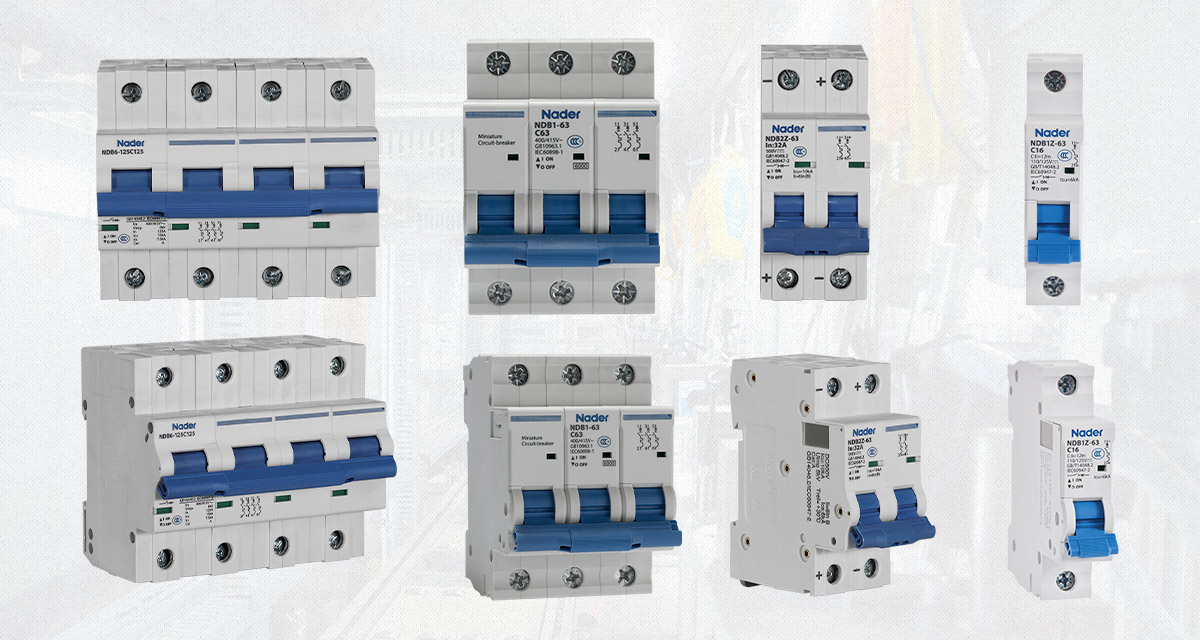
These devices are now standard in residential, commercial, and industrial settings around the world, playing a crucial role in everyday electrical safety.
Why MCBs Matter in Modern Life
Electricity is central to our daily lives from powering lights and appliances to supporting critical operations in hospitals and industries. However, electrical systems are vulnerable to faults that can cause fires, equipment damage, or personal injury.
Key problems MCBs help solve:
Preventing electrical fires: MCBs instantly stop current flow during overloads or short circuits.
Protecting appliances and devices: Excessive currents can damage electronics; MCBs help reduce the risk.
Improving safety in homes and buildings: Automatic disconnection prevents harm to people during electrical faults.
Ease of use: Unlike traditional fuses, MCBs are easy to reset with a simple switch.
MCBs are especially important in countries where the electrical grid is less stable or where safety standards are still evolving. As demand for reliable electricity grows globally, the role of MCBs becomes even more vital.
What’s New: Trends and Updates in MCB Technology
Over the last year, the miniature circuit breaker market has seen technological innovations and regulatory updates aimed at improving energy efficiency and safety:
Smart MCBs: In 2024, leading manufacturers like Schneider Electric and Siemens introduced Wi-Fi-enabled MCBs that allow remote monitoring of power consumption and faults.
Integrated Arc Fault Detection: New MCB models now combine arc fault detection, offering additional protection against electrical fires—especially in older buildings.
Miniaturization and Modular Design: Devices are becoming smaller, allowing better integration into compact control panels.
Global Market Growth: According to a 2025 report by MarketsandMarkets, the MCB market is expected to grow at a CAGR of 5.6% due to rising demand from renewable energy systems and smart buildings.
These updates reflect a shift toward not just safety, but also energy awareness and digital control in home and industrial energy systems.
Regulatory Environment: Standards and Safety Codes for MCBs
MCBs are subject to various national and international standards to ensure they perform reliably:
IEC 60898-1 (International): Defines requirements for MCBs used in household and similar installations.
UL 489 (USA): Governs molded case circuit breakers, including MCBs, used in North America.
IS/IEC 60898 (India): Specifies general performance requirements for MCBs in residential and light commercial applications.
EU Directives: In Europe, MCBs must comply with Low Voltage Directive (LVD) and RoHS (Restriction of Hazardous Substances).
Key regulatory impacts include:
| Country/Region | Governing Body | Key Standards/Policies |
|---|---|---|
| USA | UL, NEC | UL 489, National Electrical Code (NEC) |
| Europe | CENELEC, CE | IEC 60898-1, LVD, RoHS |
| India | BIS | IS/IEC 60898 |
| Global | IEC | International safety and testing standards |
Adhering to these standards ensures that MCBs function correctly, reduce risks, and are legally compliant in various regions.
Useful Tools and Resources for Electrical Safety
Whether you're an electrician, homeowner, or facility manager, there are several resources available to help you choose and use MCBs effectively:
Circuit Breaker Selection Tools
Brands like ABB, Legrand, and Schneider Electric offer online configuration tools to help choose the right MCB for your application.
Load Calculators
Free apps like Electrical Load Calculator by ElecToolbox let users estimate current loads and decide breaker ratings.
Online Electrical Code Guides
NFPA Electrical Safety Codes (US)
European Commission LVD Resources
DIY Safety Checklists
Ensure the load does not exceed the MCB rating.
Test your MCBs periodically for proper tripping.
Avoid using damaged wires or plugs.
These tools can help improve planning, prevent errors, and promote safer electrical design.
Frequently Asked Questions (FAQs)
1. What is the difference between an MCB and a fuse?
An MCB automatically switches off during an overload or fault and can be reset, while a fuse melts and must be replaced. MCBs are more convenient and reusable.
2. Can I replace an MCB myself?
Unless you are trained in electrical systems, it's recommended to let a licensed electrician replace or install MCBs. Incorrect installation can lead to fire hazards.
3. How do I choose the right MCB rating?
MCB rating is based on the total load of the circuit. Use load calculators or consult an electrician to select the correct amperage (e.g., 6A, 16A, 32A).
4. Do MCBs work for all types of electrical faults?
MCBs protect mainly against overloads and short circuits. For additional protection (like earth leakage), devices like RCCBs (Residual Current Circuit Breakers) or AFCIs (Arc Fault Circuit Interrupters) are needed.
5. How often should MCBs be tested or replaced?
While MCBs are durable, regular inspection (every 1–2 years) is advised, especially in high-use environments. If an MCB frequently trips or fails to trip, it may need replacement.
Final Thoughts
Miniature Circuit Breakers are essential building blocks of modern electrical safety. Their ability to prevent overloads and short circuits has made them a standard feature in homes, industries, and infrastructure worldwide.
With new trends such as smart breakers, digital monitoring, and stricter regulatory compliance, MCBs are evolving beyond simple protective devices to become active components in energy management systems.
Whether you're setting up a home circuit, running a commercial facility, or working in industrial engineering, understanding MCBs is not just helpful it’s essential for safety, compliance, and efficiency.