Manufacturing Machinery Knowledge: Guide to Modern Production Equipment
Manufacturing machinery is the foundation of modern production across many industries. From small workshops to large industrial facilities, machines help transform raw materials into finished products with greater accuracy and consistency.
Over time, manufacturing machinery has evolved from simple mechanical equipment to advanced systems supported by automation, digital monitoring, and intelligent controls.
Understanding manufacturing machinery knowledge is valuable for students, professionals, business owners, and anyone interested in modern production. Learning about different types of production equipment, current technologies, and industry standards helps people understand how products are made while supporting better planning, maintenance, and workplace efficiency.
Context
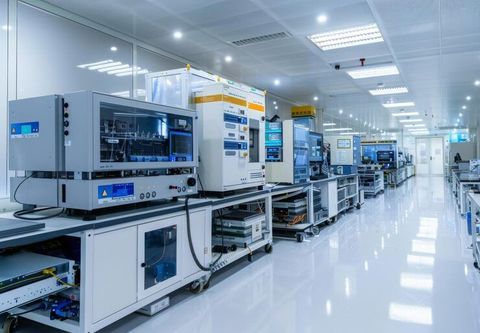
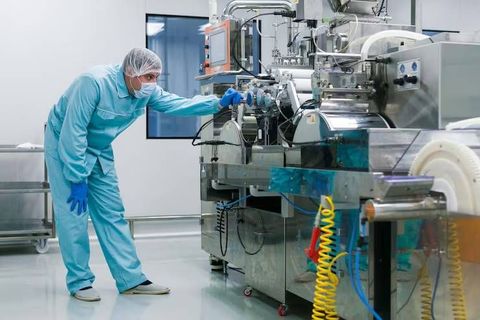
Manufacturing machinery refers to equipment designed to process, assemble, shape, package, or inspect materials during production. These machines are used in industries such as automotive, food processing, electronics, textiles, pharmaceuticals, construction materials, and metal fabrication.
The history of manufacturing machinery began with manual mechanical tools and gradually advanced through industrial automation. Today, many production facilities combine robotics, programmable controllers, sensors, and data analytics to improve manufacturing operations.
The primary purpose of modern production equipment is to:
- Improve production consistency
- Increase operational efficiency
- Reduce manual handling
- Support product quality
- Enhance workplace safety
Common Types of Manufacturing Machinery
| Machinery Type | Primary Purpose | Common Industries |
|---|---|---|
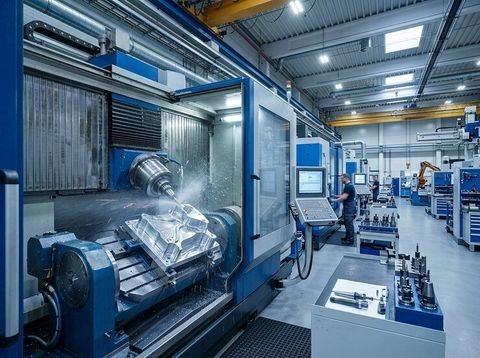
| CNC Machines | Precision cutting and shaping | Metalworking, aerospace |
| Injection Molding Machines | Plastic component production | Automotive, consumer goods |
| Packaging Machines | Product packaging | Food, pharmaceuticals |
| Conveyor Systems | Material movement | Warehousing, manufacturing |
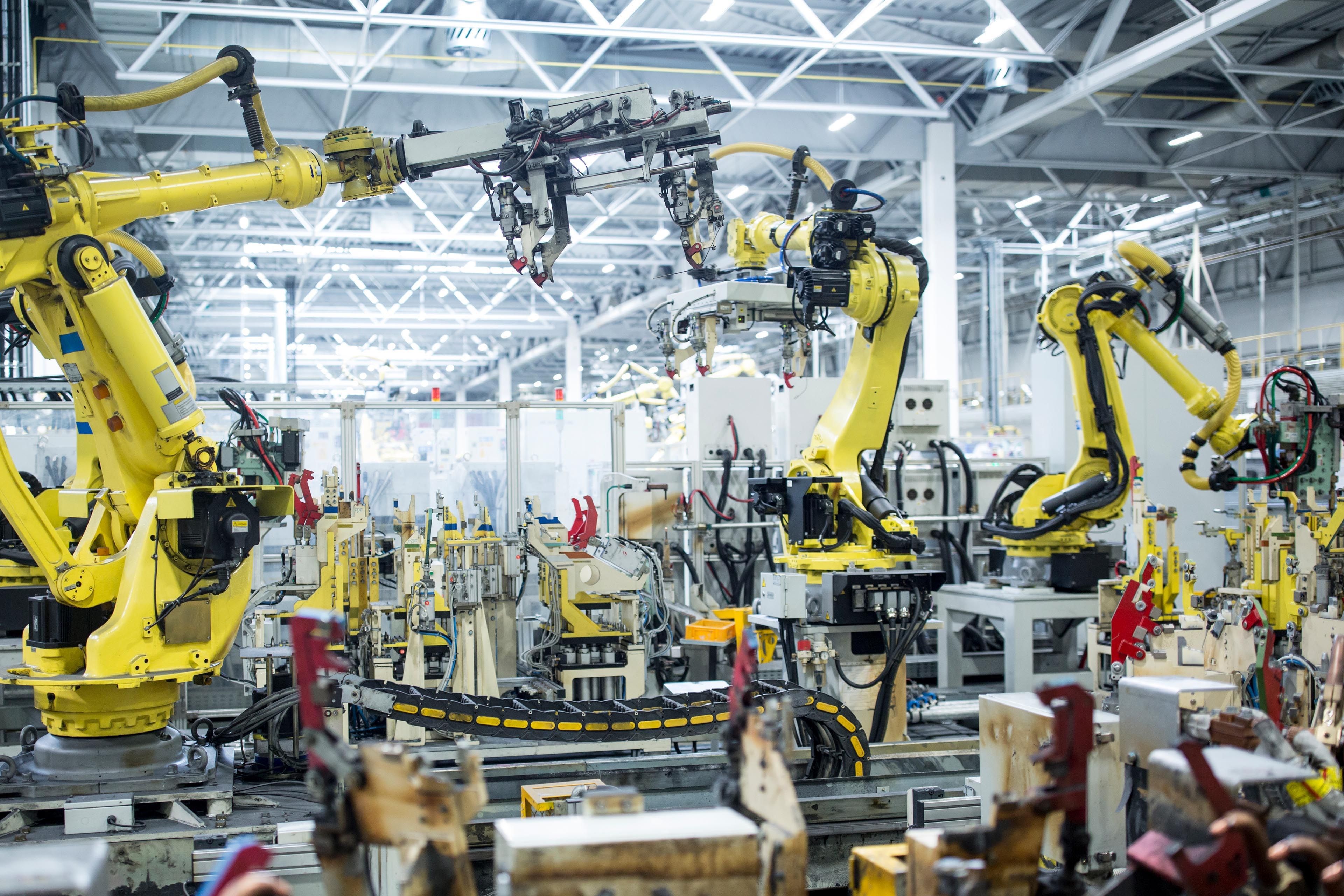
| Industrial Robots | Automated assembly and handling | Electronics, automotive |
| Laser Cutting Machines | Precision material cutting | Metal fabrication |
| Printing Machines | Label and package printing | Packaging, publishing |
| Inspection Equipment | Quality verification | Manufacturing, electronics |
Importance
Manufacturing machinery plays an important role in global production systems. Nearly every product used in daily life passes through one or more manufacturing processes supported by specialized equipment.
For manufacturers, machinery helps maintain production accuracy and consistent output while reducing unnecessary material waste. For employees, modern equipment often improves workplace safety by automating repetitive or hazardous tasks.
Manufacturing machinery also supports national economic development by improving industrial productivity and encouraging technological innovation. Efficient production equipment contributes to stronger supply chains across sectors including healthcare, transportation, consumer products, agriculture, and renewable energy.
Who Benefits from Manufacturing Machinery Knowledge?
Manufacturing machinery knowledge is useful for:
- Engineering students
- Factory managers
- Production supervisors
- Maintenance technicians
- Quality control professionals
- Supply chain planners
- Industrial researchers
- Technical educators
Understanding how production equipment operates also helps organizations make informed decisions about maintenance planning, workforce training, and equipment upgrades.
Recent Updates
Between 2024 and 2026, manufacturing machinery has continued to evolve through digital technologies and smarter production systems. Many industries are adopting connected equipment that improves operational visibility while supporting predictive maintenance.
One major trend is the increased integration of Industrial Internet of Things (IIoT) technology. Sensors installed on machinery collect operational data that helps identify maintenance requirements before equipment failures occur.
Artificial intelligence is also becoming more common in manufacturing environments. AI-powered software analyzes machine performance, production quality, and energy usage to support better decision-making.
Collaborative robots, often called cobots, continue to expand in manufacturing facilities. Unlike traditional industrial robots, cobots are designed to operate alongside human workers during selected production activities.
Other notable developments include:
- Increased use of digital twins for equipment simulation
- Growth of cloud-based manufacturing monitoring
- Improved energy-efficient machine designs
- Expanded use of automated quality inspection systems
- Greater adoption of predictive maintenance software
- Advanced cybersecurity measures for connected machinery
Sustainability remains another important focus. Manufacturers are investing in machinery that reduces energy consumption, minimizes production waste, and supports environmentally responsible manufacturing practices.
Laws or Policies
Manufacturing machinery is subject to various national and international regulations intended to promote workplace safety, product quality, and environmental responsibility.
While regulations differ between countries, many organizations follow internationally recognized standards developed by standardization bodies and industry regulators.
Some commonly referenced areas include:
- Machine safety requirements
- Electrical equipment standards
- Occupational health and safety regulations
- Environmental compliance requirements
- Energy efficiency guidelines
- Equipment maintenance documentation
- Worker safety training procedures
Organizations should regularly review government regulations applicable to their industry and location to maintain compliance throughout the equipment lifecycle.
International manufacturing standards often encourage:
- Regular machine inspections
- Risk assessments
- Emergency stop systems
- Protective machine guarding
- Scheduled preventive maintenance
- Operator training documentation
Following established regulations helps improve workplace safety while supporting reliable production performance.
Tools and Resources
Several digital resources help individuals and organizations improve manufacturing machinery knowledge and production planning.
Useful resources include:
- Government manufacturing guidance portals
- Occupational safety authority publications
- International standards organizations
- Industrial automation documentation
- Equipment maintenance scheduling software
- Production planning templates
- Preventive maintenance checklists
- Energy efficiency assessment calculators
Many manufacturers also provide technical manuals, maintenance schedules, operator guides, and troubleshooting documentation to support proper equipment operation.
Learning platforms offering industrial automation, robotics, CNC programming, and manufacturing engineering courses can further improve understanding of modern production equipment.
FAQs
What is manufacturing machinery?
Manufacturing machinery includes machines used to produce, assemble, process, inspect, package, or transport products during industrial production.
Why is manufacturing machinery important?
Manufacturing machinery improves production efficiency, supports consistent quality, enhances workplace safety, and enables large-scale manufacturing across many industries.
What are the latest trends in manufacturing machinery?
Recent trends include industrial automation, artificial intelligence, Industrial Internet of Things (IIoT), collaborative robots, predictive maintenance, digital twins, and energy-efficient equipment.
How does preventive maintenance help production equipment?
Preventive maintenance reduces unexpected downtime, extends equipment life, improves operational reliability, and supports safer working conditions.
Which industries use manufacturing machinery?
Manufacturing machinery is widely used in automotive, electronics, pharmaceuticals, food processing, construction materials, textiles, packaging, aerospace, and consumer goods manufacturing.
Conclusion
Manufacturing machinery remains a critical part of modern industrial production. Advances in automation, digital technologies, and intelligent monitoring continue to improve efficiency, safety, and production quality across multiple industries.
Developing manufacturing machinery knowledge helps individuals better understand production equipment, industry standards, and emerging technologies. As manufacturing continues to evolve, ongoing learning and awareness of regulations, maintenance practices, and technological innovations will remain valuable for organizations and professionals alike.
Modern production equipment will continue supporting efficient manufacturing while adapting to changing industrial requirements, sustainability goals, and technological progress.

Related Post...
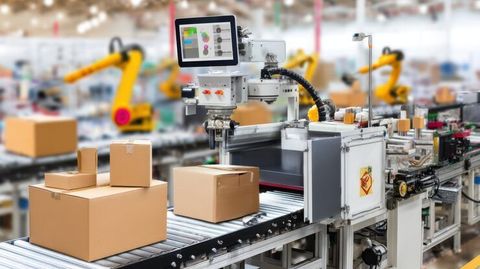
Discover Packaging Machines: Useful Information About Modern Systems and Industry Trends
Updated: October 02, 2026
Read More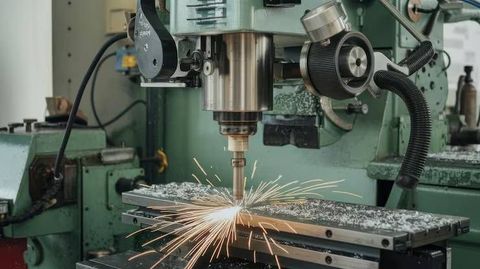
CNC Machine Guide to Types, Features, and Manufacturing Processes
Updated: October 20, 2026
Read More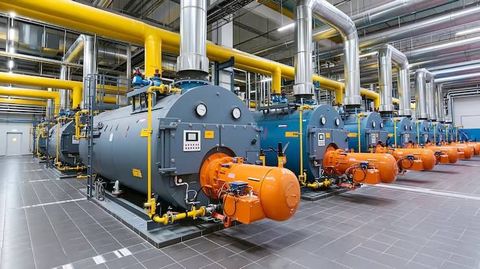
Industrial Boilers Explore Guide for Modern Industrial Heating Technology
Updated: October 19, 2026
Read More