Traditional measurement tools relied heavily on manual checks and analog references. As instruments became more complex and data-driven, digital calibration systems emerged to provide higher precision, repeatability, and traceability. These systems use digital sensors, reference standards, and software-based analysis to compare actual measurements against known values.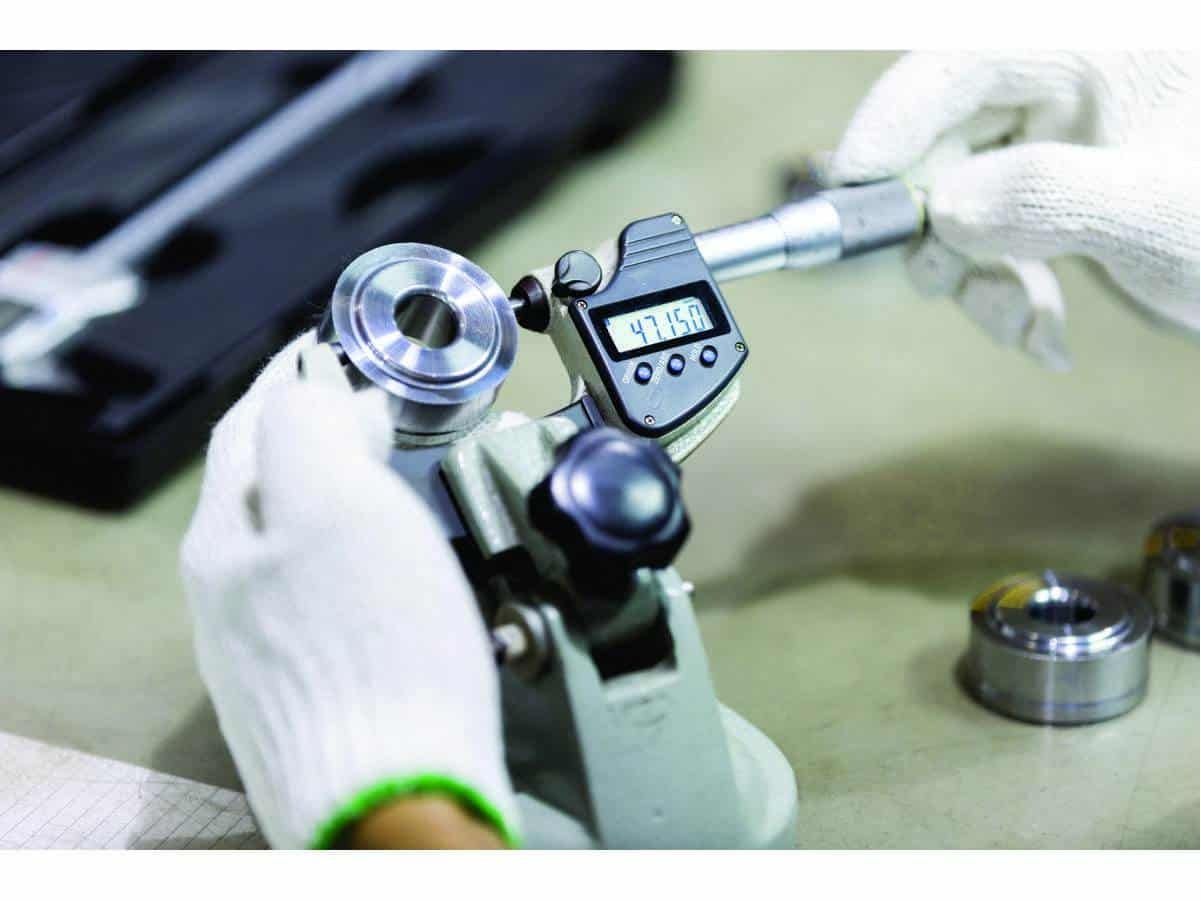
Digital calibration systems are not limited to one industry. They are used wherever accuracy, consistency, and documentation of measurement performance are required. Understanding their purpose helps explain why digital calibration is now a foundational part of modern measurement practices.
Why Precise Measurement and Calibration Matter
Precise measurement matters because decisions, safety, quality, and performance often depend on accurate data. When measurement tools drift from their intended accuracy, errors can accumulate silently and affect outcomes across processes.
This topic affects:
-
Manufacturing and quality control environments
-
Laboratories and research facilities
-
Engineering and technical operations
-
Healthcare and diagnostic settings
Common problems that digital calibration systems help address include:
-
Measurement drift over time
-
Inconsistent readings between instruments
-
Lack of traceable measurement records
-
Difficulty identifying sources of error
By applying digital calibration, organizations can ensure that instruments perform within defined limits. This supports confidence in data, reduces rework, and improves reliability across measurement-dependent activities.
How Digital Calibration Systems Work
Digital calibration systems compare the output of a measuring device with a reference standard that has known accuracy. The system records deviations and determines whether the device meets acceptable performance criteria.
Core steps typically include:
-
Applying a known reference signal or value
-
Measuring the device response digitally
-
Comparing results using software algorithms
-
Documenting deviations and adjustments
The table below summarizes key components involved.
| Component | Role in Calibration |
|---|---|
| Reference Standard | Provides known value |
| Digital Sensor | Captures measurement |
| Software Interface | Analyzes deviation |
| Data Records | Maintain traceability |
This structured approach reduces subjectivity and improves repeatability.
Developments in Digital Calibration Practices
Digital calibration practices continue to evolve alongside advances in sensors, data processing, and connectivity. One noticeable shift is the use of automated calibration routines, which reduce manual intervention and variability.
Another development is improved data integration. Calibration results are increasingly stored digitally, allowing trend analysis over time. This helps identify gradual performance changes before they affect operations.
There is also growing emphasis on remote and system-integrated calibration. Instruments connected to digital systems can be monitored continuously, supporting proactive accuracy management rather than periodic checks alone.
Role of Software in Digital Calibration Systems
Software plays a central role in modern calibration. It supports analysis, documentation, and consistency across measurements.
Key software functions include:
-
Automated comparison against reference values
-
Error calculation and tolerance checks
-
Digital record keeping and reporting
-
Trend analysis and performance tracking
The table below highlights software contributions.
| Software Function | Practical Benefit |
|---|---|
| Automation | Reduced human error |
| Documentation | Clear traceability |
| Analysis | Faster evaluation |
| Reporting | Consistent records |
Software transforms calibration from a manual task into a data-driven process.
Laws, Standards, and Policy Influence on Calibration
Digital calibration systems operate within frameworks defined by measurement standards, quality regulations, and technical policies. These frameworks ensure consistency and reliability across industries and regions.
Key regulatory and standards-related considerations include:
-
National and international measurement standards
-
Quality management system requirements
-
Documentation and traceability rules
-
Instrument verification guidelines
Government bodies and standards organizations define how measurements should be validated and recorded. Compliance with these rules helps ensure that calibrated instruments are recognized as reliable across organizations and borders.
Importance of Traceability in Digital Calibration
Traceability is a core principle of calibration. It means that measurement results can be linked back to recognized reference standards through documented steps.
Digital calibration systems support traceability by:
-
Automatically recording calibration data
-
Linking results to reference standards
-
Maintaining historical performance records
-
Supporting audits and reviews
Traceability ensures that measurements are not only accurate but also verifiable.
Applications of Digital Calibration Systems
Digital calibration systems are used across a wide range of applications due to their adaptability and precision.
Common application areas include:
-
Industrial process measurement
-
Laboratory instrumentation
-
Environmental monitoring equipment
-
Electrical and electronic testing
-
Medical and diagnostic devices
The table below shows how calibration supports different fields.
| Application Area | Calibration Purpose |
|---|---|
| Manufacturing | Process accuracy |
| Laboratories | Data reliability |
| Environmental Monitoring | Measurement consistency |
| Electronics | Signal accuracy |
These applications highlight the broad relevance of digital calibration.
Tools and Resources Supporting Digital Calibration
A variety of tools and resources support the use and understanding of digital calibration systems. These resources focus on accuracy, consistency, and documentation.
Common tools and resources include:
-
Digital reference instruments
-
Calibration management software
-
Measurement uncertainty calculators
-
Standard operating procedure templates
-
Performance tracking dashboards
The table below summarizes their roles.
| Tool Category | Purpose | Practical Benefit |
|---|---|---|
| Reference Instruments | Known accuracy | Reliable comparison |
| Management Software | Process control | Organized records |
| Uncertainty Calculators | Error estimation | Better decisions |
| SOP Templates | Consistency | Repeatable results |
These tools help translate calibration principles into practical workflows.
Measurement Uncertainty and Its Role
Measurement uncertainty describes the range within which the true value is expected to lie. Digital calibration systems help quantify and manage this uncertainty.
Key aspects include:
-
Identifying sources of variation
-
Quantifying error margins
-
Documenting confidence levels
Understanding uncertainty supports informed interpretation of measurement results rather than assuming absolute precision.
Benefits of Digital Over Manual Calibration
Digital calibration systems offer several advantages compared to manual approaches.
Key benefits include:
-
Improved repeatability
-
Reduced subjective judgment
-
Faster data analysis
-
Easier record maintenance
These benefits contribute to more consistent and scalable measurement practices.
Common Challenges in Digital Calibration
Despite their advantages, digital calibration systems also present challenges that require attention.
Common challenges include:
-
Dependence on software accuracy
-
Need for proper reference standards
-
Data management and storage discipline
-
Training requirements for correct use
Addressing these challenges ensures that digital calibration systems remain reliable.
Frequently Asked Questions
What is a digital calibration system?
It is a system that uses digital tools and reference standards to verify and adjust measurement accuracy.
Why is calibration necessary for measuring instruments?
Calibration ensures that instruments provide accurate and reliable measurements over time.
How often should digital calibration be performed?
The frequency depends on instrument use, criticality, and applicable standards.
What is traceability in calibration?
Traceability means measurement results can be linked to recognized reference standards through documented steps.
Does digital calibration eliminate measurement error?
No. It helps identify, quantify, and manage error but does not remove uncertainty entirely.
Concluding Overview
Digital calibration systems play a vital role in ensuring precise measurement across technical, scientific, and industrial environments. They exist to address the limitations of manual methods by providing structured, repeatable, and data-driven accuracy verification.
By understanding the context, importance, evolving practices, regulatory influence, tools, and common questions related to digital calibration systems, readers gain clear and practical knowledge of how precise measurement is maintained. This understanding supports better decision-making, improved reliability, and confidence in measurement results across diverse applications.