Because contact lenses rest directly on the eye, they interact closely with sensitive eye tissues. The surface of the eye relies on oxygen, moisture, and a clean environment to remain healthy. When contact lenses are not used, cleaned, or stored properly, they can disrupt this balance. This is where contact lens safety practices become important.
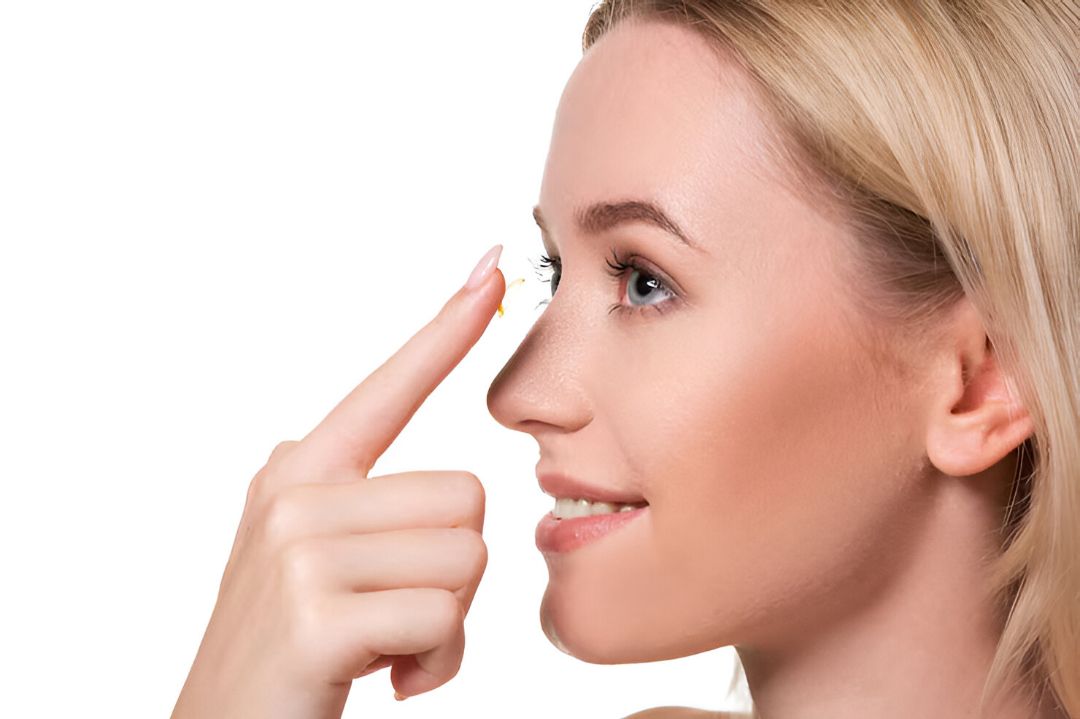
Contact lens safety exists to guide users on how to wear, clean, store, and replace lenses in ways that protect eye health. These practices were developed in response to cases of eye irritation, inflammation, and infections linked to improper lens handling. Over time, eye care professionals and health organizations created clear safety guidelines to help reduce these risks and promote comfortable lens use.
Importance – Why Contact Lens Safety Matters Today
Contact lens safety is especially important today due to the high number of users and modern lifestyle habits.
Helps Reduce Eye Infections
Proper hygiene and handling lower the risk of bacteria or microorganisms reaching the eye.
Minimizes Eye Irritation
Safe use reduces dryness, redness, and discomfort associated with improper lens wear.
Supports Long-Term Eye Health
Consistent safety practices help protect the eye surface over time.
Encourages Responsible Lens Use
Education helps users understand limits on wear time and replacement schedules.
Prevents Avoidable Vision Problems
Many contact lens–related issues are preventable with proper care.
Benefits a Wide Range of Users
Contact lens safety is relevant for:
-
Daily and occasional lens wearers
-
Students and office workers
-
Athletes and active individuals
-
First-time contact lens users
Addresses Common Contact Lens Issues
Safe practices help reduce:
-
Eye redness and soreness
-
Burning or itching sensations
-
Excessive tearing or dryness
-
Sensitivity to light
-
Repeated eye discomfort
As contact lens use continues to grow globally, awareness of safe usage remains essential.
Recent Updates – Trends and Developments in 2024–2025
Contact lens safety awareness has received increased attention over the past year.
Greater Focus on Hygiene Education (2024)
Health organizations expanded educational campaigns on proper lens care.
Rise in Daily Disposable Lens Usage
More users adopted single-use lenses to reduce cleaning-related risks.
Improved Contact Lens Materials
Manufacturers introduced materials that allow better oxygen flow to the eye.
Digital Eye Health Awareness
Eye care professionals highlighted the combined impact of screen time and lens wear.
Enhanced Packaging and Instructions
Clearer safety instructions were added to lens and solution packaging.
Use of Digital Reminders for Lens Care
Apps and reminders helped users track replacement schedules and wear time.
These updates reflect growing recognition that education and habits play a key role in eye comfort and safety.
Laws or Policies – Regulations Affecting Contact Lens Safety
Contact lens use and distribution are guided by health and consumer protection regulations.
Medical Device Regulations
Contact lenses are regulated as medical devices in many countries.
Prescription and Fitting Guidelines
Lenses must be prescribed and fitted by qualified eye care professionals.
Product Safety and Quality Standards
Materials and manufacturing processes must meet safety requirements.
Advertising and Consumer Protection Laws
Marketing must avoid misleading claims about lens safety or benefits.
Public Health Eye Care Policies
Many health authorities promote routine eye examinations for lens users.
These regulations help ensure that contact lenses are used safely and responsibly.
Tools and Resources – Helpful Support for Contact Lens Safety
Several tools and resources support safe contact lens use.
Useful Tools and Resources
| Tool / Resource | Purpose / Benefit |
|---|---|
| Contact Lens Cleaning Solutions | Help remove debris and microorganisms |
| Lens Storage Cases | Provide safe storage when not in use |
| Daily Replacement Schedules | Reduce contamination risk |
| Eye Care Professional Checkups | Monitor eye health |
| Lens Care Reminder Apps | Track wear and replacement times |
| Educational Eye Health Websites | Provide reliable safety information |
| Printed Care Guides | Explain proper handling steps |
| Hygiene Training Materials | Support first-time users |
These resources help users maintain consistent and safe contact lens habits.
FAQs – Clear and Factual Answers
Why is contact lens safety important?
Because contact lenses sit directly on the eye, improper use can increase the risk of irritation or infection.
Can eye infections be linked to poor lens hygiene?
Yes. Inadequate cleaning or handling can allow microorganisms to reach the eye.
Is sleeping in contact lenses safe?
This depends on the lens type and professional guidance. Many lenses are not designed for overnight wear.
How often should contact lenses be replaced?
Replacement schedules vary by lens type and should follow professional recommendations.
Do contact lens users still need regular eye exams?
Yes. Regular eye examinations help ensure lenses remain suitable and eyes stay healthy.
Final Thoughts
Contact lens safety plays a crucial role in reducing eye infections, irritation, and discomfort. While contact lenses offer convenience and vision correction benefits, they require responsible handling and consistent care. Awareness of hygiene, proper wear time, and regular eye checkups helps protect the sensitive surface of the eye. Recent improvements in materials, education, and digital support tools have strengthened safety practices. By following established guidelines and staying informed, contact lens users can support comfortable vision and long-term eye health. Disclaimer: The information provided in this article is for informational purposes only. We do not make any claims or guarantees regarding the accuracy, reliability, or completeness of the information presented. The content is not intended as professional advice and should not be relied upon as such. Readers are encouraged to conduct their own research and consult with appropriate professionals before making any decisions based on the information provided in this article.