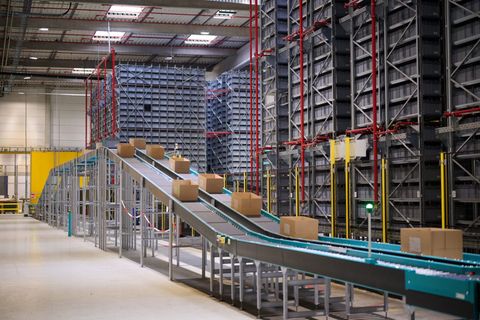
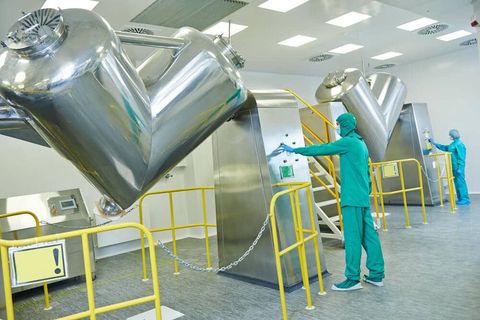
In the past, battery manufacturing relied more heavily on manual processes and basic automation. While this approach worked for lower volumes, it introduced variability in material handling, coating thickness, alignment, and sealing. Even small deviations could lead to internal defects, reduced battery performance, safety risks, or shortened lifespan. High scrap rates and material losses were common challenges.
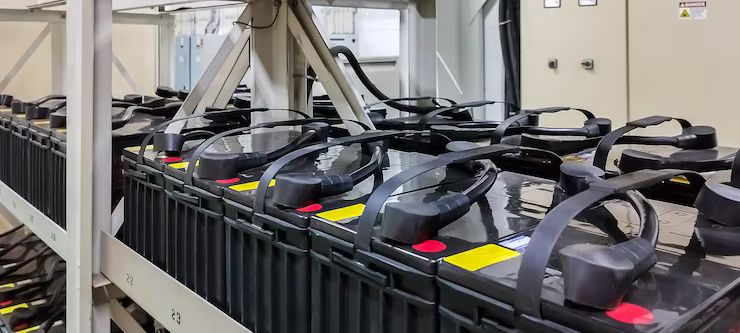
Battery production machines were developed to address these issues. By automating critical steps and tightly controlling process parameters, these machines help ensure consistent quality across large production volumes. As demand for batteries grew—especially for electric vehicles, consumer electronics, and renewable energy storage—the role of advanced battery production equipment became increasingly important.
Importance – Why Battery Production Machines Matter Today
Battery production machines play a crucial role in improving quality, efficiency, and sustainability in battery manufacturing.
Reduces Manufacturing Defects
Automated control over coating, alignment, and sealing reduces variability that can cause defects.
Minimizes Material Waste
Precise dosing and handling reduce losses of expensive raw materials such as active materials and electrolytes.
Improves Product Consistency
Uniform processes help ensure that every battery meets the same performance standards.
Enhances Safety
Reduced defects lower the risk of internal short circuits, leaks, or thermal issues.
Supports High-Volume Production
Machines enable large-scale manufacturing while maintaining quality control.
Benefits Multiple Stakeholders
Battery production machines support:
-
Battery manufacturers
-
Quality assurance teams
-
Production engineers
-
Automotive and electronics industries
Solves Common Battery Manufacturing Challenges
Effective battery production systems help address:
-
Uneven electrode coating
-
Misaligned cell components
-
Electrolyte leakage
-
High rejection and scrap rates
-
Inconsistent battery performance
As batteries become central to energy transition efforts, reliable production is essential.
Recent Updates – Trends and Developments in 2024–2025
Battery production technology has advanced rapidly over the past year, driven by demand growth and quality expectations.
Greater Automation Across Production Lines (2024)
Manufacturers increased automation in coating, stacking, and inspection stages to reduce human error.
Advanced Inline Quality Inspection
Vision systems and sensors were integrated to detect defects during production rather than after completion.
Improved Electrode Coating Precision
New coating machines achieved tighter control over thickness and uniformity.
Data-Driven Process Optimization
Production data was increasingly analyzed to identify patterns leading to defects or waste.
Adaptation for New Battery Chemistries
Machines were modified to handle different materials used in emerging battery types.
Focus on Waste Reduction and Recycling
Manufacturers introduced processes to reclaim unused materials and reduce scrap.
These updates reflect a shift toward smarter, cleaner, and more efficient battery manufacturing.
Laws or Policies – Regulations Affecting Battery Production
Battery production machines operate within regulatory frameworks related to safety, environment, and quality.
Manufacturing Safety Regulations
Equipment must protect workers from chemical exposure, heat, and mechanical hazards.
Environmental Protection Policies
Waste materials and emissions must be managed responsibly to reduce environmental impact.
Battery Quality and Performance Standards
Batteries must meet defined safety and performance benchmarks before market release.
Hazardous Material Handling Rules
Electrolytes and active materials require controlled storage and handling.
Government Support for Clean Energy Manufacturing
Many countries offer incentives for efficient and sustainable battery production.
Compliance with these policies supports safe, lawful, and responsible manufacturing operations.
Tools and Resources – Helpful Support for Battery Production Quality
Several tools and resources help improve defect reduction and waste control in battery manufacturing.
Useful Tools and Resources
| Tool / Resource | Purpose / Benefit |
|---|---|
| Electrode Coating Machines | Ensure uniform material application |
| Cell Stacking or Winding Machines | Maintain alignment accuracy |
| Inline Vision Inspection Systems | Detect defects early |
| Electrolyte Filling Systems | Control precise liquid dosing |
| Formation and Testing Equipment | Verify battery performance |
| Manufacturing Execution Systems (MES) | Track production data |
| Calibration Tools | Maintain machine accuracy |
| Process Control Dashboards | Monitor defect and waste levels |
These tools help maintain consistency and reduce losses throughout production.
FAQs – Clear and Factual Answers
What are battery production machines?
They are automated systems used to manufacture batteries with consistent quality and accuracy.
How do battery production machines reduce defects?
They control critical parameters such as coating thickness, alignment, and sealing.
Do battery production machines reduce material waste?
Yes. Precise handling and monitoring minimize unused or rejected materials.
Are these machines used only for lithium-ion batteries?
No. They are used for various battery types with appropriate adaptations.
Do battery production machines replace human workers?
They support workers by automating complex tasks while operators oversee and manage processes.
Final Thoughts
Battery production machines are essential for reducing defects and minimizing waste in modern battery manufacturing. As batteries play a growing role in transportation, energy storage, and electronics, the need for consistent quality and efficient production continues to increase. Recent advancements in automation, inspection, and data analysis have significantly improved manufacturing outcomes. When combined with proper regulatory compliance, maintenance, and skilled oversight, battery production machines support safer products, lower material losses, and more sustainable manufacturing practices.