Learn About Lifting Equipment: Facts, Uses and Safety Tips
Lifting equipment plays an essential role in construction, manufacturing, logistics, warehousing, shipping, and many other industries.
It helps move, raise, lower, and position heavy materials more safely and efficiently than manual handling alone. Understanding how lifting equipment works is important for both workplace safety and operational efficiency.
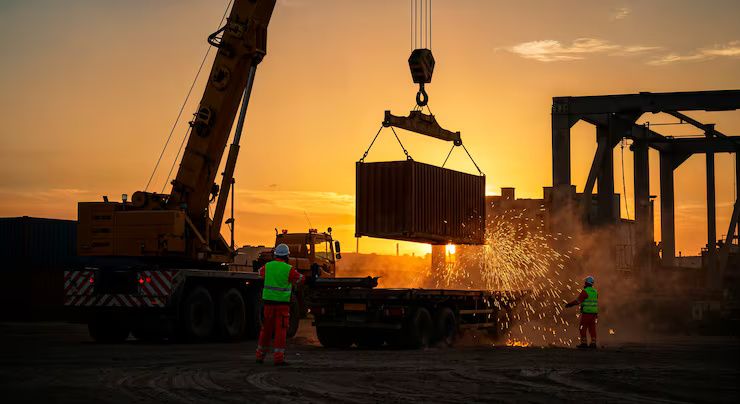
From cranes and hoists to slings and lifting beams, different types of lifting equipment are designed for specific tasks. Learning the basics, proper usage, and safety practices helps reduce workplace risks while improving productivity and compliance with established regulations.
Context
Lifting equipment refers to machinery, devices, and accessories designed to raise, lower, support, or move heavy loads. These tools are widely used wherever materials are too heavy or difficult to handle manually.
The history of lifting equipment dates back to simple pulley systems used in ancient civilizations. Modern technology has significantly improved lifting systems through hydraulic mechanisms, electric motors, digital controls, and advanced monitoring features.
The primary purpose of lifting equipment is to:
- Reduce manual handling risks
- Improve workplace efficiency
- Support safe transportation of heavy loads
- Protect workers and materials
- Meet industry safety requirements
Common examples include:
| Equipment Type | Primary Use | Typical Industries |
|---|---|---|
| Crane | Lifting large and heavy loads | Construction, Ports |
| Hoist | Vertical lifting | Manufacturing, Warehouses |
| Forklift | Moving palletized materials | Logistics, Distribution |
| Chain Block | Manual lifting | Workshops, Maintenance |
| Lifting Sling | Connecting loads to lifting devices | Industrial Operations |
| Lifting Beam | Distributing load weight evenly | Heavy Engineering |
Types of Lifting Equipment
Several categories of lifting equipment are commonly used:
- Mobile cranes
- Tower cranes
- Overhead cranes
- Electric hoists
- Manual hoists
- Hydraulic jacks
- Forklifts
- Winches
- Vacuum lifting devices
- Chain slings
- Wire rope slings
- Synthetic web slings
Each type is selected according to load weight, lifting height, work environment, and operational requirements.
Importance
Lifting equipment supports many industries by making heavy lifting safer and more efficient. Without suitable lifting systems, many construction, manufacturing, and transportation activities would become slower and involve greater physical risk.
Proper lifting equipment benefits organizations by:
- Improving workplace safety
- Reducing manual handling injuries
- Increasing operational efficiency
- Supporting accurate load positioning
- Minimizing equipment damage
- Improving workflow consistency
Workers also benefit from understanding safe operating practices. Training helps operators recognize hazards, inspect equipment before use, and avoid unsafe lifting situations.
Industries commonly using lifting equipment include:
- Construction
- Manufacturing
- Mining
- Warehousing
- Shipping
- Oil and gas
- Renewable energy
- Agriculture
- Aviation
- Rail transportation
Basic Safety Tips
Following basic safety practices helps reduce accidents during lifting operations.
- Inspect equipment before every use.
- Verify the load weight before lifting.
- Never exceed the rated capacity.
- Use appropriate lifting accessories.
- Keep people away from suspended loads.
- Follow manufacturer instructions.
- Maintain clear communication among workers.
- Perform routine inspections and maintenance.
- Replace damaged lifting accessories promptly.
- Wear suitable personal protective equipment.
Proper planning is equally important. Every lift should consider load stability, environmental conditions, lifting path, and emergency procedures.
Recent Updates
Between 2024 and 2026, lifting equipment technology has continued to evolve with stronger emphasis on safety, efficiency, and digital monitoring.
Several important developments include:
- Increased use of smart sensors that monitor load weight and equipment performance.
- Remote monitoring systems allowing maintenance teams to review equipment status.
- Improved battery-powered lifting equipment for indoor operations.
- Enhanced overload protection systems.
- Greater use of predictive maintenance software.
- Digital inspection records replacing paper documentation.
- Integration of Internet of Things (IoT) technology for equipment monitoring.
- Better operator assistance systems that improve lifting precision.
Many organizations are also adopting sustainability initiatives by selecting energy-efficient lifting systems and extending equipment life through preventive maintenance programs.
Training methods have also improved through virtual reality simulations and digital learning platforms, allowing operators to practice lifting procedures in controlled environments before working on actual sites.
Laws or Policies
Safe use of lifting equipment is supported by workplace safety regulations in many countries. Although requirements differ by region, several common principles apply internationally.
Typical regulatory requirements include:
- Regular equipment inspection
- Scheduled maintenance
- Operator training
- Safe working load identification
- Load testing where required
- Risk assessments before lifting activities
- Proper documentation of inspections
- Immediate removal of damaged equipment from operation
International standards often referenced include guidance developed by organizations such as ISO, OSHA, and national workplace safety authorities.
Organizations should also develop internal lifting procedures covering:
- Equipment selection
- Inspection schedules
- Emergency response
- Safe lifting techniques
- Reporting damaged equipment
- Competency requirements for operators
Following established regulations helps improve workplace safety while supporting compliance with occupational health and safety expectations.
Tools and Resources
Various digital resources help organizations improve lifting equipment management, inspection planning, and operator knowledge.
Useful resources include:
- Workplace safety authority guidance documents
- Equipment inspection checklists
- Load calculation worksheets
- Maintenance scheduling software
- Operator training platforms
- Manufacturer technical manuals
- Digital inspection applications
- Risk assessment templates
Some organizations also use digital fleet management platforms to monitor lifting equipment usage, maintenance intervals, inspection history, and equipment availability.
Helpful resources may include:
| Resource | Purpose |
|---|---|
| Inspection Checklist | Verify equipment condition before operation |
| Load Calculation Tool | Estimate safe lifting requirements |
| Risk Assessment Template | Identify workplace hazards |
| Maintenance Schedule | Track inspection intervals |
| Operator Manual | Understand equipment operation |
| Safety Training Platform | Improve operator knowledge |
Selecting appropriate resources helps improve consistency, documentation, and workplace safety practices.
FAQs
What is lifting equipment?
Lifting equipment includes machines, devices, and accessories used to raise, lower, move, or support heavy materials safely in industrial and commercial environments.
Why is lifting equipment important?
It helps reduce manual handling injuries, improves efficiency, increases workplace safety, and supports accurate movement of heavy loads.
How often should lifting equipment be inspected?
Inspection frequency depends on equipment type, usage, manufacturer recommendations, and applicable regulations. Daily visual checks and periodic detailed inspections are commonly recommended.
What are common lifting hazards?
Common hazards include overloaded equipment, damaged lifting accessories, unstable loads, poor communication, inadequate training, and improper equipment selection.
Who should operate lifting equipment?
Only trained and competent individuals should operate lifting equipment while following workplace procedures and applicable safety regulations.
Conclusion
Lifting equipment remains an essential part of modern industry by supporting the safe handling of heavy materials across construction, manufacturing, logistics, and many other sectors. Understanding equipment types, safe operating practices, and inspection requirements helps reduce workplace risks.
Technological improvements between 2024 and 2026 continue to make lifting operations smarter through digital monitoring, predictive maintenance, and enhanced safety systems. These developments support better operational efficiency while encouraging safer working environments.
Following established regulations, conducting regular inspections, and using appropriate lifting methods are fundamental practices for responsible equipment operation. Continuous learning and proper planning contribute to safer and more effective lifting activities across a wide range of industries.

Related Post...
Confectionery Equipment Guide: Explore Types, Uses, Processes, and Modern Technology
Updated: September 22, 2026
Read More
Semiconductor Manufacturing Equipment Explore Guide to Modern Chip Production Technology
Updated: October 21, 2026
Read More
Industrial Vacuum Pumps: Explore Working Principles, Designs, and Industry Uses
Updated: September 22, 2026
Read More