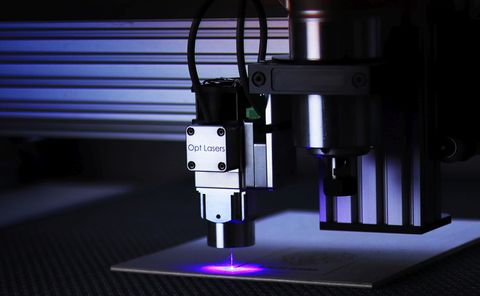
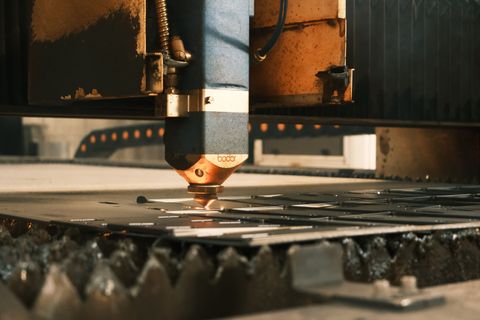
Laser Cutting Machine Explained: Discover Technology, Working Principles, and Industrial Applications
Laser cutting is an advanced manufacturing process that uses a concentrated beam of light to cut, shape, or engrave different materials with high precision. It is widely used in modern industries because it can produce detailed designs, consistent dimensions, and clean edges across a variety of manufacturing applications.
Traditional cutting methods often depend on mechanical tools that physically contact the material. Laser cutting works differently. It directs a focused laser beam onto a specific point, generating enough heat to melt, burn, or vaporise the material. An assist gas may then remove molten material from the cutting area, helping create a clean cut.
A laser cutting machine combines optical components, motion systems, software, and control technology to perform these operations. Depending on its design, it can process materials such as stainless steel, carbon steel, aluminium, brass, plastics, wood, and certain non-metallic materials.
Industrial laser cutting machines are particularly important in sectors where accuracy, repeatability, and production efficiency are essential. From automotive components and electrical enclosures to architectural designs and industrial equipment, laser technology has become an important part of modern manufacturing.
Importance of Laser Cutting Machines in Modern Industries
Manufacturing industries require equipment that can produce accurate components while maintaining consistent quality. Laser cutting machines help meet these requirements by combining focused energy with computer-controlled movement.
Precision and accuracy: A focused laser beam can create detailed shapes and narrow cutting paths. This is useful when producing components with complex dimensions and intricate patterns.
Consistent production: CNC-controlled systems follow programmed instructions, helping manufacturers maintain repeatable cutting results across multiple components.
Reduced mechanical contact: Since the laser beam performs the cutting operation without a conventional cutting blade touching the material, mechanical tool wear associated with traditional cutting can be reduced.
Design flexibility: Laser cutting systems can process straight lines, curves, holes, slots, and complex patterns. Design changes can often be made through software without manufacturing a new physical cutting tool.
Material utilisation: Carefully arranged cutting patterns, known as nesting, can help reduce unused sheet material and improve material utilisation.
Automation: Modern machines can integrate automated loading, unloading, material handling, and production monitoring systems.
These capabilities make laser cutting technology relevant to both small manufacturing units and large industrial production facilities.
Types of Laser Cutting Machines
Laser cutting machines are available in different configurations depending on the laser source, material requirements, cutting thickness, and production environment. Understanding these types helps manufacturers identify suitable equipment for specific industrial applications.
1. Fiber Laser Cutting Machine
A fiber laser cutting machine uses optical fibers to generate and deliver a concentrated laser beam. It is widely used for processing metals because of its efficiency, precision, and ability to cut reflective materials when appropriately configured.
Key characteristics:
Suitable for stainless steel, carbon steel, aluminium, brass, and copper.
High cutting precision for many sheet metal applications.
Efficient energy conversion compared with many traditional laser technologies.
Relatively low routine maintenance requirements in many configurations.
Available in different power ratings for various material thicknesses.
Fiber laser technology is particularly common in automotive manufacturing, metal fabrication, electrical equipment production, and industrial component manufacturing.
2. CO₂ Laser Cutting Machine
A CO₂ laser cutting machine generates its laser beam using a gas mixture that primarily contains carbon dioxide. This technology is commonly used for cutting and engraving non-metallic materials.
Key characteristics:
Suitable for wood, acrylic, leather, fabric, paper, and selected plastics.
Can produce detailed decorative patterns.
Useful for engraving and cutting applications.
Requires optical components and maintenance according to its design.
Can process certain thin metallic materials with appropriate machine configurations.
CO₂ systems are frequently used in signage, furniture, packaging, textile, and decorative manufacturing.
3. CNC Laser Cutting Machine
A CNC laser cutting machine combines laser technology with computer numerical control. The machine follows programmed instructions to control the cutting head, movement, speed, and cutting path.
Key characteristics:
Computer-controlled cutting operations.
Repeatable production of programmed designs.
Suitable for complex geometrical patterns.
Integration with CAD and CAM software.
Reduced dependence on manual cutting movements.
CNC laser cutting systems are useful when manufacturers need consistent results across multiple components or production batches.
4. Sheet Metal Laser Cutting Machine
A sheet metal laser cutting machine is designed to process flat metal sheets into components with specific shapes and dimensions. It is commonly used in fabrication facilities and industrial production environments.
Key characteristics:
Designed for flat sheet processing.
Supports different sheet dimensions and thicknesses.
Can create holes, slots, profiles, and intricate patterns.
Often integrates automatic sheet handling.
Available with fiber laser and other suitable laser technologies.
These machines are widely used for manufacturing metal cabinets, electrical panels, automotive components, brackets, and machine enclosures.
5. Tube and Pipe Laser Cutting Machine
Tube and pipe laser cutting machines are designed to process hollow and cylindrical metal sections. They can cut different profiles, including round, square, rectangular, and selected custom-shaped tubes.
Key characteristics:
Specialised clamping and rotation systems.
Accurate cutting of tube profiles.
Ability to create holes and joints.
Suitable for structural metal components.
CNC-controlled movement and positioning.
They are commonly used in furniture manufacturing, automotive structures, construction equipment, and industrial frameworks.
Working Principle of a Laser Cutting Machine
Laser cutting works through the controlled application of concentrated light energy. The machine directs a high-energy beam onto a material surface, creating heat that removes material along a programmed path.
The exact process depends on the laser source, material type, thickness, cutting parameters, and assist gas.
Step 1: Design preparation
The component design is created using computer-aided design software. It includes the required dimensions, shapes, holes, and cutting paths.
Step 2: File conversion and programming
The design is prepared for machine operation using computer-aided manufacturing software. The software translates the design into instructions that the CNC controller can understand.
Step 3: Material positioning
The sheet, plate, or workpiece is placed on the machine bed. Depending on the equipment, operators may position the material manually or use an automated loading system.
Step 4: Laser beam generation
The laser source generates a concentrated beam of light. Optical components guide and focus the beam toward the material surface.
Step 5: Material heating and removal
The focused beam generates intense heat at the cutting point. The material melts, burns, or vaporises depending on the cutting method and material properties.
Step 6: Assist gas application
A gas such as oxygen, nitrogen, or compressed air may be directed toward the cutting area. It helps remove molten material and influences the cutting quality.
Step 7: CNC movement
The cutting head or worktable moves according to the programmed path. The controller coordinates movement and cutting parameters to produce the required shape.
Step 8: Component inspection
After cutting, the finished component is inspected for dimensions, edge quality, surface condition, and other required specifications.
Main Components of an Industrial Laser Cutting Machine
An industrial laser cutting machine consists of several connected systems. Each component contributes to the accuracy, stability, and performance of the equipment.
Component | Primary Function |
|---|---|
Laser source | Generates the laser beam |
Cutting head | Directs and focuses the beam |
Optical system | Guides the laser energy |
CNC controller | Controls machine movement and operations |
Machine bed | Supports the workpiece |
Motion system | Moves the cutting head or worktable |
Assist gas system | Helps remove material during cutting |
Cooling system | Maintains suitable operating temperatures |
Exhaust system | Removes fumes and airborne particles |
Software | Prepares designs and cutting instructions |
The performance of the overall machine depends on how effectively these components work together.
Industrial Applications of Laser Cutting Machines
Laser cutting technology is used across multiple industries because it can process complex designs with controlled dimensions and repeatable results.
1. Automotive Industry
The automotive industry uses laser cutting machines to produce metal components and structural parts.
Common applications include:
Vehicle body components.
Metal brackets and supports.
Chassis-related parts.
Interior metal components.
Precision holes and profiles.
The technology helps manufacturers produce components with consistent dimensions for different vehicle models.
2. Aerospace Industry
Aerospace manufacturing requires strict dimensional accuracy and careful material processing. Laser cutting can be used for selected metal components and specialised sheet materials.
Applications include aircraft interior components, structural sheet parts, brackets, and precision metal profiles. Material selection and process qualification are especially important in this industry.
3. Construction and Infrastructure
Construction-related manufacturing uses laser cutting for metal structures and building components.
Examples include:
Steel brackets.
Structural connectors.
Metal panels.
Architectural patterns.
Support frames.
Decorative metal screens.
Laser cutting can help produce detailed shapes used in architectural and industrial construction projects.
4. Electronics and Electrical Equipment
Electrical and electronics manufacturers use laser cutting to produce accurately shaped metal components.
Common applications include:
Electrical control panels.
Equipment enclosures.
Metal housings.
Mounting brackets.
Ventilation openings.
Precision sheet metal parts.
The process is useful for producing components that require accurate holes, slots, and cutout patterns.
5. Medical Equipment Manufacturing
Laser cutting can be used for selected medical equipment components where precise material processing is required.
Applications may include specialised metal enclosures, equipment panels, precision components, and selected stainless steel parts. Medical manufacturing also requires strict material traceability, cleaning, validation, and quality control.
6. Furniture and Interior Design
Laser cutting machines are used to create decorative and functional components for furniture and interior spaces.
Examples include metal furniture frames, decorative screens, shelving components, lighting structures, and customised metal patterns.
7. Industrial Machinery Manufacturing
Industrial CNC cutting machines support the production of components used in machinery and equipment.
They can process machine covers, panels, mounting plates, brackets, guards, and other fabricated parts. Accurate cutting helps components fit together during assembly.
Advantages of Industrial Laser Cutting Machines
Laser cutting technology provides several advantages when the machine and process are correctly matched to the material and production requirements.
High precision: Focused laser energy and CNC movement allow manufacturers to produce detailed shapes and accurate dimensions.
Complex design processing: Laser systems can follow intricate programmed cutting paths without requiring a separate physical cutting tool for every design.
Repeatability: CNC controls help reproduce the same programmed design across multiple components.
Reduced tool contact: The laser performs the cutting operation without a conventional cutting blade pressing against the workpiece.
Production flexibility: Design files can be modified to accommodate different component shapes and dimensions.
Automation compatibility: Industrial systems can be integrated with loading, unloading, sorting, and production monitoring equipment.
Material utilisation: Nesting software can arrange multiple components on a sheet to help reduce unused material.
However, actual performance depends on machine configuration, material quality, operator skills, process settings, and maintenance.
Factors to Consider When Selecting a Laser Cutting Machine
Choosing an appropriate machine requires a clear understanding of production requirements. A machine designed for thin sheet metal may not be suitable for thick industrial plates or tube processing.
1. Material type: Identify whether the machine will process stainless steel, carbon steel, aluminium, copper, acrylic, wood, or other materials. Not every laser source is suitable for every material.
2. Material thickness: Determine the minimum and maximum thicknesses required. Cutting capacity varies according to laser power, material composition, and machine specifications.
3. Laser power: Laser power influences processing capability and potential cutting speed. Higher power is not automatically the best choice for every application.
4. Cutting area: Select a machine bed size that accommodates the dimensions of the materials and components used in production.
5. CNC capabilities: Evaluate controller features, software compatibility, positioning accuracy, and ease of programming.
6. Automation requirements: Consider whether automatic loading, unloading, material storage, or robotic handling is necessary.
7. Safety systems: Check protective enclosures, interlocks, emergency stops, ventilation, and laser safety arrangements.
8. Technical support and maintenance: Review documentation, operator training, spare-part availability, and maintenance requirements associated with the equipment.
Laser Cutting Machine Manufacturer and Supplier: What to Evaluate
When comparing a laser cutting machine manufacturer or supplier, businesses should examine technical capabilities and equipment specifications carefully.
Important evaluation points include:
Experience with the required laser technology.
Machine specifications and verified cutting capacity.
Technical documentation and operating instructions.
Installation and operator training arrangements.
Warranty terms and maintenance guidance.
Availability of compatible components.
Safety certifications and applicable compliance information.
Demonstration results using the intended material.
Manufacturers and suppliers should provide clear technical details rather than relying only on general performance claims. A practical cutting demonstration using the actual material and thickness can help evaluate whether a machine meets production requirements.
Laser Cutting vs Traditional Cutting Methods
Laser cutting is one of several technologies used in industrial material processing. Mechanical cutting, plasma cutting, and waterjet cutting also have important roles.
Feature | Laser Cutting | Plasma Cutting | Waterjet Cutting |
|---|---|---|---|
Cutting method | Focused laser energy | Ionised gas and heat | High-pressure water stream |
Typical applications | Sheet metal and selected other materials | Electrically conductive metals | Metals and selected non-metallic materials |
Heat involvement | High | High | No heat-based cutting |
Precision | Often high | Depends on system and material | Often high |
Material range | Depends on laser source | Primarily conductive metals | Broad material range |
Edge characteristics | Often clean and narrow | May require additional finishing | No heat-affected zone |
The most suitable method depends on material thickness, required precision, production volume, edge quality, and operational requirements.
Maintenance Tips for Laser Cutting Machines
Regular maintenance helps maintain machine performance and reduce unexpected interruptions.
Clean optical components: Follow manufacturer instructions for inspecting and maintaining lenses, protective windows, and other optical parts.
Inspect the cutting head: Check the nozzle, alignment, and related components according to the recommended maintenance schedule.
Maintain the cooling system: Monitor coolant condition, temperature, filters, and circulation to help protect sensitive equipment.
Check mechanical components: Inspect guide rails, bearings, belts, and motion systems for wear or contamination.
Monitor assist gas quality: Use gas with the purity and pressure recommended for the selected material and cutting process.
Clean the machine bed: Remove accumulated scrap and debris while following safe shutdown procedures.
Review software and controls: Keep machine parameters, backup files, and control systems maintained according to manufacturer instructions.
Maintain maintenance records: Document inspections, replacement parts, faults, and servicing activities.
Maintenance should always follow the machine manufacturer's technical guidance. Optical systems and laser sources may require specialised handling by trained personnel.
Laser Cutting Machine Safety Measures
Laser cutting machines involve high-energy laser radiation, electrical equipment, heat, moving mechanical parts, and potentially hazardous fumes. Appropriate safety controls are essential in industrial environments.
Important precautions include:
Use machines with appropriate protective enclosures and interlocks.
Follow the laser classification and safety instructions supplied by the manufacturer.
Use suitable laser protective eyewear when required by the documented safety procedure.
Ensure effective extraction and filtration for process fumes.
Keep flammable materials away from the cutting area.
Train operators in emergency shutdown and operating procedures.
Inspect electrical connections and cooling arrangements.
Avoid bypassing protective interlocks.
Follow safe procedures when removing scrap or maintaining equipment.
Use appropriate fire detection and emergency arrangements.
Different materials can generate different fumes and hazards. For example, certain plastics and coated materials may release dangerous substances when heated. Operators should verify material composition before processing it.
Recent Developments and Trends in Laser Cutting Technology (2025–2026)
Laser cutting technology continues to develop as manufacturers seek improved automation, process monitoring, material efficiency, and production flexibility.
Higher-power fiber laser systems: Industrial equipment continues to expand its range of available laser power options. These systems are designed for different sheet and plate processing requirements.
AI-assisted process monitoring: Intelligent monitoring technologies are increasingly being explored to identify cutting irregularities, support parameter adjustments, and improve process consistency.
Automated material handling: Loading towers, robotic systems, and automated sorting equipment are helping integrate laser cutting into connected production environments.
Smart manufacturing integration: CNC machines can connect with production management systems to monitor machine status, production activity, and maintenance requirements.
Improved cutting software: Modern CAD and CAM systems support nesting, automated programming, and production planning.
Energy efficiency: Manufacturers are focusing on laser source efficiency, cooling arrangements, and improved machine operation to manage industrial energy consumption.
These developments represent broader technology trends. Actual features and capabilities vary across machine models and manufacturers.
Laws, Standards, and Industrial Safety Considerations in India
Industrial laser cutting operations in India must consider applicable workplace safety, electrical safety, environmental, and product compliance requirements.
Factories Act, 1948 and applicable occupational safety legislation: Industrial establishments must follow the workplace safety and health requirements applicable to their operations. Businesses should verify the current legal framework and implementation status of relevant occupational safety provisions.
Bureau of Indian Standards (BIS): Relevant Indian Standards may apply to electrical equipment, machinery safety, and other industrial components. The applicable standards depend on the equipment category and regulatory requirements.
Electrical safety requirements: Industrial laser cutting machines should be installed and operated with suitable electrical protection, grounding, isolation, and emergency arrangements.
Environmental requirements: Fume extraction, air pollution control, and industrial waste handling should follow applicable central and state environmental regulations.
Fire safety: Facilities should maintain suitable fire prevention measures, emergency access, and equipment based on their risk assessment and local requirements.
Laser safety standards: International standards such as IEC 60825-1 provide guidance on laser product classification and safety. Their applicability should be assessed alongside Indian regulatory requirements.
Businesses should consult qualified safety professionals and relevant authorities to determine which requirements apply to their facility, machine, and manufacturing activities.
Frequently Asked Questions (FAQs)
1. What is an industrial laser cutting machine?
An industrial laser cutting machine is equipment that uses a focused laser beam to cut or shape materials. It is commonly used in metal fabrication, automotive manufacturing, electronics, construction, and machinery production.
2. How does a fiber laser cutting machine work?
A fiber laser cutting machine generates a laser beam through an optical fiber system. The beam is focused onto the material, producing heat that melts or removes material along a programmed cutting path.
3. What is the difference between a CNC laser cutting machine and a conventional laser cutter?
A CNC laser cutting machine uses computer numerical control to manage cutting paths and machine movement. It follows programmed instructions, making it suitable for repeatable and complex production operations.
4. Which materials can a metal laser cutting machine process?
Depending on its laser source and configuration, a metal laser cutting machine can process materials such as stainless steel, carbon steel, aluminium, brass, and copper. Material thickness and cutting quality depend on the machine specifications.
5. What is a sheet metal laser cutting machine used for?
It is used to cut flat metal sheets into specific shapes and components. Common applications include electrical enclosures, brackets, panels, machine covers, and automotive parts.
6. What factors affect laser cutting accuracy?
Laser power, focus position, material thickness, cutting speed, assist gas, machine calibration, material quality, and CNC movement can all influence cutting accuracy.
7. How often does a laser cutting machine require maintenance?
Maintenance frequency depends on machine design, operating hours, material type, and manufacturer recommendations. Regular inspections of optical components, cooling systems, nozzles, and motion systems are important.
8. Is a fiber laser cutting machine suitable for all materials?
No. Fiber laser systems are particularly common for metal processing, but they are not suitable for every material. Material compatibility should be checked with the machine manufacturer before processing.
Conclusion
Laser cutting technology has become an important part of modern industrial manufacturing. By combining focused laser energy, CNC control, optical systems, and automated movement, these machines can produce precise components for a wide range of applications.
Different technologies serve different requirements. Fiber laser cutting machines are widely used for metal fabrication, CO₂ systems are common in non-metallic material processing, and CNC laser cutting machines support programmed and repeatable production.
Selecting the right industrial laser cutting machine requires careful evaluation of material type, thickness, laser power, cutting area, automation, safety, and maintenance requirements. Understanding these factors helps manufacturers identify equipment that matches their production needs.
As manufacturing continues to adopt automation, intelligent monitoring, and advanced laser technology, laser cutting machines are expected to remain an important part of industrial production and precision fabrication.

Related Post...

PPC vs SEO Marketing: A Beginner's Guide to Understanding Benefits, Techniques, and Key Details
Updated: November 23, 2026
Read More
Belgian Diamond Rings Overview: Discover Unique Designs, Diamond Quality, and Expert Insights
Updated: November 23, 2026
Read More
Face Trimmer Overview: Discover Different Types, Uses, and Helpful Grooming Advice
Updated: November 23, 2026
Read More