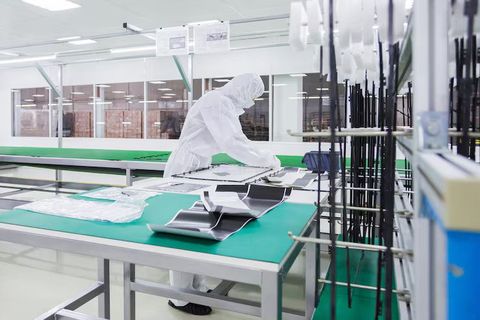
The origins of laboratory furniture manufacturing can be traced back to early scientific research spaces, where simple wooden tables and shelves were used. Over time, the need for durability, chemical resistance, and ergonomic design led to the development of more advanced materials and construction methods. Today, laboratory furniture is engineered to meet strict functional and safety requirements.
This field exists because laboratories handle chemicals, biological samples, and equipment that require stable and secure environments. Proper furniture design helps prevent contamination, accidents, and damage to equipment. As research and technology continue to grow, laboratory furniture manufacturing has become more specialized and standardized.
Importance
Laboratory furniture manufacturing plays a key role in ensuring safe and efficient work environments. It affects a wide range of users, including students, researchers, healthcare workers, and industrial technicians. Poorly designed furniture can lead to accidents, exposure to harmful substances, and inefficient workflows.
One major challenge addressed by laboratory furniture is chemical resistance. Many laboratory processes involve acids, solvents, and other reactive substances. Furniture surfaces must withstand these materials without degrading. Another challenge is ergonomics, as users often work long hours and need comfortable, adjustable setups to reduce physical strain.
Safety is another critical factor. Proper storage cabinets help contain hazardous materials, while fume hoods remove harmful vapors from the air. Additionally, well-designed layouts improve movement within the lab, reducing the risk of collisions or spills.
Laboratory furniture manufacturing also supports compliance with safety standards and regulations. This ensures that laboratories operate within accepted guidelines, protecting both people and the environment.
Recent Updates
Recent developments in laboratory furniture manufacturing show a shift toward modular and flexible designs. Laboratories are increasingly using furniture systems that can be rearranged or expanded as needs change. This approach supports evolving research activities without requiring major structural changes.
Sustainable materials have also gained attention. Manufacturers are exploring eco-friendly options such as recycled metals and low-emission laminates. These materials help reduce environmental impact while maintaining performance standards.
Digital integration is another emerging trend. Some laboratory furniture now includes built-in cable management systems, power outlets, and data connectivity features. This supports the use of modern equipment and improves organization.
There is also a growing focus on hygiene and contamination control. Smooth, non-porous surfaces and seamless construction methods are being used to minimize areas where bacteria or chemicals can accumulate. These updates reflect broader concerns about safety and cleanliness in laboratory environments.
Laws or Policies
Laboratory furniture manufacturing is influenced by various regulations and standards that ensure safety and quality. In India, guidelines from organizations such as the Bureau of Indian Standards (BIS) and the Occupational Safety and Health Administration equivalents help define acceptable practices.
International standards also play a role. For example, ISO standards related to laboratory safety and quality management provide frameworks for design and manufacturing. These standards often cover aspects such as material durability, fire resistance, and load capacity.
Environmental regulations affect the choice of materials and manufacturing processes. Rules related to emissions, waste disposal, and chemical handling guide how laboratory furniture is produced. Compliance with these regulations helps reduce environmental risks.
Workplace safety laws require laboratories to use furniture that supports safe operations. This includes proper ventilation systems, secure storage for hazardous materials, and stable work surfaces. These policies ensure that laboratory environments remain controlled and safe for users.
Tools and Resources
Several tools and resources support laboratory furniture manufacturing, from design to installation and maintenance. These tools help ensure accuracy, efficiency, and compliance with standards.
Commonly used resources include:
- Design software, such as CAD programs, allows precise planning of laboratory layouts and furniture dimensions
- Material selection guides, which provide information on chemical resistance, durability, and maintenance requirements
- Safety standards documents, offering detailed guidelines for compliance with national and international regulations
- Project planning templates, helping organize timelines, layouts, and equipment placement
- Online knowledge platforms, where users can access research articles, case studies, and technical information
These resources assist manufacturers, designers, and facility planners in creating functional and safe laboratory environments.
Materials Used in Laboratory Furniture
Common Material Types
Laboratory furniture manufacturing relies on a range of materials chosen for their durability and resistance properties. Each material is selected based on the intended use and environment.
- Stainless steel, known for corrosion resistance and ease of cleaning
- High-pressure laminate, commonly used for work surfaces due to its strength and chemical resistance
- Epoxy resin, valued for its ability to withstand harsh chemicals and high temperatures
- Phenolic resin, used in cabinets and panels for moisture resistance
- Powder-coated metal, providing a protective finish for structural components
Material Comparison Table
| Material Type | Key Properties | Typical Use Areas |
|---|---|---|
| Stainless Steel | Corrosion-resistant, durable | Wet labs, medical facilities |
| Epoxy Resin | Chemical-resistant, heat-tolerant | Worktops, chemical labs |
| High-Pressure Laminate | Scratch-resistant, versatile | General lab surfaces |
| Phenolic Resin | Moisture-resistant, strong | Cabinets, partitions |
| Powder-Coated Metal | Protective finish, sturdy | Frames, storage units |
This variety allows laboratory furniture manufacturing to meet different functional and safety requirements.
Safety Design Insights
Ergonomic Considerations
Ergonomics is an important aspect of laboratory furniture manufacturing. Adjustable workbenches and seating help users maintain proper posture during long working hours. This reduces fatigue and the risk of repetitive strain injuries.
Chemical and Fire Safety
Furniture must be designed to resist chemical spills and prevent fire hazards. Non-reactive surfaces and fire-resistant materials are commonly used. Storage units are often equipped with ventilation systems to safely contain hazardous substances.
Ventilation and Airflow
Proper airflow is essential in laboratories. Fume hoods and ventilation systems are integrated into furniture designs to remove harmful fumes and maintain air quality. This protects users from exposure to dangerous substances.
Space Optimization
Efficient use of space improves safety and productivity. Modular furniture allows flexible layouts, making it easier to organize equipment and maintain clear pathways. This reduces the likelihood of accidents and improves workflow.
FAQs
What is laboratory furniture manufacturing?
Laboratory furniture manufacturing involves designing and producing specialized furniture for laboratories, including workbenches, cabinets, and storage units that support safe and efficient operations.
What materials are used in laboratory furniture manufacturing?
Common materials include stainless steel, epoxy resin, high-pressure laminate, and phenolic resin. These materials are chosen for their durability, chemical resistance, and ease of maintenance.
Why is safety important in laboratory furniture design?
Safety is important because laboratories handle hazardous materials and equipment. Proper furniture design helps prevent accidents, exposure to harmful substances, and equipment damage.
How does laboratory furniture manufacturing support modern labs?
Modern laboratory furniture manufacturing includes modular designs, integrated technology features, and improved materials that support flexibility, organization, and safety in evolving research environments.
Are there regulations for laboratory furniture manufacturing?
Yes, laboratory furniture manufacturing is guided by national and international standards that address safety, material quality, and environmental considerations.
Conclusion
Laboratory furniture manufacturing is a specialized field that combines design, materials science, and safety principles. It plays a vital role in supporting laboratory activities across education, healthcare, and industry. By focusing on durability, ergonomics, and compliance with regulations, this field helps create environments that are both functional and safe. Ongoing developments continue to improve flexibility, sustainability, and overall performance.