Knee Replacement Guide: Surgical Procedures, Implant Options, and Recovery
Knee replacement is a surgical procedure used to replace damaged portions of the knee joint with artificial components. It may be considered when severe joint damage or arthritis causes persistent pain and limits everyday activities despite other treatment approaches.
The decision to undergo surgery depends on symptoms, joint condition, overall health, imaging results, and individual circumstances.
Understanding Knee Replacement
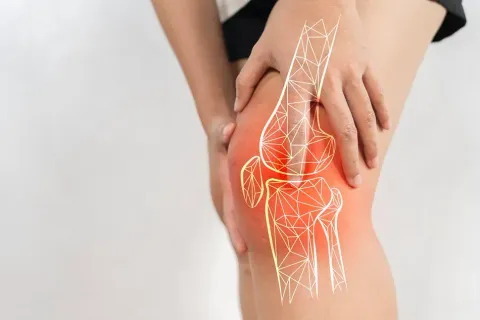
The knee is a complex joint involving bones, cartilage, ligaments, and surrounding tissues. Damage to cartilage can cause pain, stiffness, reduced movement, and difficulty with activities such as walking or climbing stairs.
Common reasons for considering knee replacement include:
Advanced knee arthritis
Significant cartilage damage
Persistent knee pain
Reduced mobility
Joint deformity
Limited response to conservative treatment
Not every person with knee pain requires joint replacement.
Types of Knee Replacement
The two commonly discussed approaches are:
| Procedure | General Description |
| Total Knee Replacement | Replaces damaged surfaces across the major compartments of the knee |
| Partial Knee Replacement | Replaces a damaged portion of the knee while preserving other healthy areas |
The appropriate procedure depends on the location and extent of joint damage and the patient's individual anatomy.
Knee Implant Components
Knee replacement systems generally use several artificial components designed to recreate the movement of the joint.
Materials may include combinations of:
Metal alloys
Medical-grade plastics
Other specialized implant materials
Implant design can vary according to the surgical approach, anatomy, stability requirements, and surgeon preference.
Preparing for Surgery
Before surgery, a healthcare team may evaluate:
Medical history
Current medications
Imaging results
General physical condition
Mobility
Existing medical conditions
Home recovery arrangements
Patients may also receive instructions regarding medications, nutrition, activity, and preparation for rehabilitation.
Following the surgical team's instructions is an important part of preparation.
Recovery After Knee Replacement
Recovery varies between individuals. Early rehabilitation commonly focuses on restoring safe movement and gradually improving strength.
Recovery may involve:
Walking with appropriate support
Physical therapy
Gentle range-of-motion exercises
Progressive strengthening
Swelling management
Gradual return to everyday activities
The timeline can vary based on the procedure, health status, rehabilitation progress, and other factors.
Physical Therapy and Rehabilitation
Rehabilitation plays an important role after knee replacement.
A rehabilitation program may focus on:
Knee movement
Leg strength
Balance
Walking mechanics
Functional activities
Gradual activity progression
Patients should follow the individualized rehabilitation plan provided by their healthcare team.
Potential Risks and Considerations
As with other major surgical procedures, knee replacement can involve potential risks. These may include:
Infection
Blood clots
Bleeding
Stiffness
Implant-related problems
Nerve or blood-vessel complications
Persistent pain
The likelihood of complications varies according to individual circumstances. Healthcare professionals can explain the specific risks before surgery.
Frequently Asked Questions
When is knee replacement considered?
It may be considered when significant knee damage causes persistent pain or functional limitations and other treatment approaches have not provided sufficient relief.
What is the difference between total and partial knee replacement?
Total replacement addresses damaged surfaces across the major knee compartments, while partial replacement addresses a more limited area when appropriate.
How long does knee replacement recovery take?
Recovery varies considerably. Many people gradually increase walking and daily activities during the early recovery period, while strength and function can continue improving over subsequent months.
Is physical therapy necessary after knee replacement?
Rehabilitation is commonly an important part of recovery because it helps restore movement, strength, balance, and functional ability.
How long can a knee implant last?
Implant longevity varies based on factors such as implant type, activity, body weight, surgical factors, and individual use. Modern implants can provide long-term function, but no implant is guaranteed to last indefinitely.
Conclusion
Knee replacement surgery can help address severe joint damage and improve mobility for appropriately selected patients. Total and partial replacement procedures offer different approaches, while implant design depends on anatomy and clinical considerations.
Successful recovery generally involves appropriate postoperative care, rehabilitation, gradual activity progression, and regular communication with the healthcare team.
Disclaimer
This article is provided for general educational and informational purposes only and is not medical advice, diagnosis, or treatment. Knee replacement decisions should be made with a qualified orthopedic professional after an appropriate clinical evaluation. Surgical techniques, implant choices, recovery timelines, and potential risks vary between individuals. Readers should seek personalized medical guidance for their specific circumstances.

Related Post...

Back Pain Treatment Guide: Therapy Option, Pain Management, Specialist Care, and Recovery Planning
Updated: October 08, 2026
Read More