Improve Customer Support with Intelligent Conversational AI Solutions
Customer support plays an important role in how people interact with businesses. Customers often need clear answers about products, account access, payments, technical problems, or order updates.
When answers take too long or information is difficult to find, the experience can become frustrating.
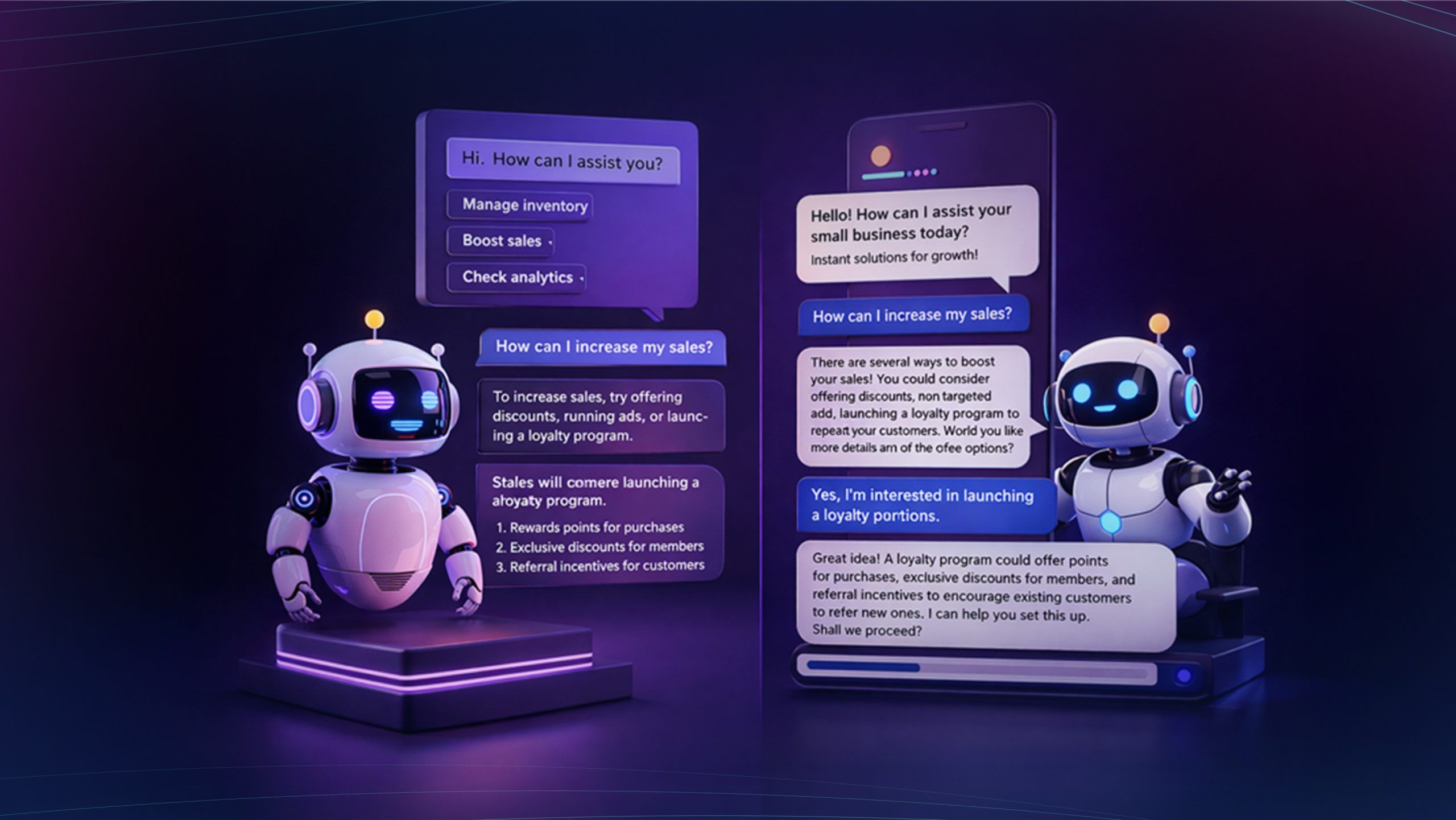
Artificial intelligence is changing how organizations manage these interactions. A Conversational AI Platform allows people to communicate with computer systems through natural language, using text or voice. These systems can answer common questions, guide users through routine processes, and direct complicated requests to human representatives.
Unlike traditional automated menus that depend on fixed options, conversational AI can interpret different ways of expressing a question. Its capabilities depend on the underlying technology, available information, and how the system is configured.
Understanding how these platforms work helps organizations decide where automation is appropriate and where human assistance remains necessary. This guide explores their main features, practical applications, implementation steps, benefits, and limitations.
What Is a Conversational AI Platform?
A Conversational AI Platform is a technology system designed to understand and respond to human language. It may use natural language processing, machine learning, language models, and connections to business applications to manage conversations.
Customers can interact with these systems through website chat windows, mobile applications, messaging channels, or voice interfaces. Depending on its design, a platform may answer questions, collect information, explain procedures, or help users complete selected tasks.
For example, a customer asking about a delayed delivery may receive an explanation based on current tracking information. Someone who cannot access an account may receive troubleshooting instructions or be directed to an authorized representative.
The platform's usefulness depends on the quality of its information and its ability to access relevant systems securely. It should also recognize when a request falls outside its capabilities instead of generating an uncertain answer.
How Conversational AI Works
Several technologies work together to make a conversational system useful.
1. Understanding Natural Language
Natural language processing helps a system identify the meaning and purpose of a customer's message. People rarely phrase questions in exactly the same way, even when they need the same information.
For instance, “Where is my package?” and “Can you check my delivery status?” express similar intentions. A conversational system attempts to recognize that connection and identify the information needed to respond.
The quality of this understanding depends on language coverage, context, system design, and the complexity of the request.
2. Generating Relevant Responses
After interpreting a message, the system determines an appropriate response. Some platforms use predefined answers and decision rules, while others use language models to produce responses based on supplied information.
A well-designed system should rely on approved knowledge sources when answering questions about policies, account procedures, or technical instructions. It should avoid inventing details when the required information is missing.
3. Connecting to Business Systems
A conversational platform may connect with customer relationship management software, order databases, appointment systems, or account management tools.
These connections allow it to retrieve relevant information or perform approved actions. For example, a system might display an order status after verifying the customer's identity.
Access permissions are important. The platform should only retrieve or change information that the user and the system are authorized to access.
4. Learning from Interaction Data
Some systems use interaction records to identify recurring questions, common misunderstandings, and gaps in available information. Teams can review these patterns to improve response accuracy and conversation design.
However, reviewing conversation data requires appropriate privacy controls. Personal information should be handled according to applicable laws, internal policies, and the organization's data retention practices.
Key Features of Conversational AI Solutions
The features available vary by platform, but several capabilities are commonly used in customer support.
Automated Responses to Common Questions
Conversational AI can answer repeated questions about account procedures, operating hours, delivery updates, documentation, and frequently encountered technical issues.
This can help customers find information without waiting for a representative. The answers should come from maintained knowledge sources and should be reviewed whenever relevant policies change.
Multilingual Communication
Some platforms can communicate in multiple languages. This may help organizations support customers who prefer different languages or live in different regions.
Language support should be evaluated carefully. Translation quality, local expressions, cultural differences, and technical vocabulary can affect how accurately a system understands a question.
Context-Aware Conversations
Context awareness allows a platform to use information from earlier messages within the same conversation. Customers may not need to repeat details every time they ask a follow-up question.
For example, after explaining a billing issue, the system may understand that the customer is asking about the same account when they request further clarification.
Context handling should remain limited to relevant information and should not expose details from unrelated conversations.
Human Handoff
Not every problem can be resolved through automation. A customer may need help with a disputed payment, a sensitive account issue, or a situation requiring individual judgment.
A platform should recognize these situations and transfer the conversation to an appropriate human representative when necessary. It should provide a useful summary of the discussion so customers do not have to explain everything again.
Practical Applications Across Industries
Conversational AI can support different customer interactions depending on the organization's needs.
Retail and online shopping: Systems can answer questions about order progress, product specifications, returns, and account procedures. When information is incomplete, they can direct customers to the appropriate team.
Banking and financial technology: Conversational tools may explain general account procedures, help users navigate digital banking features, and provide information about transaction status after appropriate verification. Sensitive financial actions require strong authentication and careful controls.
Healthcare administration: Platforms can help people locate clinic information, understand appointment procedures, and receive appointment reminders. They should not replace qualified medical professionals when diagnosis, treatment decisions, or urgent clinical judgment is required.
Telecommunications: Automated conversations can guide users through connectivity checks, explain account information, and identify common technical issues before escalation.
Travel and hospitality: Systems can explain booking procedures, provide itinerary information, and help users understand changes to travel arrangements when connected to reliable records.
These examples show that conversational AI is most useful when the task is clearly defined and the system has access to accurate information.
Benefits for Customers and Support Teams
A well-planned conversational system can make routine interactions easier. Customers may receive answers outside normal operating hours, find information through familiar language, and complete simple tasks without navigating several separate pages.
Support teams can also benefit from reduced repetition. When automation handles suitable routine questions, human representatives may have more time to investigate complicated cases and provide individual attention.
Conversation records can reveal common sources of confusion. If many users ask about the same policy or repeatedly struggle with a particular process, the organization can improve its documentation or revise the customer journey.
These benefits are not automatic. They depend on response accuracy, system availability, appropriate escalation, and regular maintenance. A poorly configured system may create additional work if customers repeatedly receive irrelevant answers or cannot reach a person when needed.
How to Choose and Implement a Platform
Choosing a Conversational AI Platform requires a clear understanding of the problems the organization wants to address.
First, identify recurring customer questions and determine which ones can be answered using reliable information. Begin with a limited set of low-risk tasks rather than automating every interaction at once.
Next, review the platform's language capabilities, integration options, reporting features, access controls, and compatibility with existing systems. Organizations should also examine how conversation data is stored, processed, and protected.
Prepare a knowledge base containing accurate answers, instructions, and relevant policies. Assign responsibility for reviewing this information so outdated guidance does not remain in circulation.
Before launch, test the system with realistic questions, spelling variations, incomplete requests, and unexpected situations. Include scenarios in which the correct response is to ask for clarification or transfer the conversation to a human representative.
After deployment, measure practical indicators such as response accuracy, successful resolution rates, escalation frequency, customer feedback, and repeat contacts. These measurements help teams understand whether the platform is genuinely improving the experience.
Challenges, Privacy, and Responsible Use
Conversational AI has limitations that organizations need to address. Language models can misunderstand requests or produce plausible but inaccurate responses. Systems may also struggle with unusual wording, multiple issues in one message, or questions that require current information.
Privacy is another important consideration. Conversations may contain names, account details, financial information, or other sensitive data. Organizations should limit unnecessary collection, restrict access, apply suitable security measures, and explain relevant data practices clearly.
Human oversight remains essential, particularly when decisions affect financial matters, personal information, healthcare, or access to important resources. Customers should have a clear way to request human assistance.
Organizations should also evaluate accessibility, language coverage, and potential bias. Regular testing helps identify whether different groups of users receive consistent and understandable responses.
Conclusion
A Conversational AI Platform can help organizations manage routine customer interactions, provide information through natural language, and connect users with relevant digital systems. Features such as multilingual communication, context awareness, automated responses, and human handoff can support a more organized customer support process.
Successful implementation requires more than selecting technology. Organizations need accurate knowledge sources, secure integrations, realistic testing, clear escalation rules, and ongoing performance reviews.
When automation is used for suitable tasks and human assistance remains accessible, conversational AI can become a practical part of a customer support strategy while maintaining attention to accuracy, privacy, and individual needs.

Related Post...

Explore How Online BBA Marketing Programs Build Strong Business Knowledge
Updated: October 15, 2026
Read More

Semiconductor Companies: Discover Innovations Shaping Modern Electronics
Updated: October 20, 2026
Read More