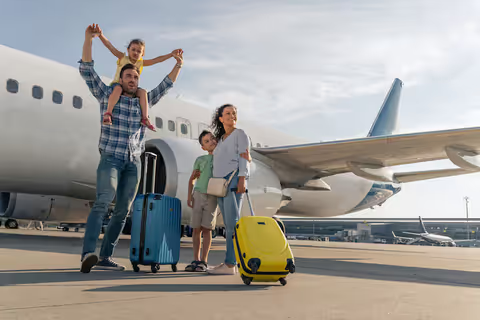
How to Plan a Memorable Trip on Any Budget
Travel is an important part of modern life, allowing people to explore different destinations, experience new cultures, understand local traditions, and take a break from everyday routines. Whether someone is planning a domestic holiday, an international journey, a family vacation, or a solo trip, proper preparation can make the experience more comfortable and organized.
However, planning a journey often involves several questions about destinations, transportation, accommodation, travel documents, budgeting, safety, and seasonal conditions. Understanding these details can help travelers make informed decisions.
This FAQ guide covers common travel questions and provides practical information for beginners and experienced travelers.
Frequently Asked Questions About Travel
1. What Is Travel and Why Is It Important?
Travel refers to moving from one location to another for purposes such as tourism, education, business, recreation, or visiting family and friends.
It is important because it helps people understand different cultures, discover geographical locations, experience local traditions, and develop new perspectives. Travel can also provide opportunities to learn about history, architecture, food, languages, and natural environments.
2. What Are the Different Types of Travel?
There are several types of travel, depending on the purpose and preferences of the traveler.
Leisure Travel: Journeys planned for relaxation, sightseeing, and recreation.
Adventure Travel: Activities such as hiking, camping, trekking, and outdoor exploration.
Cultural Travel: Visiting historical places, museums, cultural festivals, and heritage locations.
Business Travel: Journeys related to professional meetings, conferences, and corporate activities.
Solo Travel: Exploring destinations independently.
Family Travel: Trips organized for family members with different age groups and interests.
Educational Travel: Journeys designed around learning, research, and educational experiences.
Understanding these categories helps travelers select destinations and activities that match their interests.
3. How Should Beginners Plan a Trip?
Beginners can organize a trip by following a few basic steps.
Decide the destination and purpose of the journey.
Select suitable travel dates.
Research transportation options.
Check accommodation availability.
Prepare an estimated travel budget.
Review passport, visa, and identification requirements.
Create a flexible itinerary.
Prepare essential documents and personal belongings.
Planning these details in advance can reduce confusion and help travelers manage their time effectively.
4. How Can Travelers Choose the Right Destination?
Choosing a destination depends on personal interests, available time, seasonal conditions, and travel requirements.
For example, people interested in history may prefer destinations with museums, monuments, and heritage sites. Nature enthusiasts may explore mountains, beaches, forests, or national parks.
Travelers should also consider:
Weather conditions during the planned dates.
Transportation accessibility.
Local accommodation options.
Cultural customs and traditions.
Safety information.
Entry requirements for international destinations.
Researching these factors helps create realistic travel expectations.
5. What Documents Are Required for International Travel?
International travel generally requires several important documents, although requirements vary by destination and nationality.
Common documents include:
A valid passport.
An appropriate visa, where required.
Flight tickets or travel reservations.
Accommodation details, when requested.
Travel insurance documentation.
Relevant vaccination or health documents, if applicable.
Additional immigration or customs declarations.
Travelers should check official government immigration information before departure because entry requirements can change.
6. What Is the Difference Between Domestic and International Travel?
Domestic travel involves moving between locations within the same country. International travel involves crossing national borders.
Domestic journeys generally involve fewer immigration formalities, while international journeys may require passports, visas, customs declarations, and additional documentation.
Both types of travel require planning, transportation arrangements, and awareness of local regulations.
7. How Can Travelers Prepare a Travel Budget?
A travel budget helps people estimate the financial requirements of a journey.
Important categories include:
Transportation and flight expenses.
Accommodation.
Food and beverages.
Local transportation.
Sightseeing and recreational activities.
Travel insurance.
Shopping and personal expenses.
Emergency funds.
Travelers should research expected expenses before departure and keep additional funds for unexpected situations. Comparing different transportation and accommodation options can also help with financial planning.
8. What Is the Best Time to Travel?
The appropriate time to travel depends on the destination, climate, activities, and personal preferences.
Some destinations are more suitable during cooler months, while others are popular during summer or specific festival seasons.
Before choosing travel dates, consider:
Seasonal weather patterns.
Rainfall and temperature.
Local festivals and public holidays.
Tourist activity levels.
Transportation schedules.
Seasonal restrictions at attractions.
Checking weather forecasts and destination information can help travelers prepare for changing conditions.
9. How Can Travelers Stay Safe During a Trip?
Travel safety requires awareness and preparation. Travelers should understand local regulations, protect their belongings, and remain informed about their surroundings.
Some useful travel safety practices include:
Keep passports and important documents secure.
Save emergency contact information.
Avoid unfamiliar or restricted areas without proper guidance.
Use recognized transportation options.
Follow local laws and cultural practices.
Keep family members informed about travel plans.
Monitor official weather and safety updates.
For international journeys, travelers should also know the contact details of their country's embassy or consulate.
10. What Should Travelers Pack for a Journey?
Packing requirements depend on the destination, trip duration, climate, and planned activities.
Common travel essentials include:
Clothing suitable for the weather.
Comfortable footwear.
Personal hygiene products.
Prescription medications, where applicable.
Mobile phone and charging accessories.
Travel documents.
Identification cards.
Reusable water bottle.
Basic first-aid supplies.
A packing checklist can help prevent important items from being forgotten.
11. What Is Travel Insurance and Why Does It Matter?
Travel insurance is a financial protection arrangement that may cover certain unexpected events during a journey, depending on the policy.
Coverage may include medical emergencies, trip cancellations, travel delays, lost baggage, and other specified incidents.
Before selecting a policy, travelers should review coverage limits, exclusions, claim procedures, geographical restrictions, and applicable conditions.
Travel insurance requirements and available coverage differ between countries and insurance providers.
12. How Can Travelers Find Suitable Accommodation?
Accommodation choices depend on location, travel duration, personal preferences, and available facilities.
Common accommodation categories include:
Hotels and resorts.
Guesthouses.
Hostels.
Holiday apartments.
Homestays.
Vacation rentals.
Travelers should review location details, cancellation policies, guest feedback, accessibility, and included facilities before confirming a reservation.
13. What Are Some Important Tips for Solo Travel?
Solo travel allows individuals to explore destinations independently and organize their own schedules.
Some useful suggestions include:
Research the destination before arrival.
Choose accommodation in a suitable location.
Share travel details with a trusted person.
Keep emergency contacts accessible.
Understand local transportation systems.
Respect cultural traditions.
Avoid sharing sensitive personal information with strangers.
Preparing these details can help independent travelers manage unfamiliar environments more confidently.
14. How Can Families Plan Comfortable Vacations?
Family travel requires additional preparation because different family members may have different interests and requirements.
Parents should consider children's ages, transportation duration, accommodation facilities, meal arrangements, and available recreational activities.
A flexible itinerary with sufficient rest periods can make family journeys easier to manage. Families should also carry necessary identification documents, medications, and emergency contact information.
15. How Is Technology Changing the Travel Industry?
Technology has changed how people research, organize, and experience travel.
Digital tools now help travelers explore destinations, compare transportation options, review accommodation information, navigate unfamiliar locations, and manage reservations.
Some common travel technologies include:
Online flight and accommodation platforms.
Digital maps and navigation applications.
Electronic boarding passes.
Translation applications.
Travel planning software.
Digital payment systems.
Artificial intelligence-based travel assistants.
These developments have made travel information more accessible, although travelers should verify important details through official providers.
16. What Should Travelers Know About Sustainable Tourism?
Sustainable tourism focuses on reducing negative environmental and social impacts while supporting local communities and preserving natural and cultural resources.
Travelers can contribute by reducing plastic waste, respecting wildlife, following local environmental regulations, supporting local businesses, and avoiding damage to historical sites.
Responsible travel practices help protect destinations for future generations.
Conclusion
Travel involves more than selecting a destination and arranging transportation. It requires preparation, awareness of local conditions, financial planning, and an understanding of travel regulations.
Whether planning a short domestic journey or an international vacation, travelers can benefit from researching destinations, preparing essential documents, reviewing accommodation options, and understanding safety requirements.
These frequently asked questions provide a useful introduction to travel planning, helping readers understand important considerations before starting their next journey.

Related Post...