Understanding the Importance of Preparation
Coding interviews have become a critical component of the technical hiring process for software engineers and developers worldwide. Whether you're preparing for your first interview or aiming to advance your career, understanding the fundamentals of coding interview preparation is essential. This comprehensive guide explores the strategies, techniques, and best practices that help candidates succeed in technical assessments.

Proper preparation significantly increases your chances of performing well in coding interviews. By dedicating time to study algorithms, practice problem-solving, and refine your communication skills, you build confidence and competence. The process involves more than memorizing solutions—it requires developing a systematic approach to tackling unfamiliar problems under pressure.
Benefits and Common Challenges
The advantages of thorough preparation include increased confidence, faster problem-solving abilities, better communication during interviews, and improved career prospects. However, candidates often face challenges such as time management, understanding complex algorithms, staying motivated during long study periods, and managing anxiety during actual interviews. Recognizing these challenges helps you develop strategies to overcome them.
Core Data Structures to Master
- Arrays and dynamic arrays for efficient data storage and retrieval
- Linked lists for understanding pointer manipulation and memory concepts
- Stacks and queues for solving problems involving order and priority
- Trees and binary search trees for hierarchical data representation
- Graphs for modeling complex relationships and networks
- Hash tables for achieving optimal lookup and insertion times
Essential Algorithm Categories
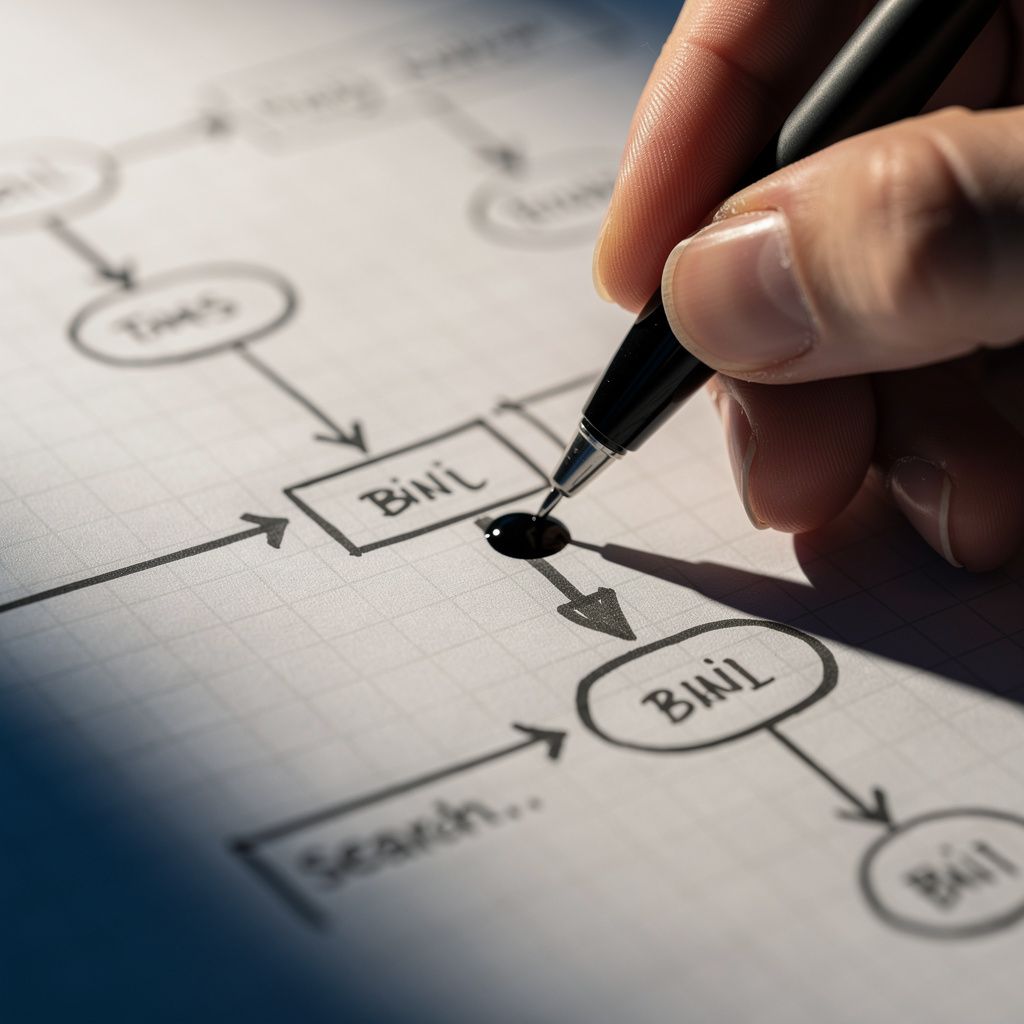
Mastering key algorithm types significantly improves your interview performance. Sorting algorithms like quicksort and mergesort demonstrate algorithmic thinking. Searching techniques including binary search optimize efficiency. Dynamic programming solves optimization problems by breaking them into subproblems. Graph algorithms handle traversal, shortest paths, and connectivity. String manipulation and pattern matching address text processing challenges.
Current Trends in Technical Hiring
Modern coding interviews increasingly emphasize problem-solving approach over memorized solutions. Companies value candidates who communicate their thinking process, ask clarifying questions, and optimize solutions iteratively. System design questions appear more frequently for mid to senior-level positions. Behavioral interviews complement technical assessments to evaluate teamwork, communication, and cultural fit. Remote interviews have normalized virtual whiteboarding and real-time code collaboration tools.
Comparison: Interview Preparation Approaches
| Approach | Time Commitment | Best For | Key Focus |
|---|---|---|---|
| Self-Study | 4-12 weeks | Experienced developers | Algorithms and data structures |
| Online Courses | 6-10 weeks | Structured learners | Comprehensive curriculum coverage |
| Bootcamps | 8-16 weeks | Career changers | Intensive hands-on training |
| Mock Interview Platforms | Ongoing | All levels | Real interview simulation |
| Mentorship Programs | Flexible | Personalized guidance seekers | Customized feedback and coaching |
Key Features of Effective Preparation
Successful coding interview preparation includes several essential components. Practice problem-solving regularly with increasing difficulty levels. Analyze your mistakes and understand why solutions failed. Participate in mock interviews to simulate real conditions. Study company-specific interview patterns and question types. Develop clear communication skills to explain your approach. Learn to optimize solutions for time and space complexity. Build confidence through consistent practice and positive reinforcement.
Popular Resources and Platforms
Various platforms and resources support coding interview preparation. Online judge websites offer thousands of practice problems with immediate feedback. Video tutorials explain complex concepts through visual demonstrations. Interactive coding environments allow hands-on practice without setup overhead. Community forums provide peer support and diverse perspectives. Books focused on interview preparation deliver comprehensive knowledge. Study groups create accountability and collaborative learning opportunities.
Preparation Checklist
- Review fundamental data structures and their operations
- Study algorithm categories and common problem patterns
- Solve at least 50-100 practice problems across difficulty levels
- Conduct 10-15 mock interviews with feedback
- Research target company interview processes and question types
- Practice explaining your thinking process verbally
- Review and optimize solutions for efficiency
- Prepare behavioral questions and STAR method responses
- Practice writing clean, readable code under time pressure
- Get adequate sleep and manage stress before interviews
Practical Tips for Success
Start with fundamentals before attempting advanced problems. Break complex problems into smaller, manageable components. Write pseudocode before implementing actual solutions. Test your code with various edge cases and inputs. Communicate your approach clearly to the interviewer. Ask clarifying questions to understand requirements completely. Optimize solutions iteratively rather than seeking perfect solutions immediately. Review failed attempts to identify learning opportunities. Maintain consistent practice throughout your preparation period.
Frequently Asked Questions
How long should I prepare for a coding interview? Most candidates benefit from 4-8 weeks of focused preparation, though this depends on your experience level and target companies. Early-career developers might need 8-12 weeks, while experienced engineers may prepare in 2-4 weeks.
What's the best way to practice coding problems? Start with easier problems to build confidence and understanding. Gradually increase difficulty. For each problem, understand the solution thoroughly, implement it yourself, and optimize it. Review solutions from others to learn different approaches.
Should I memorize solutions to common problems? Rather than memorizing, focus on understanding problem patterns and solution approaches. This enables you to apply knowledge to new variations and unfamiliar problems you'll encounter in actual interviews.
How important are system design interviews? System design becomes increasingly important for mid-level and senior positions. Even junior candidates benefit from understanding basic design principles, scalability concepts, and architectural thinking.
What should I do if I get stuck during an interview? Talk through your thinking process with the interviewer. Ask for hints or clarification. Discuss different approaches even if you can't implement them immediately. Interviewers value your problem-solving approach and communication more than perfect solutions.
How can I manage interview anxiety? Practice regularly to build confidence. Conduct mock interviews to simulate real conditions. Get adequate sleep before interviews. Remember that interviewers expect candidates to think through problems—they're not looking for perfection but rather your approach and communication.
Conclusion
Mastering coding interviews requires systematic preparation, consistent practice, and strategic focus on core concepts. By understanding fundamental data structures, studying algorithms, solving diverse problems, and conducting mock interviews, you develop the skills and confidence needed for success. Remember that interview preparation is a journey of continuous learning and improvement. Stay committed to your study plan, learn from each attempt, and approach interviews as opportunities to demonstrate your problem-solving abilities and technical knowledge.