How to Build an Effective Sales Pipeline for Business Growth
Building an effective sales pipeline helps businesses manage growth.
Sales Pipeline Process
A well-organized pipeline provides a clear view of potential customers, ongoing conversations, and opportunities that may lead to future revenue. Businesses evaluating sales pipeline software or management solutions should first understand how the process works and what their teams need.
A sales pipeline represents the stages a potential customer moves through before making a purchasing decision. It helps sales teams organize activities, monitor progress, and identify opportunities that require attention. Rather than relying on scattered notes or assumptions, businesses can use a structured system to make decisions based on available information.
What Is a Sales Pipeline?
A sales pipeline is a visual or digital representation of the sales process. It tracks potential customers from their first interaction with a business through discussions, evaluations, negotiations, and final decisions.
Each stage represents a specific step in the customer journey. Businesses can customize these stages according to their products, services, sales cycles, and customer requirements.
Why Businesses Need a Structured Pipeline
Without a defined pipeline, sales activities can become difficult to manage. Important follow-ups may be missed, customer information may become scattered, and managers may struggle to understand which opportunities are progressing.
A structured pipeline helps businesses:
Organize potential customers in one system.
Monitor the progress of individual opportunities.
Identify leads that require follow-up.
Understand sales team performance.
Estimate potential revenue using available information.
Importance of Sales Pipeline Management
Sales pipeline management involves monitoring and improving opportunities throughout the sales process. It helps businesses understand where potential customers are located in the buying journey and what actions may be necessary to move conversations forward.
Effective management also supports better coordination between sales representatives and managers. When everyone follows a consistent process, teams can share information, prioritize activities, and identify problems more easily.
Better Lead Organization
Lead organization is an important part of pipeline development. Businesses often receive inquiries through websites, referrals, social media, events, and other channels.
A consistent lead management process helps record essential details, including contact information, customer interests, communication history, and potential requirements. This information makes it easier for sales representatives to understand each opportunity.
Improved Sales Visibility
A clear pipeline provides managers with an overview of current opportunities. They can review the number of leads at each stage, identify stalled conversations, and understand which activities need attention.
Sales visibility also helps businesses recognize patterns in their processes. For example, if many opportunities remain at the proposal stage, the team may need to review pricing communication, proposal quality, or follow-up practices.
Essential Stages of a Sales Pipeline
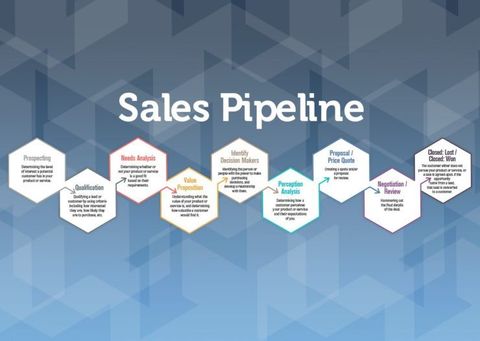
An effective sales pipeline should reflect the actual purchasing journey of a business's customers. Although the stages differ between industries, many businesses use a similar structure.
Lead Generation
The process begins with identifying potential customers. Businesses can generate leads through content marketing, networking, referrals, advertising, industry events, and website inquiries.
The objective is to identify people or organizations that may have an interest in the products or services offered.
Lead Qualification
Not every inquiry represents a suitable opportunity. Qualification helps sales teams understand whether a potential customer has a relevant requirement, an appropriate budget, purchasing authority, and a reasonable timeline.
These factors help representatives prioritize opportunities without making assumptions about customer readiness.
Initial Contact and Needs Assessment
After qualification, sales representatives communicate with potential customers to understand their challenges and expectations. This may involve emails, telephone conversations, meetings, or demonstrations.
Accurate notes from these interactions help teams provide relevant information during later discussions.
Proposal and Negotiation
When a potential customer shows interest, the business may prepare a proposal outlining the product or service, pricing, delivery details, and other relevant conditions.
Negotiation can involve discussing requirements, adjusting project scope, and clarifying terms. Clear communication helps both parties understand the proposed arrangement.
Closing and Follow-Up
The final stage involves recording the customer's decision. Opportunities may be marked as won, lost, or postponed.
Businesses should also maintain appropriate follow-up communication with customers after a completed sale. This can support customer relationships and provide opportunities to understand future requirements.
Choosing the Right Sales Pipeline Software
As businesses grow, managing opportunities manually can become challenging. Sales pipeline management software provides a centralized way to organize customer information, track activities, and monitor sales progress.
However, selecting a platform requires understanding the business's requirements rather than choosing a tool based only on popularity.
Features to Compare
When evaluating CRM sales pipeline solutions, businesses can consider the following features:
Contact management: Stores customer information and interaction history.
Pipeline visualization: Displays opportunities across different sales stages.
Task reminders: Helps representatives manage scheduled follow-ups.
Reporting tools: Provides information about sales activities and performance.
Automation: Supports repetitive tasks such as notifications and record updates.
Integration: Connects the platform with other business applications where supported.
Comparing Common Software Capabilities
| Software capability | Business purpose | Evaluation consideration |
|---|---|---|
| Contact management | Organizes customer records | Data accuracy and accessibility |
| Pipeline tracking | Monitors sales opportunities | Customizable sales stages |
| Reporting | Reviews sales performance | Relevant reporting options |
| Automation | Reduces repetitive activities | Workflow flexibility |
| Integration | Connects business systems | Compatibility with existing tools |
The right sales pipeline management software should match the team's size, workflow, budget, and technical requirements.
Practical Strategies for Building an Effective Pipeline
Technology alone does not create an effective sales process. Businesses also need clear procedures, accurate records, and regular performance reviews.
Define Clear Sales Processes
Every sales stage should have a clear purpose and entry or exit conditions. For example, a lead should move into the qualified stage only after the team has collected enough information to assess its suitability.
Written guidelines help different representatives follow consistent procedures and reduce confusion.
Prioritize Consistent Follow-Ups
Regular communication helps businesses maintain contact with potential customers. Sales teams should record previous interactions, agree on appropriate next steps, and schedule follow-ups based on customer preferences.
A CRM system or sales tracking software can help organize these activities and reduce the likelihood of overlooked conversations.
Review Pipeline Performance
Businesses should monitor indicators that explain how their sales process is working. Useful measurements include:
Number of new leads generated.
Conversion rates between pipeline stages.
Average time spent in each stage.
Number of opportunities won or lost.
Total estimated pipeline value.
These measurements provide context for identifying delays and evaluating process improvements.
Frequently Asked Questions
What Is the Best Sales Pipeline Software for Small Businesses?
The best option depends on business size, budget, team requirements, and existing systems. Small businesses may prioritize simple contact management, pipeline tracking, reminders, and accessible reporting.
How Can Businesses Improve Sales Pipeline Management?
Businesses can improve management by defining clear stages, maintaining accurate customer records, scheduling consistent follow-ups, and reviewing performance regularly.
Is CRM Software Necessary for Building a Sales Pipeline?
CRM software is not essential for every business, particularly those managing a small number of opportunities. However, it can provide better organization and visibility as sales activities increase.
How Often Should a Sales Pipeline Be Reviewed?
Review frequency depends on the sales cycle and business requirements. Many teams benefit from regular weekly reviews, supported by broader monthly performance assessments.
What Makes a Sales Pipeline Effective?
An effective pipeline has clearly defined stages, qualified opportunities, accurate information, consistent follow-ups, and measurable performance indicators.
Conclusion
Building an effective sales pipeline requires a clear process, organized customer information, suitable technology, and regular performance reviews. Businesses that understand each sales stage can manage opportunities more consistently and identify areas that need improvement.

Related Post...